










Zhengzhou Huilin supplies odorless targeted odor control/deodorizer

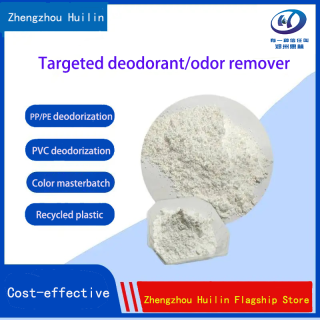
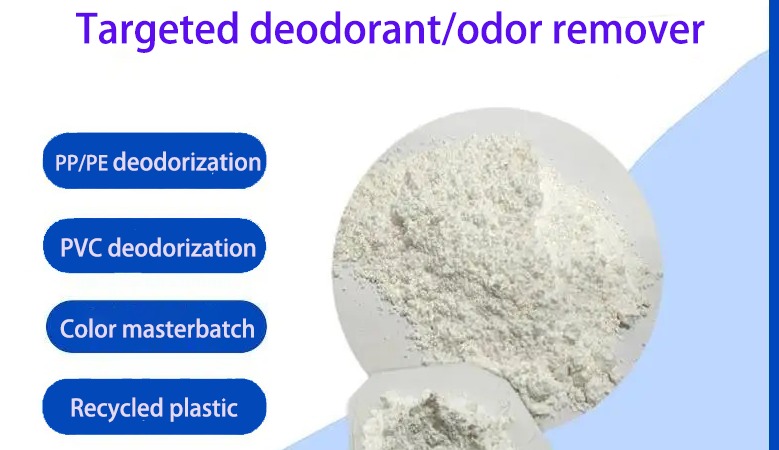
On New Year's Day 2026, the Hui Lin plan will officially launch a tasteless targeted remover, which is not a marketing concept, but a representative of the second generation technology of genuine chemical reaction-type odor removers, focusing more on safety and target specificity maintaining efficient chemical odor removal capabilities. This innovative product is expected to significantly solve the long-standing problem of unpleasant odors that have plagued the rubber and plastic industries.
Core
1. Targeted
· Specifically targets odor molecules with specific chemical groups, such as aldehydes, ketones, amines, thiols, etc.
High selectivity for target molecules, with little impact on other components.
2. Chemical Fixation
· Through chemical reactions such as covalent bonds and coordination bonds, etc, to convert odor molecules into stable compounds.
· Achieve irreversible removal, preventing odor rebound.
3. Odorless
· Both the reaction products and the unreact components are odorless.
· Will not introduce new odors like fragrance-type masking agents.
Three Major Application Technology Breakthroughs
1. Odorless targeted elimination off-gassing odors from rubber and plastic products
This odor remover can precisely target volatile organic compounds generated during foaming, significantly or completely eliminating odors at the source affecting the foaming ratio and performance.
2. Odorless targeted elimination of the odor of rubber products with DCP and S sulfurization systems
For the irritating odors by traditional sulfurization systems, this product, through molecular-level targeted technology, significantly eliminates or completely eliminates odor residues without affecting product performance.
3. Odorless targeted of severe odors in recycled rubber and plastic products
Even for the complex odor components in recycled materials, this odor remover can achieve efficient decomposition, clearing the way for the use of environmentally friendly materials.
Industry Significance
This technological breakthrough will significantly enhance the user experience of rubber and plastic products, especially in fields with strict odor requirements such automotive interiors, household items, and medical devices. At the same time, it also provides technical support for the recycling of recycled materials, promoting the industry towards green and environmental development.The Hui Lin scientific research team stated that the product has passed multiple strict tests and will officially be launched to the global market on New Year's Day 2026 bringing a new solution to the industry.