



















Toray unveils world’s first 160°C-resistant BOPP film

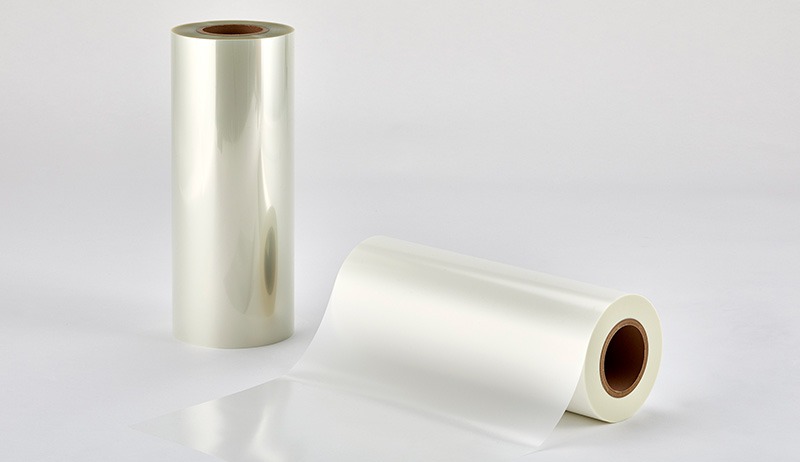
Toray Industries has developed a new type of TORAYFAN biaxially-oriented polypropylene (BOPP) film that is the world’s first with a heat resistance near to that of a kind of engineering plastics. The company has started shipping samples.
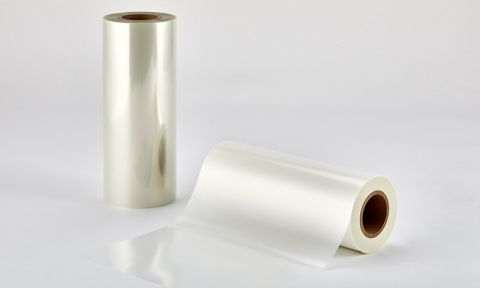
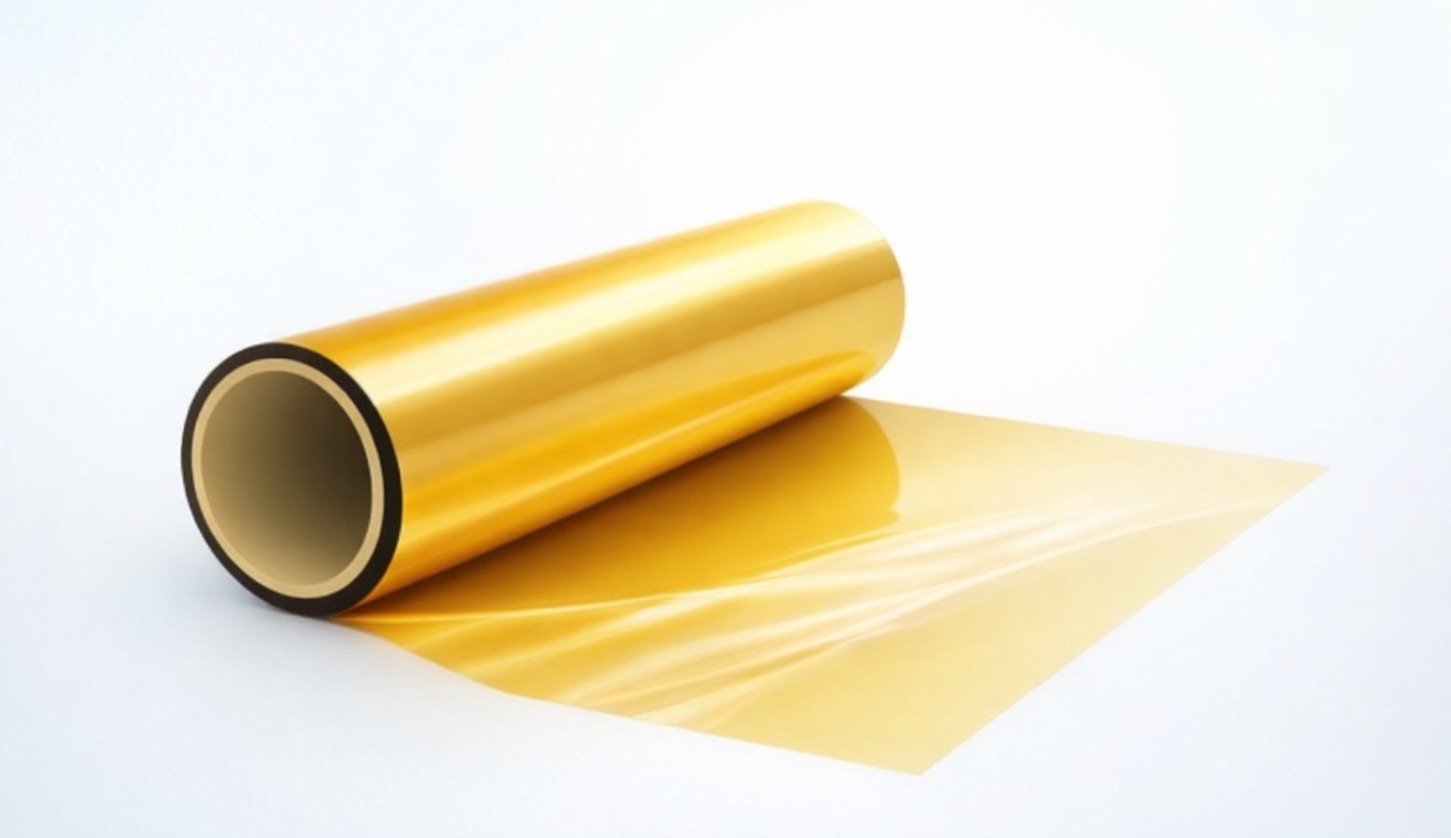
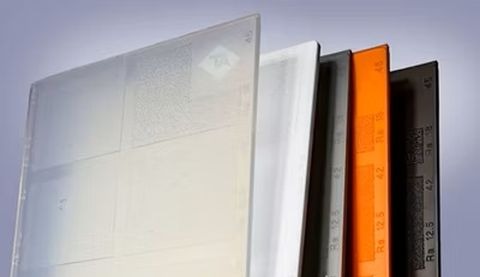
Toray has developed new TORAYFAN BOPP film with high heat resistance. (Source: Toray)
High heat resistance
The new TORAYFAN stemmed from reinforcing Toray’s high-heat-resistance technology for BOPP film and integrating it with a new high-heat-resistance surface technology employing a high-heat-resistance polyolefin resin.
This reduced heat distortion to about one-tenth that of standard BOPP film at 160°C. It also lowered wettability, which should deliver excellent release properties. The thermal dimensional stability and release properties are excellent even at an ambient temperature of 160°C.
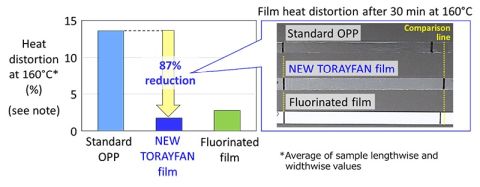
TORAYFAN BOPP film’s film heat distortions at 160°C. (Source: Toray)
On top of the thermal dimensional stability and release properties, this new film is uncoated and absorbs little moisture, making it suitable for demanding applications where even thermal wrinkles or slight contamination from release components during processing, such as thermal lamination, is unacceptable.
It also suits applications that cannot tolerate moisture in the film, such as processing battery components in dry rooms or in vacuum equipment used for vapor deposition and sputtering.
Wide range of applications
The new BOPP film is ideal as a high-heat-resistant release film in IC substrate, carbon fiber-reinforced plastic prepreg, and other molding processes, where fluorinated films are widely used today. Toray will continue technical development to meet customer application needs.
BOPP film is also widely used in packaging because it resists moisture and stays clear. It is also used as an industrial material in their processes because it releases cleanly and emits little gas. Manufacturing and processing steps are diversifying as electronic devices and lightweight mobility materials evolve, so BOPP film must withstand higher temperatures.