





















KRAIBURG TPE's medical-grade materials for otoscope device components

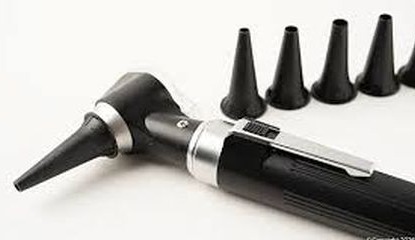
KRAIBURG TPE offers high-performance THERMOLAST H healthcare TPE materials for medical visualization technologies, including otoscope applications.
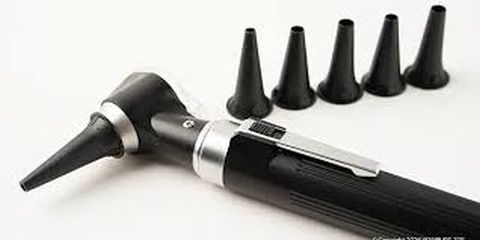
KRAIBURG TPE’s THERMOLAST H is ideal for medical visualization technologies, including otoscope applications.
These otoscope materials are ideal for functional and user-facing components, including sealing elements, cable interfaces, buttons, soft-touch grips, housings, and flexible connections, enhancing device durability and user comfort.
Multi-component processing and integration
THERMOLAST H healthcare series demonstrates excellent adhesion to polypropylene (PP) and polyethylene (PE). This delivers efficient multi-component injection molding and direct integration of soft-touch elements onto rigid housings.
As TPE solutions for otoscope devices, this approach improves ergonomics, enhances sealing performance, and reduces assembly steps, thus promoting cost-efficient manufacturing.
Durability for long-term use
THERMOLAST H compounds assure dimensional stability, elasticity, and surface integrity in otoscope components that undergo repeated mechanical stress, cleaning, and sterilization. An optimized compression set supports long-term performance of seals, gaskets, and flexible interfaces, even after repeated use and sterilization cycles.
Color options and tactile performance
THERMOLAST H series allows colorable and translucent formulations. These options promote visual differentiation of controls and functional zones on otoscope devices, improving usability and clarity during operation. Meanwhile, the smooth, soft touch surface the compounds provide improves grip and handling comfort during extended examinations, enabling consistent device control.
Sterilization compatibility and safety
THERMOLAST H materials are compatible with common sterilization methods, including autoclave sterilization at 121°C and ethylene oxide (EtO). The compounds are free from animal-derived ingredients, heavy metals, and other harmful substances, thereby ensuring safe use in reusable otoscope devices and accessories intended for close patient and clinician contact.