







Search History
Clear History
{{item.search_key}}
Hot Searches
Change
{{item.name}}
{{item.english_name}}
Subscribe eNews
Once A Week Once Every Two Weeks
{{sum}}
Log in Register

Applications

Market report: Three key application areas boosting upgrades in plastic packaging

Toray Toraypearl spherical PA12 powder for 3D printing

Polyplastics, Colgate-Palmolive and PTI unveil new technology for lightweight HDPE bottles

Products

Analysis: US-Israel strike on Iran creates uncertainty for China's chemical imports

WITTMANN vertical machine supports efficient automation for complex metal-plastic assemblies

HASCO’s exclusive Push-Lok System and expanded Cooling System Ø5

Activities

  • CHINAPLAS 2026: Government blueprint for emerging industries driving new plastics innovation

  • Fakuma to celebrate 30th anniversary edition in October 2026

  • Italy pavilion at Plast Eurasia proves its rising presence in Turkish market

Pictorial

News Videos

Automatic 5L 120mm neck PET jar blowing machine

YZ-ECO2000-4 6000BPH full automatic 4cavity bottle blowing machine

Opening Ceremony of Bechton's New Factory

Conference Videos

【Mandarin session: Webinar playback】SACMI: Your Digitalized Manufacturing, Your Future Today

[Live Replay] LK Group: Smart Manufacturing, New Chapters in Southeast Asia: High-Efficiency Solutions in PET Preform & Thin-Wall Packaging

[Live Replay] Fu Chun Shin (FCS): Data-Driven Digital Rebirth and Intelligent Future of Injection Molding

Corporate/Product Videos

QINGDAO BOUNI introduction video

PVC-O160-400 Production Line Trial Run Video

PVC-O630 production line testing

Home > News > Packaging

Market report: Three key application areas boosting upgrades in plastic packaging

Source:Adsale Plastics Network Date :2026-03-06 Editor :VC
Copyright: This article was originally written/edited by Adsale Plastics Network (AdsaleCPRJ.com), republishing and excerpting are not allowed without permission. For any copyright infringement, we will pursue legal liability in accordance with the law.

Plastic packaging is one of the most fundamental and widely used materials in modern life, playing a crucial role in key consumer sectors such as food, personal care, and e-commerce. From shelves to end-users, and from cold chains to express delivery, plastic packaging pervades the entire consumption chain.


The global plastic packaging market is expected to reach US$493.42 billion by 2025 and further grow to US$579.95 billion by 2030, according to market analysis data from Mordor Intelligence. As demand continues to rise, environmental requirements for reducing plastic use, minimizing waste, and increasing recyclability are being swiftly adopted from policy into the industry.


The upgrade of plastic packaging is no longer just about selecting materials; it has evolved into a challenge that involves the coordinated development of material choices, processing technologies, and equipment capabilities. The three main application areas—food, personal care, and e-commerce—are becoming key drivers of technological advancement in the industry.


Food packaging: Growing demand for high barrier and green materials


Food safety has always been a top priority for consumers. With increasing awareness of health and environmental issues, the focus on food packaging is shifting from mere usability to concerns about freshness, safety, and sustainability.


Plastic materials has been dominating food packaging, with modified atmosphere packaging (MAP) and high-barrier multi-layer structures emerging as industry standards for freshness preservation.


MAP significantly inhibits oxidation and microbial growth by adjusting the proportions of oxygen, carbon dioxide, and nitrogen within the packaging, making it widely used in meat products, fresh produce, and ready-to-eat meals. Meanwhile, multi-layer co-extruded structures made from materials like EVOH, PA, and PE provide additional barriers against oxygen and moisture, further extending shelf life.


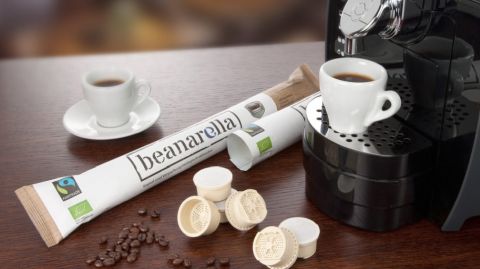
It is also noteworthy that the use of bioplastics in food packaging is on the rise. BASF's ecovio® bioplastic is a fully compostable polymer made from the biodegradable BASF polymer ecoflex® and PLA. It has been utilized to produce certified compostable coffee capsules and odor-blocking outer packaging. Additionally, the PHA injection molding materials developed by Bluepha, a well-known Chinese synthetic biotech company, are designed for producing eco-friendly utensils and food containers, addressing the packaging market's demand for bioplastics.

BASF_480_480.jpg

BASF’s ecovio® bioplastic has been used for compostable coffee capsules and odor-blocking outer packaging. (Photo: BASF)


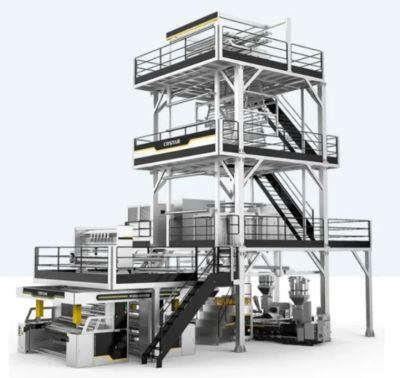
The performance of materials greatly depends on the synergy between equipment and processes. In the production of high-barrier films, co-extrusion production lines can achieve stable multi-layer co-extrusion through advanced automation. The nine-layer co-extrusion blown film machine from Corstar can simultaneously process various materials, producing ultra-high-performance, multifunctional composite films suitable for high-end food and pharmaceutical packaging.

Corstar_400.jpg

The nine-layer co-extrusion functional blown film machine from Corstar produces high-performance films for packaging. (Photo: Guangdong Corstar Machinery Technology)


In the field of food packaging recycling, rPET produced on the Starlinger recoSTAR recycling line for food contact applications has been recognized by multiple international brands and authoritative organizations.


These examples underscore how the synergy between material innovation and equipment upgrade enhances safety, freshness preservation, and sustainability in food packaging.


Personal care packaging: Balancing sustainability, aesthetics, and personalization


From food to personal care products, the design of plastic packaging has evolved from being merely functional to also prioritizing aesthetics and personalization. In the highly competitive beauty market, packaging has become a crucial tool for brand differentiation. The rise of social media has made visually appealing packaging essential for attracting consumer attention, while environmental regulations and requirements for recycled materials are compelling companies to integrate sustainability into their packaging designs.


The EU’s Packaging and Packaging Waste Regulation (PPWR) mandates that, starting in 2030, plastic packaging must contain a minimum percentage of recycled content and be recyclable or reusable. Multinational personal care product companies like Unilever and L’Oréal have set clear, phased targets to continually increase the use of post-consumer recycled (PCR) materials in their packaging.


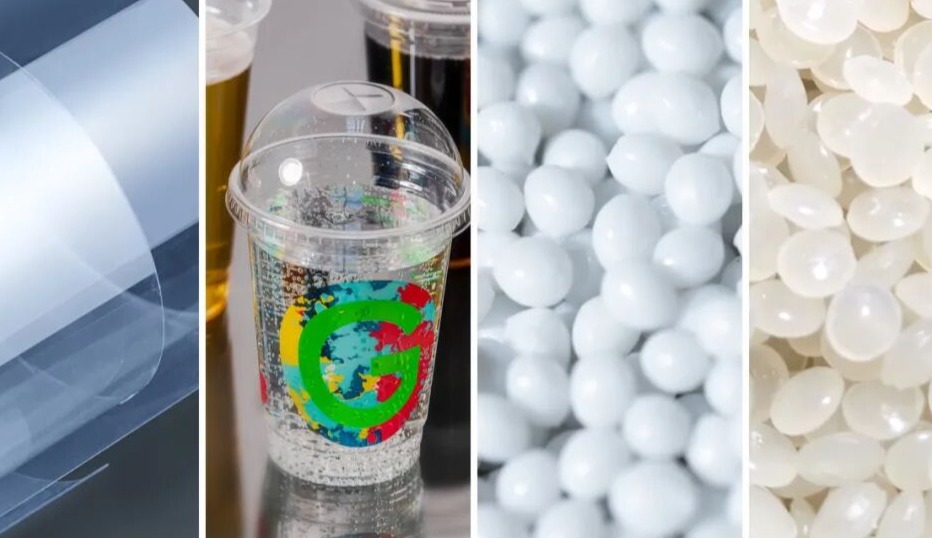
In terms of PCR material applications, Da Fon Environmental Technology's recycling processes have received FDA approval. Their food-grade PCR-HDPE and PCR-PP meet the necessary requirements for recycled content in packaging. Re-mall's recycled PP boasts high purity, safety, and transparency, along with low odor and traceable carbon footprints, making it suitable for food contact, personal care, and high-clarity container packaging. Furthermore, LyondellBasell's CirculenRecover materials can contain up to 100% PCR content and have already been used in personal care packaging.
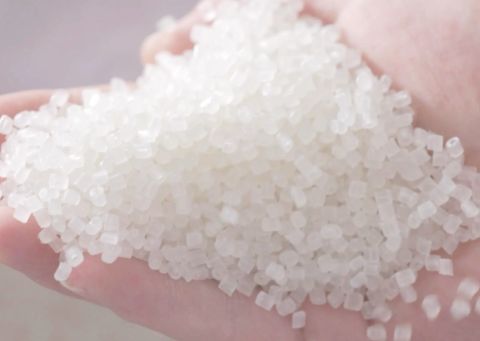

ReMall_480.jpg

Re-mall's recycled PP is characterized by its high purity, transparency, and low odor, making it suitable for personal care packaging. (Photo: Shanghai Re-Mall Environmental New Material)


At the same time, personal care packaging is evolving towards smaller batch sizes and multiple variations, driving innovations in printing and lamination processes. HP Indigo digital printing technology streamlines the printing workflow, allowing brands to produce on demand and quickly create personalized limited-edition packaging. This approach not only reduces material waste but also shortens the overall delivery cycle.


HP_Indigo_480.jpg

HP Indigo digital printing technology empowers brands to produce on demand and quickly create personalized packaging. (Photo: HP)


Sinomech’s intelligent solventless lamination machine incorporates advanced design features and full-servo control, allowing for ultra-high-speed operations. It can also make rapid speed adjustments, providing solutions for laminating film materials in the flexible packaging industry.


E-commerce packaging: Lightweighting and optimizing recycling efficiency


As consumer behavior increasingly shifts from physical shelves to online platforms, the requirements for packaging are evolving as well. According to data from the State Post Bureau of China, the volume of express deliveries has exceeded 174.5 billion packages, increasing both packaging usage and recycling pressures. To lower costs and carbon emissions, the industry is optimizing material structures and enhancing production efficiencies.


The technological directions for e-commerce packaging are becoming more defined. On one hand, raising the proportion of PCR material fosters a circular economy; on the other hand, adopting mono-material designs, reducing layers, and implementing lightweight molding processes improve recycling and cost efficiency downstream. Companies like JD Logistics and Cainiao Network are actively pursuing these mono-material designs and layer reduction strategies, reflecting a strong consensus within the industry.


Currently, technologies such as film downgauging, thin-wall injection molding, and microfoaming are at the forefront of lightweight packaging solutions. The latest advancements in biaxially oriented films enable material modifications that reduce thickness while maintaining essential mechanical strength, making them suitable for high-performance e-commerce packaging.


High-speed thin-wall injection molding machines from manufacturers like Sumitomo (SHI) Demag, Fu Chun Shin, and Powerjet Plastic Machinery efficiently lower material usage per packaging unit while ensuring structural integrity.
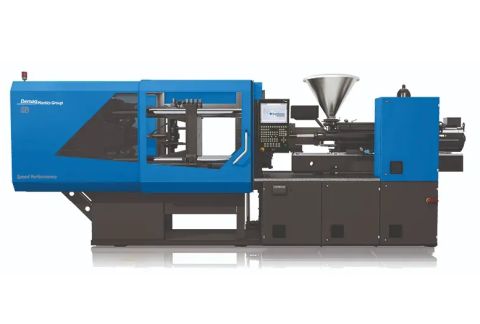

Demag_480.jpg

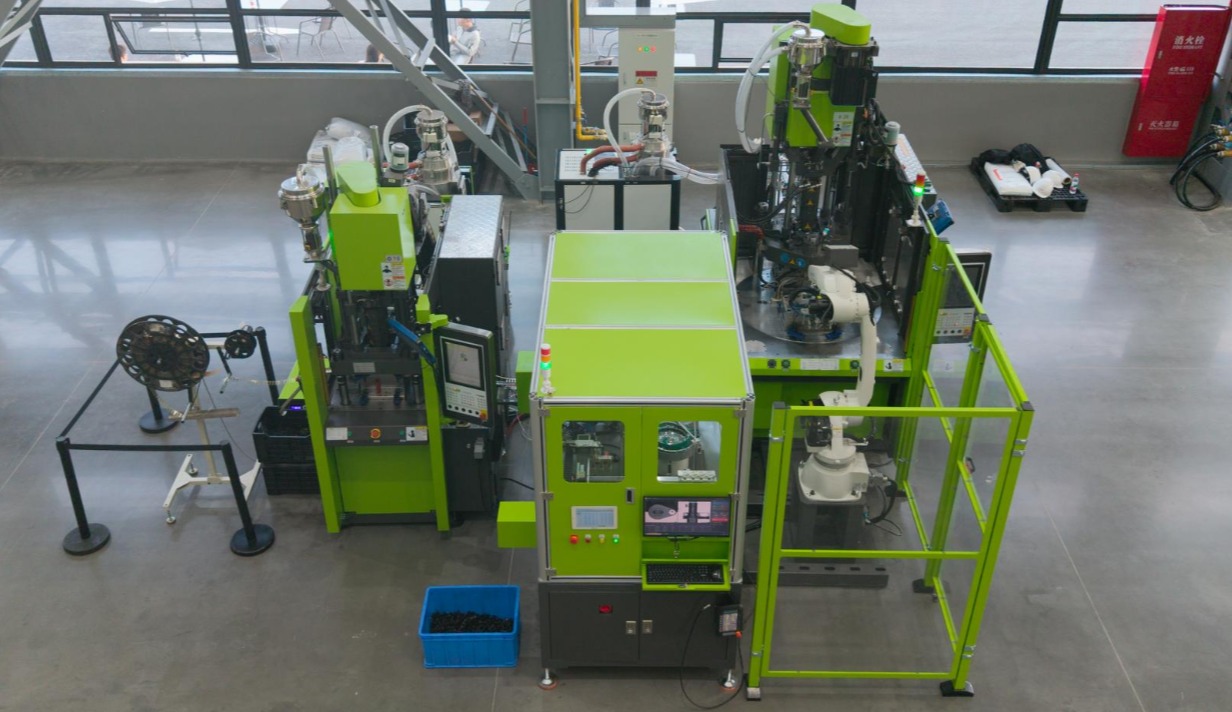
Sumitomo (SHI) Demag’s high-speed injection molding machine for producing thin-walled containers, bottle caps, and closures. (Photo: Demag Plastics Machinery (Ningbo) Co., Ltd.)


The requirements for production processes in e-commerce packaging are evolving. With the rise of live-streaming e-commerce, brand-owned operations, and regional warehousing and distribution models, order structures are increasingly characterized by smaller batches, faster turnaround times, and greater diversity. This shift places higher demands on the flexibility of packaging equipment.


Guangdong Taisen Intelligent Equipment’s TS39-16c Automatic Bottle Bagging Machine can seamlessly switch between different bottle types, making it particularly well-suited for small-batch, multi-order production. This machine enhances packaging efficiency while reducing costs associated with excessive packaging and frequent line changes.


Upgrading e-commerce packaging is no longer just about material innovation; in high-turnover, large-scale applications, both production efficiency and sustainability are now integral to the technical decision-making process.


Synergy between material performance and processing technology


Amid the diverse objectives for plastic packaging, merely substituting materials is no longer enough to meet the higher demands. Effective upgrades must be built on a synergy between material performance, structural design, processing technology, and equipment stability.


From high-barrier food packaging to design-oriented personal care products and fast-paced e-commerce logistics, each application has its own emphasis, yet the demand for robust production capabilities remains consistently high. In the future, companies that can seamlessly integrate across materials and processes will gain a significant competitive edge in the evolving packaging industry.


 Like 丨  {{details_info.likes_count}}
Food Packaging
eCommerce packaging
Packaging design
Cosmetic
 DONGGUAN DEHUA PRECISION MOLD CO., LTD      
 HENAN TENGYUE MACHINERY TECHNOLOGY CO.,LTD.      
 NANJING SAGE ADVANCED MATERIALS CO.,LTD      
 JIANGSU SHENLONG ZINC INDUSTRY CO., LTD.      
 TIANJIN PENGFEI PACKAGING PRODUCTS CO., LTD      
 WUHAN CHANGXIN PLASTIC MACHINERY CO.,LTD.      
 Shantou Bond Machinery Co., Ltd.      
 TAIZHOU HAIHUI MOULD CO.,LTD.      

The content you're trying to view is for members only. If you are currently a member, Please login to access this content.   Log in

Source:Adsale Plastics Network Date :2026-03-06 Editor :VC
Copyright: This article was originally written/edited by Adsale Plastics Network (AdsaleCPRJ.com), republishing and excerpting are not allowed without permission. For any copyright infringement, we will pursue legal liability in accordance with the law.

Plastic packaging is one of the most fundamental and widely used materials in modern life, playing a crucial role in key consumer sectors such as food, personal care, and e-commerce. From shelves to end-users, and from cold chains to express delivery, plastic packaging pervades the entire consumption chain.


The global plastic packaging market is expected to reach US$493.42 billion by 2025 and further grow to US$579.95 billion by 2030, according to market analysis data from Mordor Intelligence. As demand continues to rise, environmental requirements for reducing plastic use, minimizing waste, and increasing recyclability are being swiftly adopted from policy into the industry.


The upgrade of plastic packaging is no longer just about selecting materials; it has evolved into a challenge that involves the coordinated development of material choices, processing technologies, and equipment capabilities. The three main application areas—food, personal care, and e-commerce—are becoming key drivers of technological advancement in the industry.


Food packaging: Growing demand for high barrier and green materials


Food safety has always been a top priority for consumers. With increasing awareness of health and environmental issues, the focus on food packaging is shifting from mere usability to concerns about freshness, safety, and sustainability.


Plastic materials has been dominating food packaging, with modified atmosphere packaging (MAP) and high-barrier multi-layer structures emerging as industry standards for freshness preservation.


MAP significantly inhibits oxidation and microbial growth by adjusting the proportions of oxygen, carbon dioxide, and nitrogen within the packaging, making it widely used in meat products, fresh produce, and ready-to-eat meals. Meanwhile, multi-layer co-extruded structures made from materials like EVOH, PA, and PE provide additional barriers against oxygen and moisture, further extending shelf life.


It is also noteworthy that the use of bioplastics in food packaging is on the rise. BASF's ecovio® bioplastic is a fully compostable polymer made from the biodegradable BASF polymer ecoflex® and PLA. It has been utilized to produce certified compostable coffee capsules and odor-blocking outer packaging. Additionally, the PHA injection molding materials developed by Bluepha, a well-known Chinese synthetic biotech company, are designed for producing eco-friendly utensils and food containers, addressing the packaging market's demand for bioplastics.


BASF_480_480.jpg

BASF’s ecovio® bioplastic has been used for compostable coffee capsules and odor-blocking outer packaging. (Photo: BASF)


The performance of materials greatly depends on the synergy between equipment and processes. In the production of high-barrier films, co-extrusion production lines can achieve stable multi-layer co-extrusion through advanced automation. The nine-layer co-extrusion blown film machine from Corstar can simultaneously process various materials, producing ultra-high-performance, multifunctional composite films suitable for high-end food and pharmaceutical packaging.


Corstar_400.jpg

The nine-layer co-extrusion functional blown film machine from Corstar produces high-performance films for packaging. (Photo: Guangdong Corstar Machinery Technology)


In the field of food packaging recycling, rPET produced on the Starlinger recoSTAR recycling line for food contact applications has been recognized by multiple international brands and authoritative organizations.


These examples underscore how the synergy between material innovation and equipment upgrade enhances safety, freshness preservation, and sustainability in food packaging.


Personal care packaging: Balancing sustainability, aesthetics, and personalization


From food to personal care products, the design of plastic packaging has evolved from being merely functional to also prioritizing aesthetics and personalization. In the highly competitive beauty market, packaging has become a crucial tool for brand differentiation. The rise of social media has made visually appealing packaging essential for attracting consumer attention, while environmental regulations and requirements for recycled materials are compelling companies to integrate sustainability into their packaging designs.


The EU’s Packaging and Packaging Waste Regulation (PPWR) mandates that, starting in 2030, plastic packaging must contain a minimum percentage of recycled content and be recyclable or reusable. Multinational personal care product companies like Unilever and L’Oréal have set clear, phased targets to continually increase the use of post-consumer recycled (PCR) materials in their packaging.


In terms of PCR material applications, Da Fon Environmental Technology's recycling processes have received FDA approval. Their food-grade PCR-HDPE and PCR-PP meet the necessary requirements for recycled content in packaging. Re-mall's recycled PP boasts high purity, safety, and transparency, along with low odor and traceable carbon footprints, making it suitable for food contact, personal care, and high-clarity container packaging. Furthermore, LyondellBasell's CirculenRecover materials can contain up to 100% PCR content and have already been used in personal care packaging.


ReMall_480.jpg

Re-mall's recycled PP is characterized by its high purity, transparency, and low odor, making it suitable for personal care packaging. (Photo: Shanghai Re-Mall Environmental New Material)


At the same time, personal care packaging is evolving towards smaller batch sizes and multiple variations, driving innovations in printing and lamination processes. HP Indigo digital printing technology streamlines the printing workflow, allowing brands to produce on demand and quickly create personalized limited-edition packaging. This approach not only reduces material waste but also shortens the overall delivery cycle.


HP_Indigo_480.jpg

HP Indigo digital printing technology empowers brands to produce on demand and quickly create personalized packaging. (Photo: HP)


Sinomech’s intelligent solventless lamination machine incorporates advanced design features and full-servo control, allowing for ultra-high-speed operations. It can also make rapid speed adjustments, providing solutions for laminating film materials in the flexible packaging industry.


E-commerce packaging: Lightweighting and optimizing recycling efficiency


As consumer behavior increasingly shifts from physical shelves to online platforms, the requirements for packaging are evolving as well. According to data from the State Post Bureau of China, the volume of express deliveries has exceeded 174.5 billion packages, increasing both packaging usage and recycling pressures. To lower costs and carbon emissions, the industry is optimizing material structures and enhancing production efficiencies.


The technological directions for e-commerce packaging are becoming more defined. On one hand, raising the proportion of PCR material fosters a circular economy; on the other hand, adopting mono-material designs, reducing layers, and implementing lightweight molding processes improve recycling and cost efficiency downstream. Companies like JD Logistics and Cainiao Network are actively pursuing these mono-material designs and layer reduction strategies, reflecting a strong consensus within the industry.


Currently, technologies such as film downgauging, thin-wall injection molding, and microfoaming are at the forefront of lightweight packaging solutions. The latest advancements in biaxially oriented films enable material modifications that reduce thickness while maintaining essential mechanical strength, making them suitable for high-performance e-commerce packaging.


High-speed thin-wall injection molding machines from manufacturers like Sumitomo (SHI) Demag, Fu Chun Shin, and Powerjet Plastic Machinery efficiently lower material usage per packaging unit while ensuring structural integrity.


Demag_480.jpg

Sumitomo (SHI) Demag’s high-speed injection molding machine for producing thin-walled containers, bottle caps, and closures. (Photo: Demag Plastics Machinery (Ningbo) Co., Ltd.)


The requirements for production processes in e-commerce packaging are evolving. With the rise of live-streaming e-commerce, brand-owned operations, and regional warehousing and distribution models, order structures are increasingly characterized by smaller batches, faster turnaround times, and greater diversity. This shift places higher demands on the flexibility of packaging equipment.


Guangdong Taisen Intelligent Equipment’s TS39-16c Automatic Bottle Bagging Machine can seamlessly switch between different bottle types, making it particularly well-suited for small-batch, multi-order production. This machine enhances packaging efficiency while reducing costs associated with excessive packaging and frequent line changes.


Upgrading e-commerce packaging is no longer just about material innovation; in high-turnover, large-scale applications, both production efficiency and sustainability are now integral to the technical decision-making process.


Synergy between material performance and processing technology


Amid the diverse objectives for plastic packaging, merely substituting materials is no longer enough to meet the higher demands. Effective upgrades must be built on a synergy between material performance, structural design, processing technology, and equipment stability.


From high-barrier food packaging to design-oriented personal care products and fast-paced e-commerce logistics, each application has its own emphasis, yet the demand for robust production capabilities remains consistently high. In the future, companies that can seamlessly integrate across materials and processes will gain a significant competitive edge in the evolving packaging industry.


全文内容需要订阅后才能阅读哦~
立即订阅

Recommended Articles

Packaging
Market report: Three key application areas boosting upgrades in plastic packaging
 2026-03-06
Packaging
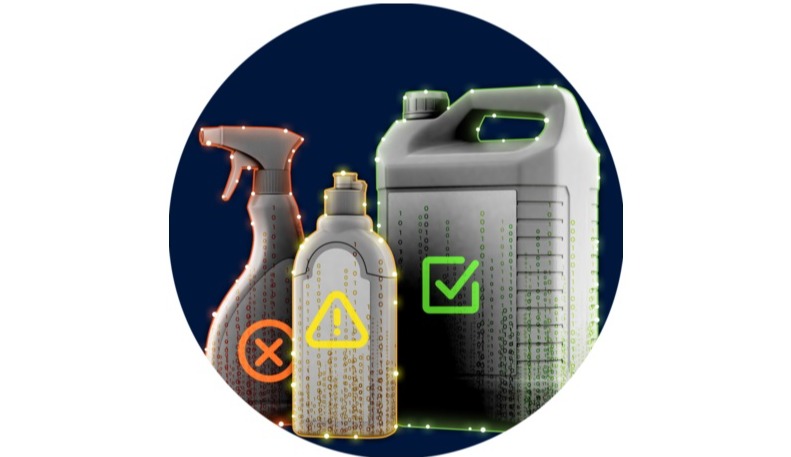
Polyplastics, Colgate-Palmolive and PTI unveil new technology for lightweight HDPE bottles
 2026-03-02
Packaging
KHS SUPREME PET bottle for oxygen-sensitive beverages
 2026-02-27
Packaging
Cortec raises sustainability with VpCI-126 bags made with minimum 20% recycled content
 2026-02-25
Packaging
Embossed, label-free PLA water bottle design for closed loop recycling
 2026-02-23
Packaging
WorldStar 2026 Global Packaging Awards: Five trends revealed
 2026-02-11

You May Be Interested In

Change

  • People
  • Company
loading... No Content
{{[item.truename,item.truename_english][lang]}} {{[item.company_name,item.company_name_english][lang]}} {{[item.job_name,item.name_english][lang]}}
{{[item.company_name,item.company_name_english][lang]}} Company Name    {{[item.display_name,item.display_name_english][lang]}}  

Polyurethane Investment Medical Carbon neutral Reduce cost and increase efficiency CHINAPLAS Financial reports rPET INEOS Styrolution Evonik Borouge Polystyrene (PS) mono-material Sustainability Circular economy BASF SABIC Multi-component injection molding machine All-electric injection molding machine Thermoforming machine

Market report: Three key application areas boosting upgrades in plastic packaging

识别右侧二维码,进入阅读全文
下载
x 关闭
订阅
亲爱的用户,请填写一下信息
I have read and agree to the 《Terms of Use》 and 《Privacy Policy》
立即订阅
Top
Feedback
Chat
News
Market News
Applications
Products
Video
In Pictures
Specials
Activities
eBook
Front Line
Plastics Applications
Chemicals and Raw Material
Processing Technologies
Products
Injection
Extrusion
Auxiliary
Blow Molding
Mold
Hot Runner
Screw
Applications
Packaging
Automotive
Medical
Recycling
E&E
LED
Construction
Others
Events
Conference
Webinar
CHINAPLAS
CPS+ eMarketplace
Official Publications
CPS eNews
Media Kit
Social Media
Facebook
Linkedin