









BASF inaugurates world-scale Verbund site in China

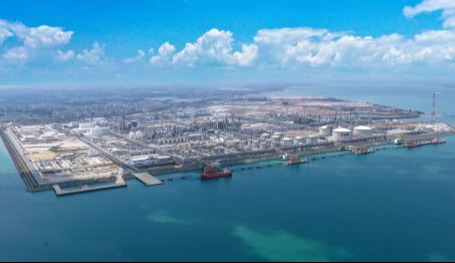
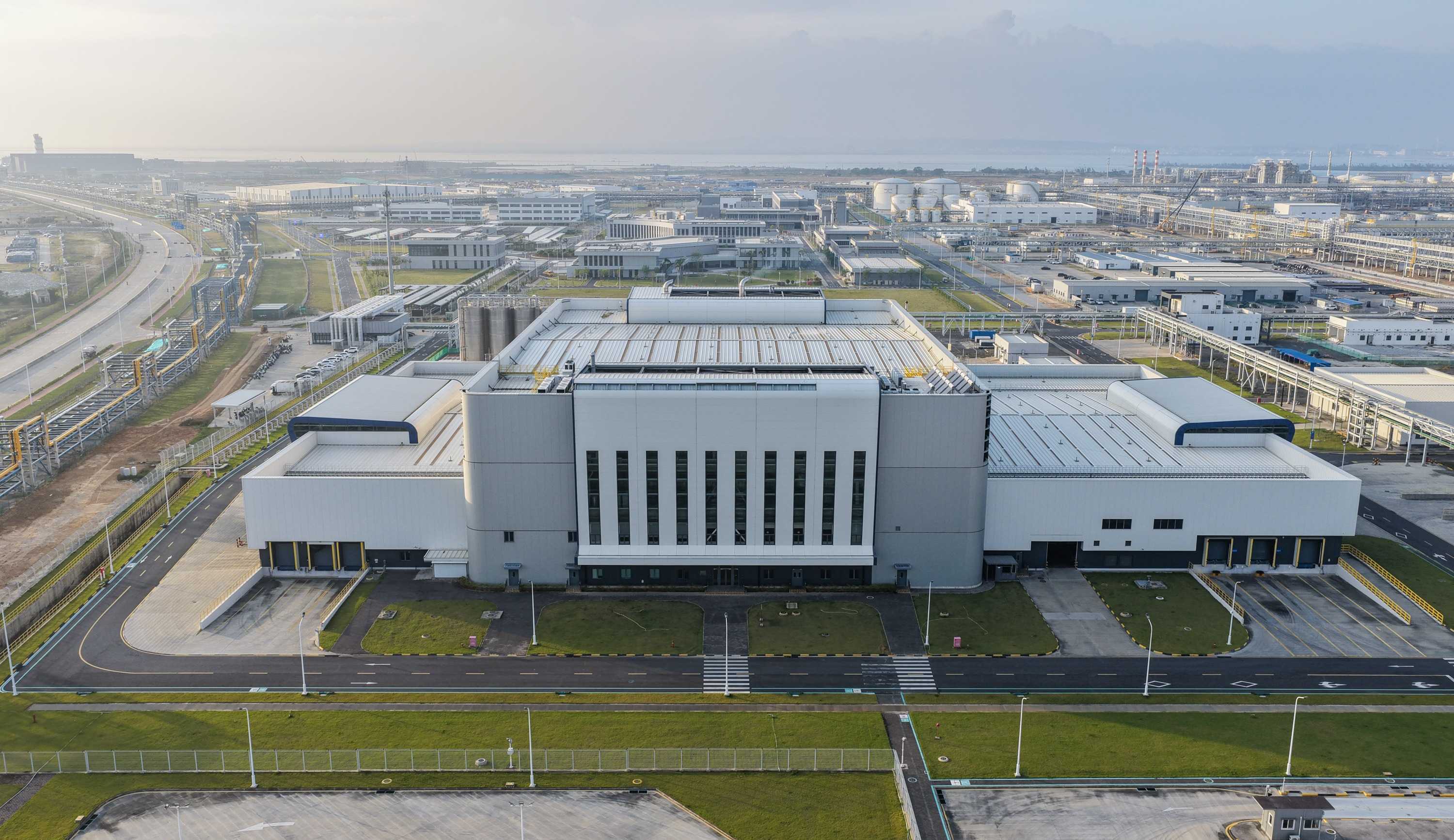
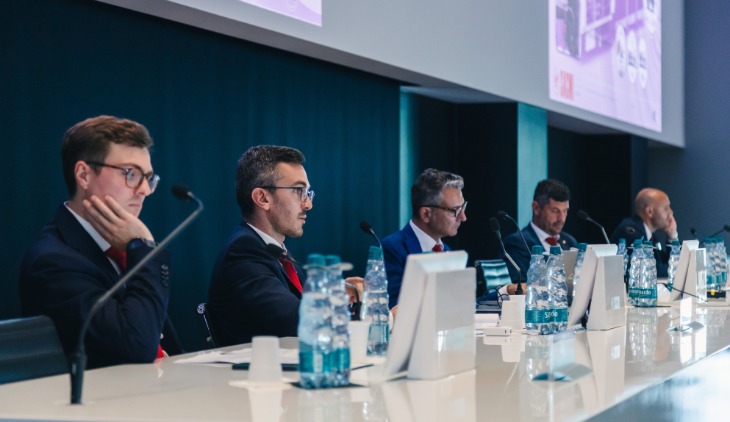
On March 26, BASF celebrated the official inauguration of its new world-scale Verbund site in Zhanjiang, China, showcasing a smart integrated Verbund structure on an industrial scale.
The newly built site covers an area of around four square kilometers. The project was completed on schedule and well below the original budget, with an investment of around EUR 8.7 billion.
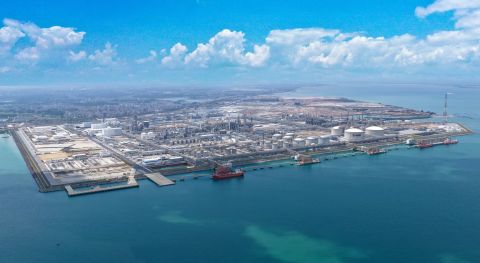
BASF inaugurated world-scale Verbund site in China.
By using Verbund integration, process innovations and renewable energy, CO₂ emissions at the site can be reduced by up to 50% compared with a conventional petrochemical site. Long-term green power purchase agreements and investments in an offshore wind farm enable the site’s electricity supply to be 100% renewable.
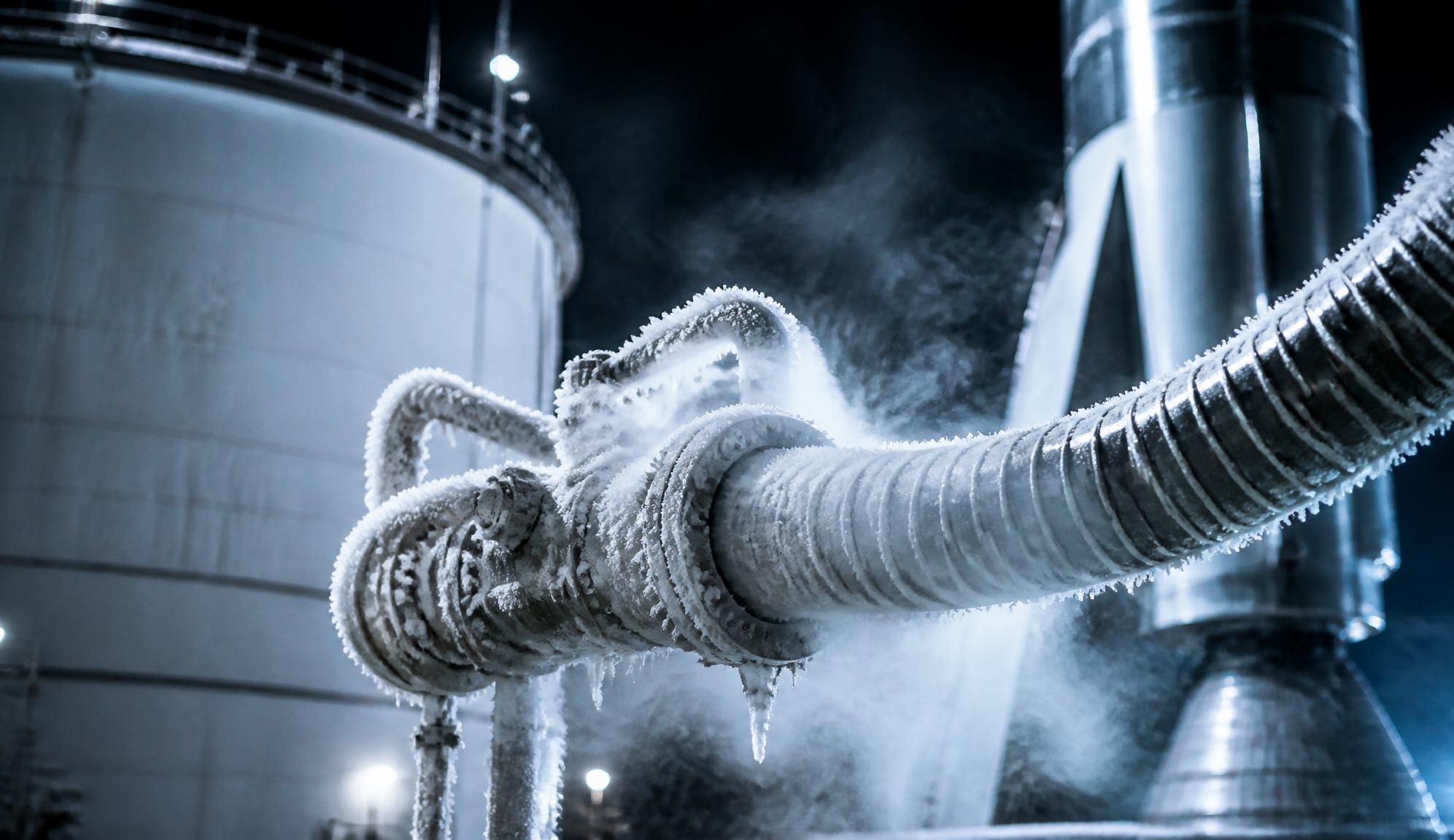
Innovative technologies are also being used for the steam cracker – the starting point of various value chains at the Verbund site. It has a capacity of 1 million tons of ethylene per year and is the world’s first cracker equipped with main compressors (e-drives) powered by 100% renewable energy, supporting the production of high-quality, low-CO2 products. The world-scale flex-feed steam cracker is designed to process multiple types of feedstocks, such as naphtha and butane.
The Zhanjiang integrated site is BASF’s seventh Verbund site worldwide and the third largest after Ludwigshafen, Germany, and Antwerp, Belgium. It will be operated solely under BASF’s responsibility.
More about BASF’s Zhanjiang site
BASF announced the Zhanjiang project in 2018 and laid the foundation stone the following year. The first production plant to begin operation at the Zhanjiang site was for engineering plastics in 2022; it was followed by a thermoplastic polyurethane plant in 2024. At the turn of 2025/2026, BASF began production in the first value chains in the Verbund and successfully ramped up the steam cracker in record time.
“It sets new benchmarks for sustainable chemical production in China and worldwide,” commented Dr. Stephan Kothrade, member of the Board and Chief Technology Officer of BASF SE, who is responsible for the Asia Pacific region.
The Zhanjiang site will produce a diversified portfolio that includes basic chemicals, intermediates and specialty chemicals for the transportation, consumer goods, electronics, home care and personal care industries.
The majority of the products manufactured in Zhanjiang will directly serve customers in China, fully aligning with BASF’s global “local‑for‑local” approach.