








Röhm invests in chemical recycling

At its Worms site in Germany, Röhm is using an innovative and in-house developed technology for the first time on an industrial scale.
It enables the processing and upgrading of chemically recycled methyl methacrylate (MMA). The starting material is polymethyl methacrylate (PMMA), which becomes high-quality MMA again through depolymerization.
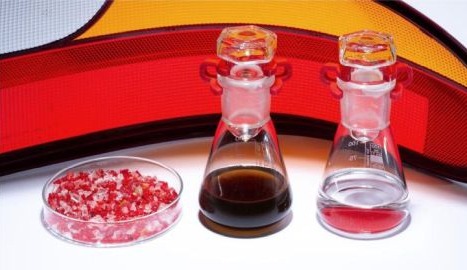
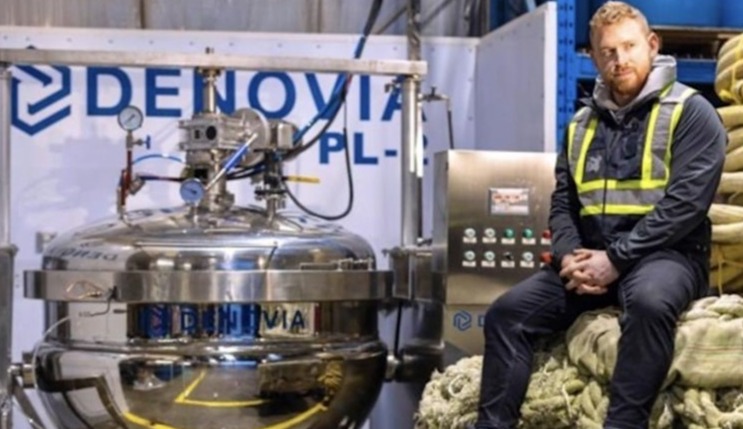
Test with real post-consumer waste: On a pilot scale, old car taillights made of PMMA were depolymerized at MyRemono and refurbished at Röhm's Worms site to MMA in virgin material quality.
PMMA is a versatile plastic that can be found in vehicle taillights, medical devices and numerous other applications. Due to its chemical structure, the material is particularly suitable for efficient, high-quality recycling processes, achieving more than 90% yield in depolymerization processes.
The new technology can be easily integrated into the existing MMA production in Worms. With this investment, Röhm is creating the basis for a closed and scalable material cycle. Starting summer 2027, the recycled MMA will be used for manufacturing sustainable proTerra products throughout Röhm's Verbund structure.
European Recycling Alliance for PMMA
The scale-up of the technology to industrial scale is Röhm’s contribution to the European Recycling Alliance for PMMA. The aim of this network of companies is to significantly increase the recycling rate of end-of-life PMMA across Europe and to establish a completely closed material cycle.
The alliance partners take on various tasks: Pekutherm collects and sorts around 5,000 tons of PMMA waste throughout Europe every year. MyRemono processes these quantities into technical rMMA by means of depolymerization. At Röhm in Worms, this technical rMMA is finally upgraded into MMA in virgin material quality.