












New membrane technology makes chemical recycling cheaper and cleaner

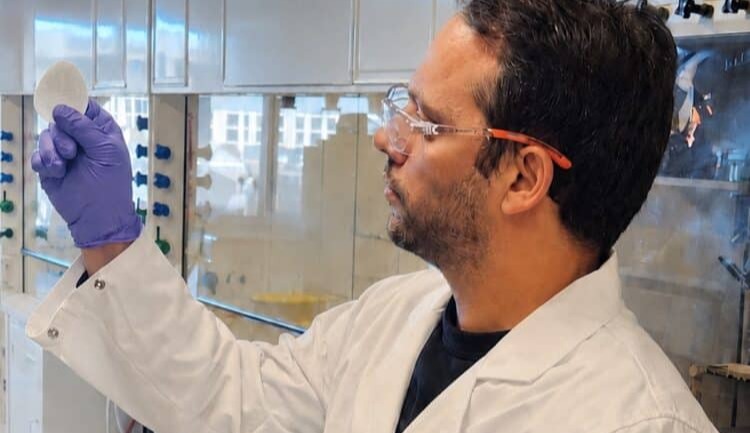
Researchers at Monash University in Australia have developed a new membrane technology that could make chemical recycling of plastics cheaper, cleaner and more efficient by improving the recovery of valuable chemicals used in the process.
Developed in collaboration with CSIRO and The University of Texas, the breakthrough focuses on improving glycolysis – a recycling method used to break down PET plastics, which are common in beverage bottles, food packaging and synthetic textiles.
Challenge in PET chemical recycling
During glycolysis, PET plastics are chemically broken down into reusable raw materials. However, the process has faced commercial barriers because recovering ethylene glycol from the reaction mixture can be expensive and energy intensive.
Less cost and energy consumption
The study, published in the Chemical Engineering Journal, outlines how specially designed nanocomposite membranes can separate water from ethylene glycol, a chemical used in the recycling process that is difficult and costly to recover using traditional methods.
Rather than relying on energy-intensive recovery systems, the membranes act as highly selective filters, allowing ethylene glycol to be recovered at high purity and reused during depolymerization.
Researchers pointed out that the development could lower chemical use, improve recycling economics and support efforts to create a more circular plastics industry.
Open for future scale up
This membrane-based separation system demonstrated strong performance under conditions relevant to real-world industrial recycling processes, providing a practical pathway for future commercial scale-up.
The technology could eventually be applied across a broad range of PET waste streams, including packaging, trays, bottles and textiles.
The project was conducted under the CSIRO-Monash collaboration program, with further research already planned to advance the technology and explore future industrial applications.