














ExxonMobil develops high-performance vacuum skin packaging formulations

Traditional ionomer-based vacuum packaging can be easily impacted by ionomer material shortage. To solve this, ExxonMobil, Kuraray, GAP, and G.Mondini leverage their expertise across the value chain to produce ionomer-free vacuum skin packaging that provides high performance attributes.
Leveraging each expertise
ExxonMobil developed a formulation using its best-in-class Exceed Flow+ and Exceed Tough+ performance polyethylene in combination with its ExxonMobil EVA resin and Kuraray’s most efficient barrier material, EVAL T101B.
The formulation was used to produce blown film at GAP, an Italian company with expertise in extrusion lines and bubble technology.
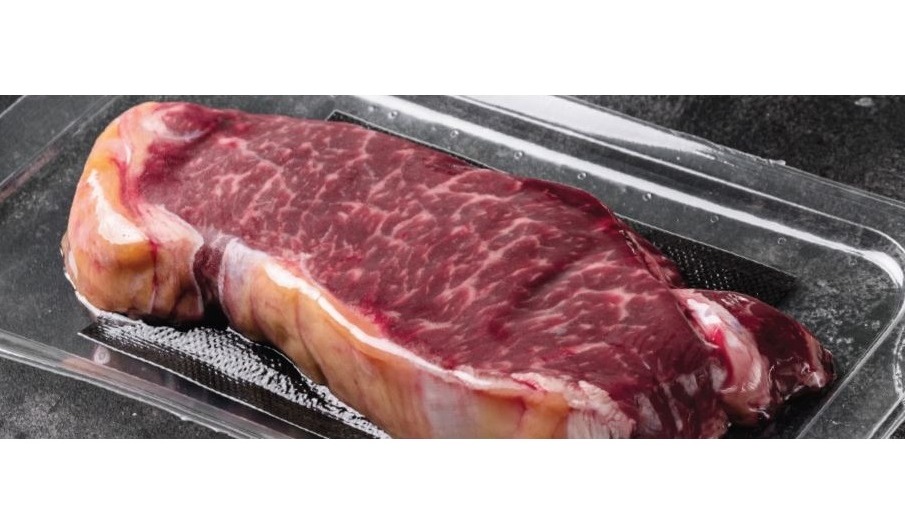
To demonstrate the high performance and excellent shelf appeal, G.Mondini, an Italian-based leader in packaging food, provided access to their vacuum-skin packaging line, which provides perfect vacuum and full seal around the product.
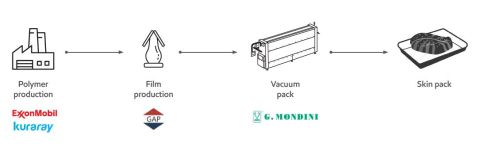
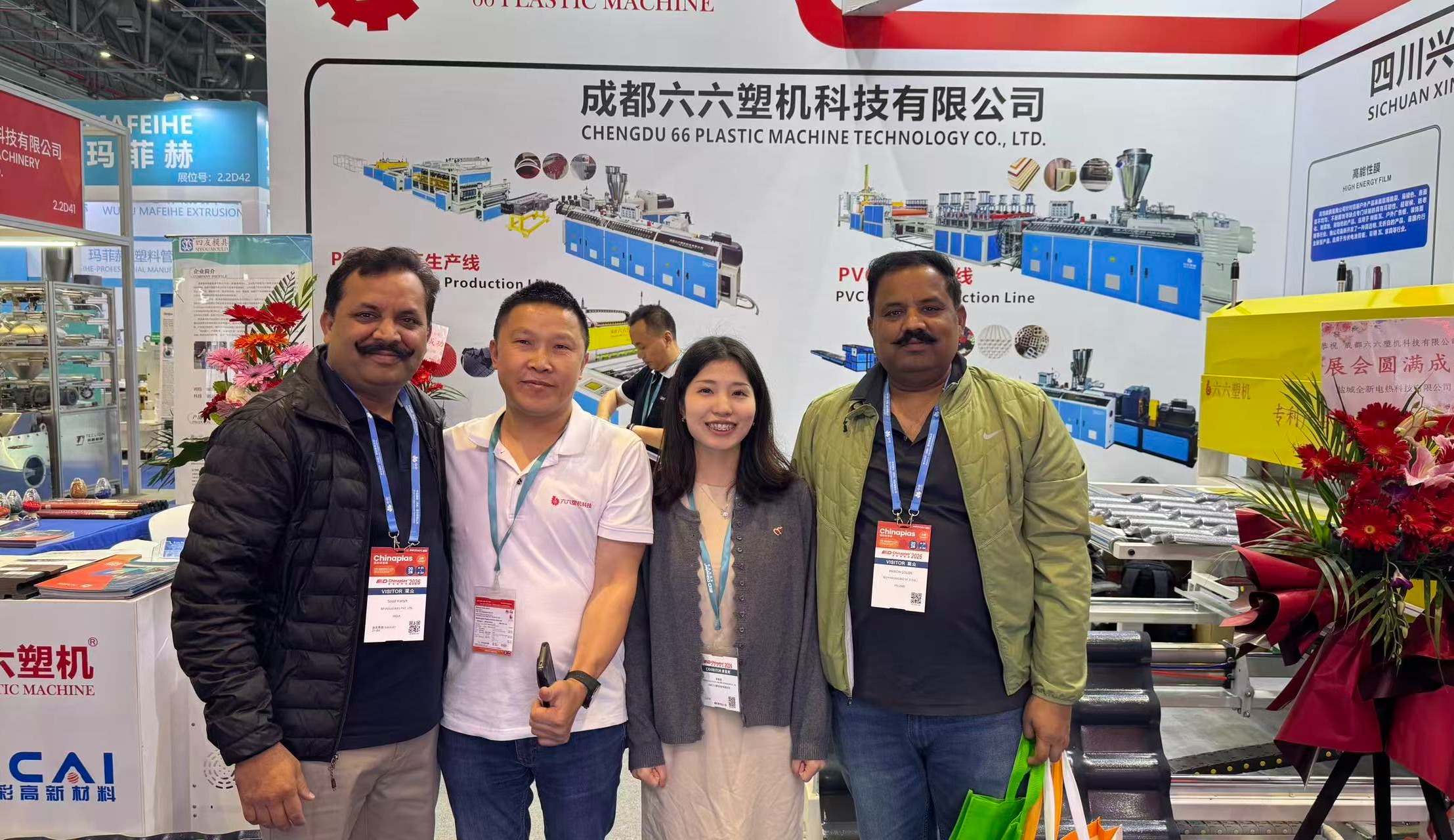
ExxonMobil, Kuraray, GAP, and G.Mondini leverage their expertise across the value chain.
High-performance materials
ExxonMobil’s performance polyethylene maintained the same key performance attributes required for a vacuum skin packaging.
Exceed Flow+ m 0516 metallocene polyethylene offers
• Excellent optical properties,
• Excellent mechanical properties, and
• Good sealing properties when used in skin layer
While ExxonMobil EVA 06519FL polymer,
Exceed Tough+ m 0512 metallocene polyethylene
• Forming, ensuring a tight fit around the object
Shelf life is provided by Kuraray’s EVAL EVOH, a material well-known for providing tremendous barrier properties.
Result: High toughness, gloss and transparency
The ionomer-free vacuum skin packaging solution delivers excellent shelf appeal, toughness properties such as tear and puncture. It brings an outstanding gloss of 81, and transparency (haze 7.5%).
Moreover, exceptional forming performance was demonstrated on a semi-automatic G.Mondini equipment and an automatic Multivac line, reducing the dependency on a traditional ionomer-based reference.