










Covestro’s PCR PC/ABS adopted for Lexus interior components

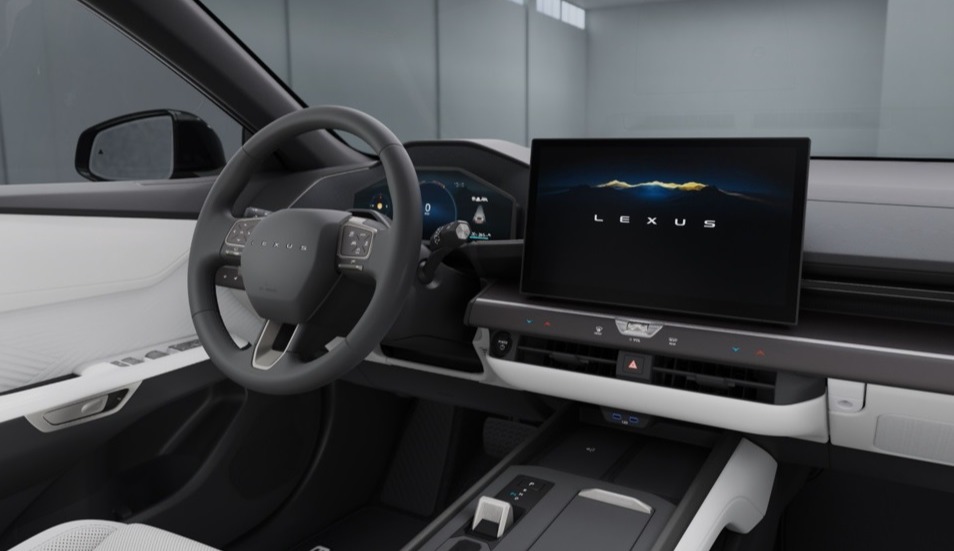
Marking a significant milestone in adopting more sustainable materials in automotive field, Covestro announced that its polycarbonate/ABS (PC/ABS) material with 35% post-consumer recycled (PCR) content – Bayblend T85X R35 CQ – has been used for interior components in the Lexus ES sedan.

Covestro’s PC/ABS with 35% PCR content is adopted in Lexus ES interior components.
As part of Covestro’s Circular Intelligence (CQ) portfolio, the Bayblend material delivers a 25% reduction in Global Warming Potential, measured in CO₂ equivalents, compared to conventional fossil-based alternatives, according to internal calculations.
As automakers advance toward their own environmental targets, including readiness for evolving regulatory frameworks such as the EU’s End-of-Life-Vehicle (ELV) Regulation, this development underscores broader momentum for recycled content adoption without compromising quality.
Collaboration along the value chain
This development was enabled through close collaboration between Toyota Motor Corporation, Toyota Motor Kyushu, Kojima Industries Corporation and Covestro.
Together, the four companies conducted comprehensive testing and evaluation to ensure the recycled material met all performance requirements without compromising quality standards.
This adoption aligns with the four companies' sustainability strategies. Covestro positions the circular economy as a strategic pillar and continues expanding related product families. Toyota Group leads industry initiatives in environmental stewardship and resource circularity.
In parallel, Kojima Industries Corporation and Kojima Group drive sustainability across manufacturing and supply chains, supporting circular material use and responsible sourcing.
Expanding PCR solutions from end-of-life vehicles
Covestro continues expanding its circular economy solutions through “The Material Effect” approach, including the recently launched "RV line”, part of the post-consumer recycled R series – featuring recycled end-of-life vehicle materials such as headlamps, with third-party certification.
These developments address critical automotive industry challenges amid tightening environmental pressures and regulatory requirements.