
















The “Material Effect” behind World Cup 2026

As the FIFA World Cup 2026 is approaching, athletes and fans around the world are all preparing for this largest event of the year. Spotlight will be on the match, talents, tactics and training.
However, the importance of advanced plastic materials in football field is often underestimated. Polyurethane, polycarbonate and other high-performance polymers are seen on athletes, football, and the field, providing durability, flexibility, protection and reliability.
Covestro is highlighting this “material effect” behind football: the often unseen contribution of material science to the way the sport is played, experienced and connected around the world.
The Core: Football
Modern football has become faster, more precise and more connected. Behind this evolution is better training methods and data analytics, and materials have also helped make high performance more reliable.
The football itself is a good example. Modern balls use advanced materials, carefully engineered surfaces and precise construction methods to support consistent weight, shape, rebound and flight behavior, even under demanding weather conditions.
Compared with traditional leather balls, today’s footballs are designed for greater reliability and more predictable performance.
Materials empowering players’ performance
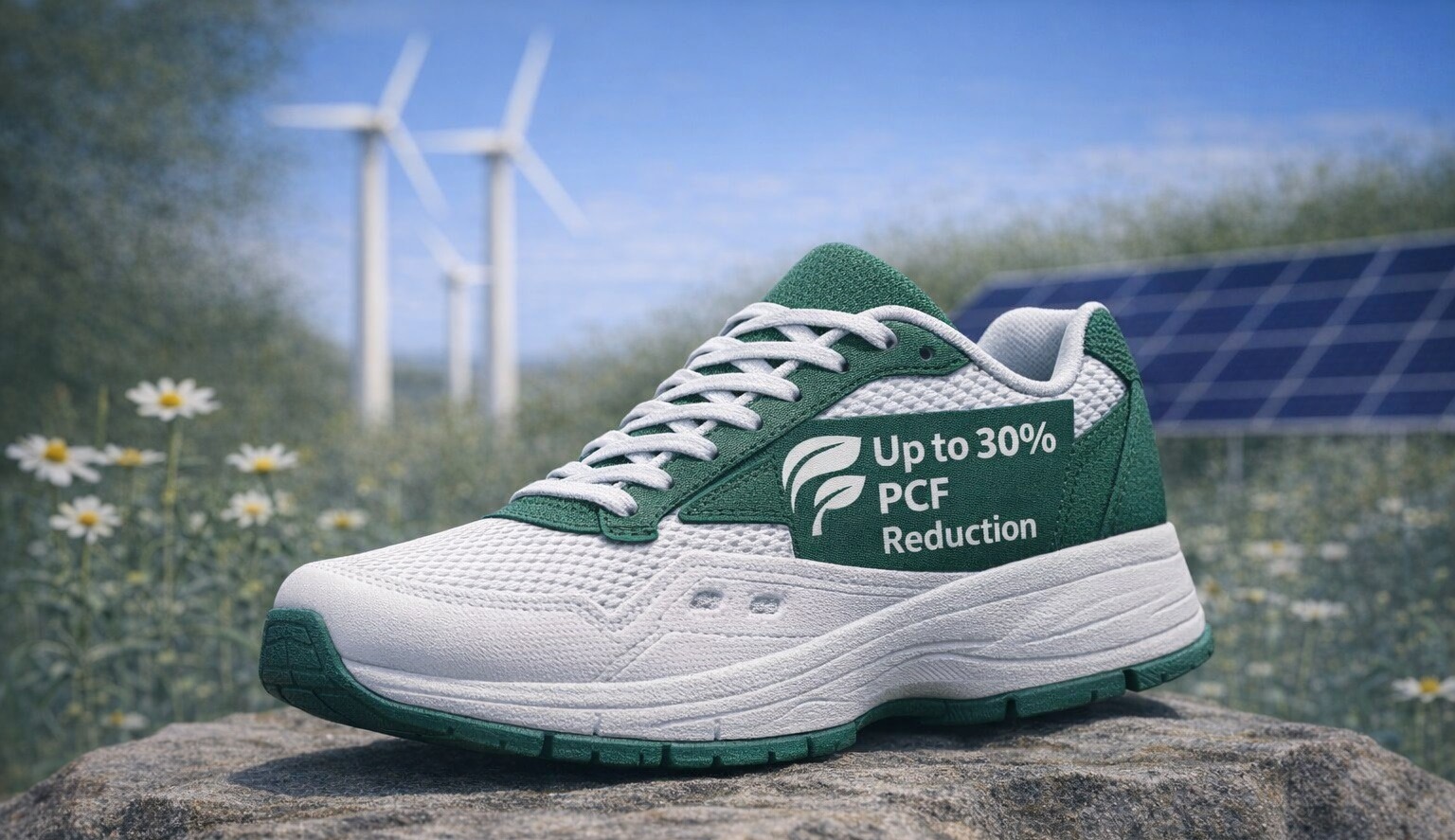
Footwear has also changed fundamentally. Modern football boots combine lightweight uppers, flexible structures and high-performance sole plates to support grip, acceleration, agility and ball control. The contact between player, pitch and ball has become a highly engineered interface.
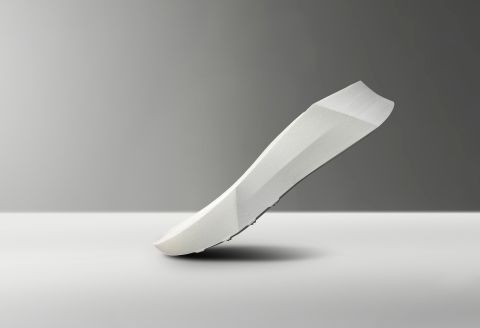
Covestro’s advanced materials can be used in sports footwear sole plates. (Source: Covestro)
Further reading:Covestro advanced TPU for sustainable footwear design
Sportswear plays its part as well. Lightweight, breathable and durable textiles can help manage moisture and comfort during high-intensity performance.
Covestro’s INSQIN waterborne polyurethane technology enables high-performance textile coatings that can provide softness, water resistance and long-lasting performance while supporting more sustainable manufacturing approaches.

Covestro’s INSQIN delivers water resistance to sports and outdoor wear. (Source: Covestro)
Read also:Covestro, Huafeng and Cyclone collaborate on rPET yarns for sportswear
Materials beyond the field
The material effect extends beyond players and equipment. Stadiums, training facilities and broadcast infrastructure also depend on advanced materials.
Lightweight and durable polycarbonate solutions have been used in large-scale roofing applications. They can help create weather-resistant structures that protect spectators while reducing weight and maintenance requirements.
At the same time, football is becoming increasingly digital. From connected match technologies and live analytics to broadcast systems and streaming platforms, every match depends on the reliable flow of data. Advanced polymer materials help protect cables, connectors and electronic components and support the infrastructure that brings the game to fans around the world.
As sport becomes more connected, the infrastructure behind it becomes more demanding. Data centers, communication networks and electronic systems require materials that can support reliability, protection and performance at scale.
Innovation is a team sport
The evolution of football shows how performance is rarely the result of a single factor. It comes from the interaction of talent, preparation, technology and the right materials.
From the pitch to the stadium and from equipment to digital infrastructure, football shows how advanced materials can help shape performance where it matters most.