
















Allotex and Daicel HPP partner to advance corneal allograft technology

Allotex Inc. has partnered with Daicel High Performance Polymers (HPP) and its TOPAS Advanced Polymers business to develop next-generation corneal allograft storage and delivery systems. The collaboration combines Allotex's pioneering vision-restoration Tissue Addition Technology with Daicel HPP's medical material science. The goal is to build a high-performance system that preserves tissue integrity, extends shelf life, and ensures precise clinical outcomes.
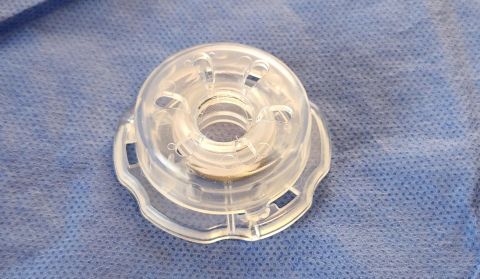
The technology: Allotex TransForm Allogenic Corneal Inlay
The lead product in this alliance is the Allotex TransForm Allogenic Corneal Inlay, a thin, laser-shaped disc made from sterile human corneal tissue.
Procedure: It is implanted minimally invasively beneath a femtolaser flap and integrates naturally with the patient's cornea.
Benefits: Instead of removing or permanently altering corneal tissue, it adds biocompatible tissue. This process remains entirely reversible.
Patient profile: Ideal for individuals in the early stages of lens dysfunction who have healthy ocular anatomy but want to avoid permanent, invasive intraocular procedures.
The Storage System: Powered by TOPAS COC
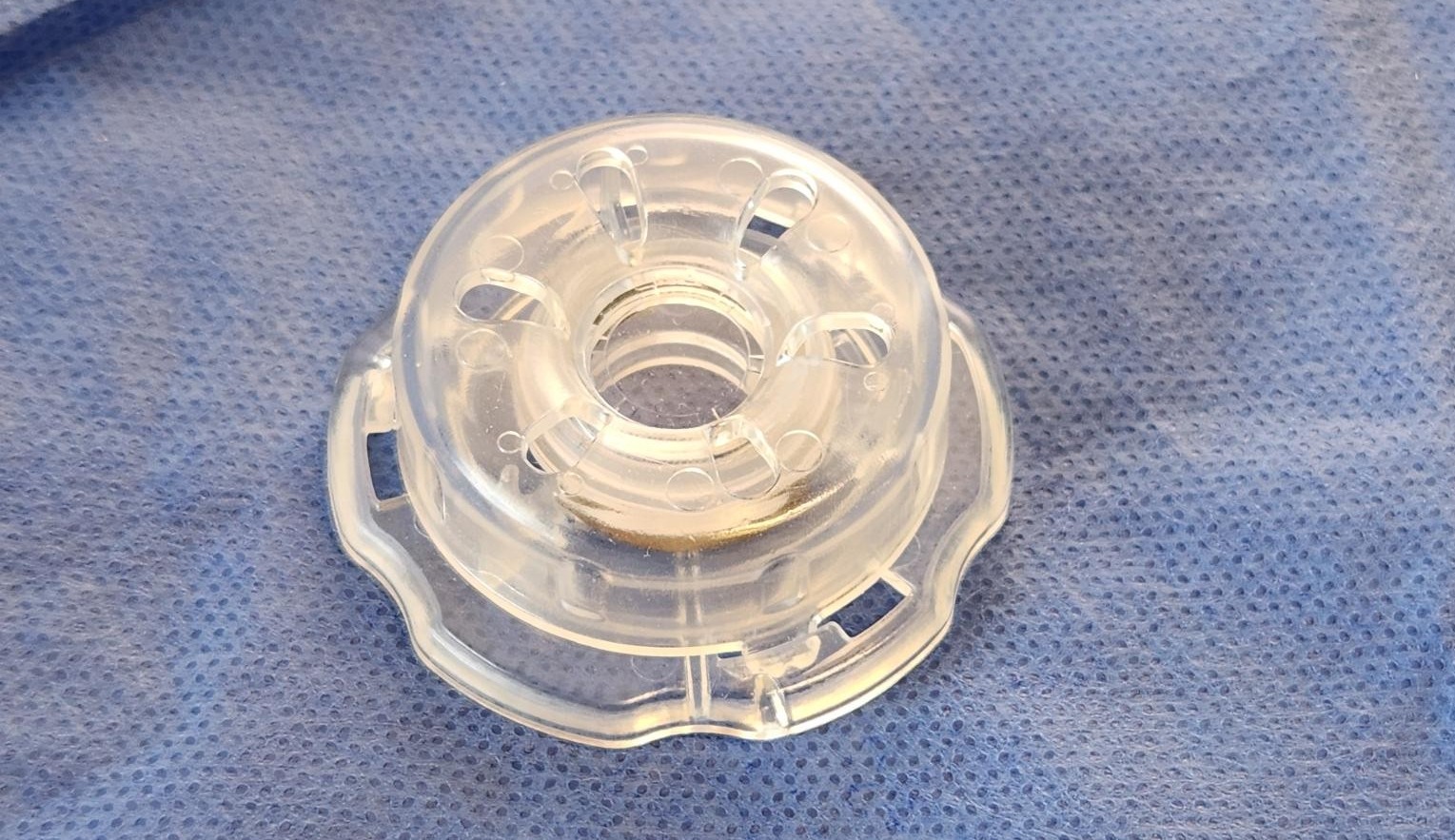
To protect the biological corneal inlays during long-term storage, Allotex selected TOPAS cyclic olefin copolymer (COC) to manufacture precision-molded components for its delivery chamber. Unlike standard polymers that allow moisture transmission and lead to tissue dehydration, TOPAS COC offers four distinct performance advantages:
Exceptional material purity: Supports high biocompatibility for living tissue.
High chemical resistance: Guarantees absolute stability when interacting with storage media.
Excellent moisture barrier: Eliminates solvent loss to keep the internal chamber moist for up to 12 months.
Optical transparency: Enables seamless quality checks and is fully compatible with E-beam sterilization processes.