

















Search History
Clear History
{{item.search_key}}
Hot Searches
Change
{{item.name}}
{{item.english_name}}
Subscribe eNews
Once A Week Once Every Two Weeks
{{sum}}
Login Register

Applications

Syensqo and Bucci Composites partner to accelerate high-volume automotive composites manufacturing

Fast and reliable answers: PPWR Compliance Compass expands with specialized AI chatbot

Lubrizol and Polyhose inaugurate Advanced Medical Tubing Facility in India

Products

KEBO merges into Plastisud Group

Dow invests $100M for specialty silicones manufacturing and innovation

SI Group and Shengxiao Group establish JV to expand Biphenol capacity in China

Activities

  • PLAST 2026 concluded beyond expectations

  • CRRE inks agreement with 5 key players in wind and solar equipment circularity

  • Fakuma 2026: Multi-faceted program for plastics industry

Pictorial

News Videos

A talk with Italian injection molding expert BMB

Inside Moretto: A tour of their Italian production facilities

Top 10 Technology Trends awards presented at CHINAPLAS 2026

Conference Videos

Summit Dialogue: Policy alignment and practices in plastic recycling across Asia

Interview: Pathways for development of plastics recycling in Malaysia

Driving systemic change: Unilever’s evolution in the circular economy

Corporate/Product Videos

Tired of repairing the same roads? 30 seconds to unmask the real troublemaker in your asphalt.

Labels peeling, tape yellowing, slitting snapping? One raw material change fixes all three.

For Rubber & Plastic Extrusion Equipment, trust Hebei Zhongsen! Custom Extruders, Traction Machines & Vulcanizing Lines

Home > News > Market News

【Market Insight】Four Key Trends in the Medical Device Industry – What Opportunities for Plastics Machinery?

Source:CPS+ eMarketplace Date :2026-07-02 Editor :CPS+ eMarketplace
Copyright: This article was originally written/edited by Adsale Plastics Network (AdsaleCPRJ.com), republishing and excerpting are not allowed without permission. For any copyright infringement, we will pursue legal liability in accordance with the law.

Trend 1: Accelerated Substitution with Single‑Use Devices – Surging Demand for High‑Volume Production Equipment


As hospital infection control requirements tighten, replacing reusable devices with single‑use alternatives has become a prominent trend.

For example, traditional reusable endoscopes are increasingly being fitted with single‑use sheaths in various surgical applications. This improves safety, reduces patient costs, and increases endoscope utilization. Similarly, some metal surgical knives and scissors are being replaced by single‑use plastic instruments. Life‑cycle studies show that single‑use devices have a lower carbon footprint over their entire lifecycle.

▲ A dip‑molded endoscope sheath (right) compared with a conventionally produced one (left) – no seams or gates, high light transmittance, meeting endoscopic observation requirements. (Image source: Solidr Medical)


Equipment Needs:
Single‑use devices require high output and large‑scale production. Manufacturers must balance safety and compliance with production efficiency and cost control – exactly what plastics processing offers. Mainstream processes like extrusion, injection molding, and blow molding are already well established, while thermoforming, dip molding, and other specialized processes are also routinely used. Notably, thin‑wall extrusion, multi‑lumen tube extrusion, micro‑structured extrusion, secondary tube processing, dip molding, and thermoforming deserve more attention.


Featured Product:
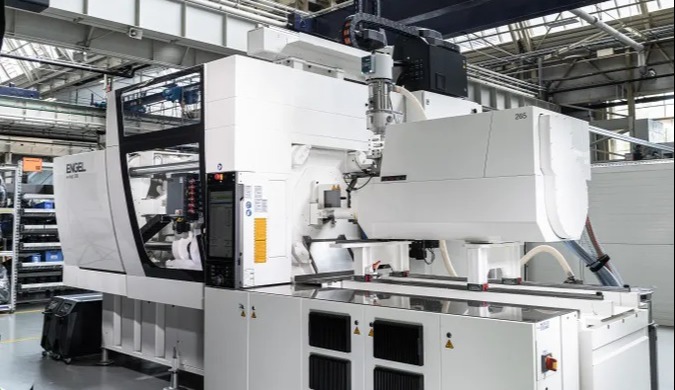
Engel - WINTEC e‑win 3200‑1500 PRO for 10 ml Luer ‑ Lock Syringe Barrels
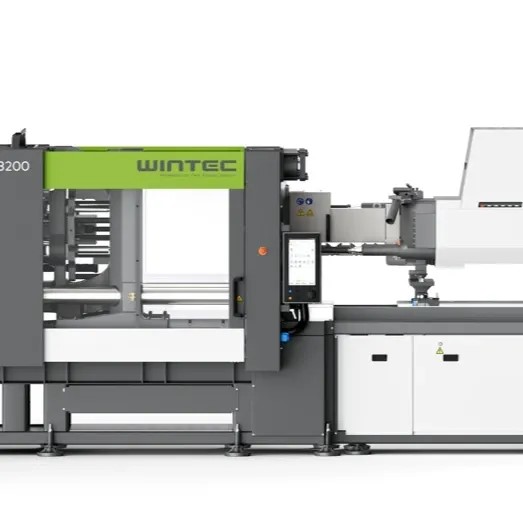
WINTEC_Product1.jpg

Click for product details. 

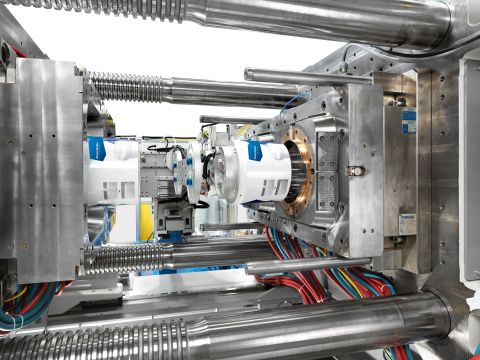
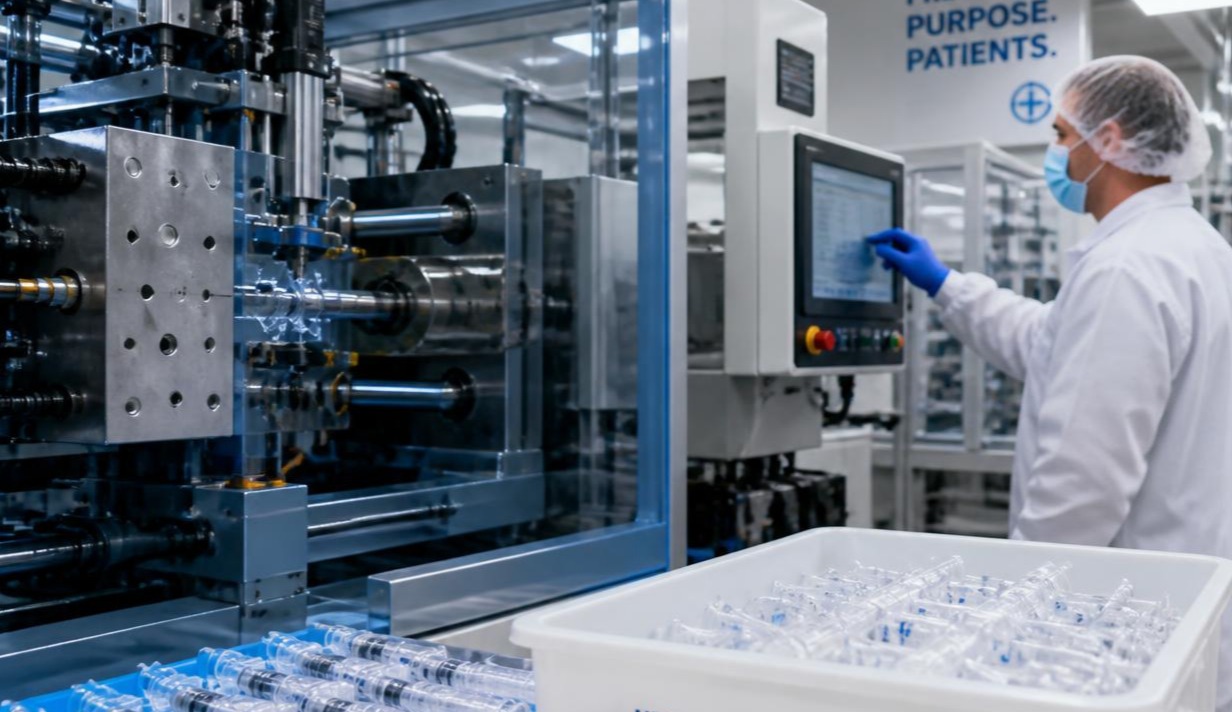
This compact e‑win 3200 PRO production line, equipped with a 48‑cavity unscrewing mold, efficiently produces 10 ml Luer‑lock syringe barrels with high output, low capital investment, and optimized energy consumption for low unit costs. The solution ensures precise plunger‑barrel fit and excellent long‑term process stability, while meeting ISO cleanroom standards for demanding medical manufacturing.


Trend 2: Modification and Surface Treatment Are Key to Functionalization – Dedicated Auxiliary Equipment Becomes Essential


Medical devices must meet core requirements such as user comfort and biocompatibility. Surfaces that contact tissue or blood require specific properties – hydrophilicity/hydrophobicity, protein adsorption resistance, blood compatibility, and histocompatibility. Surface coating is the most common approach, while material modification to impart special properties is gaining traction.

Although specialized service providers exist for coating and modification, many medical device manufacturers prefer to bring these processes in‑house to simplify regulatory compliance.


Equipment Needs:
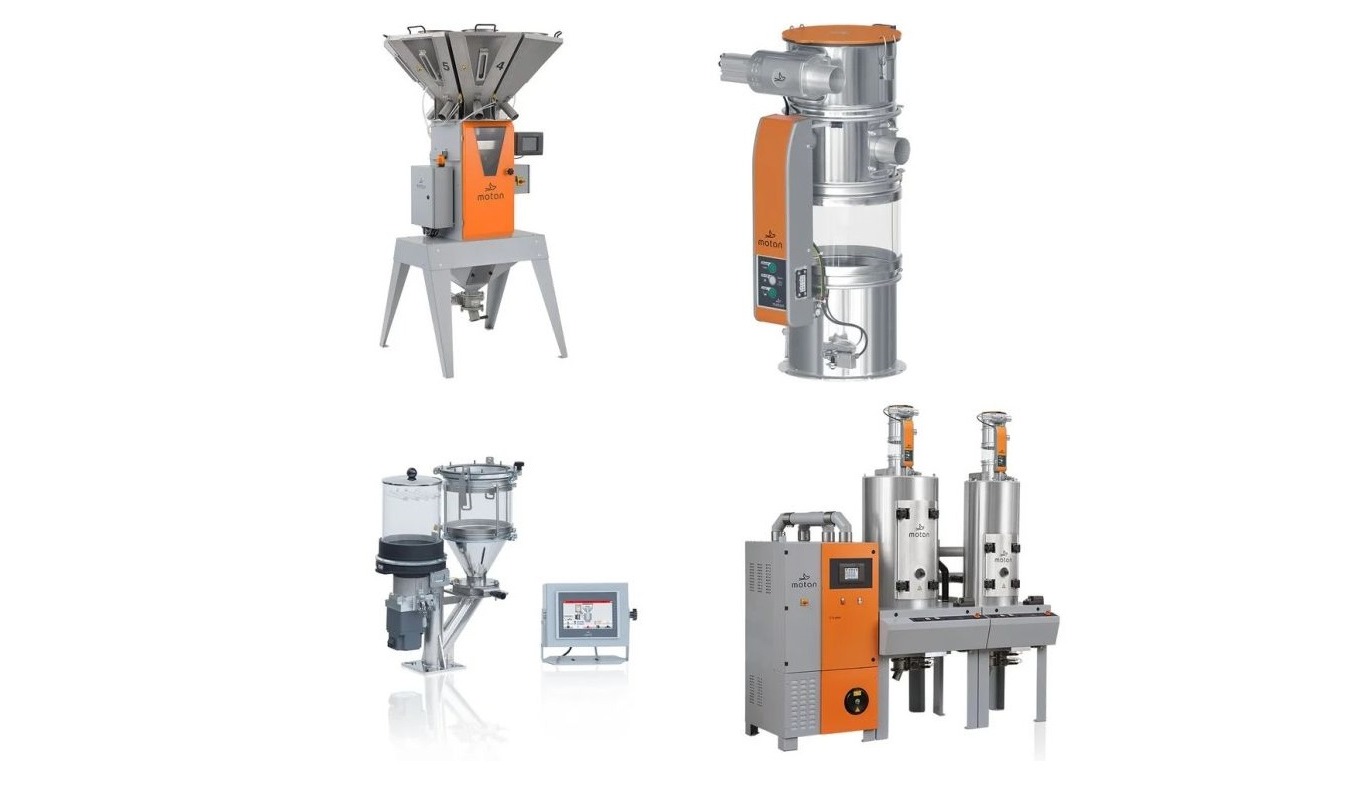
Demand is rising for compounding equipment, precision masterbatch/liquid color dosing systems, and custom surface coating equipment. Masterbatch and colorant dosing systems can be easily integrated into molding machines, while surface coating equipment often requires custom development based on product geometry and workflow. Compact compounding lines and flexible multi‑structure coating solutions have strong market potential.


Featured Product:
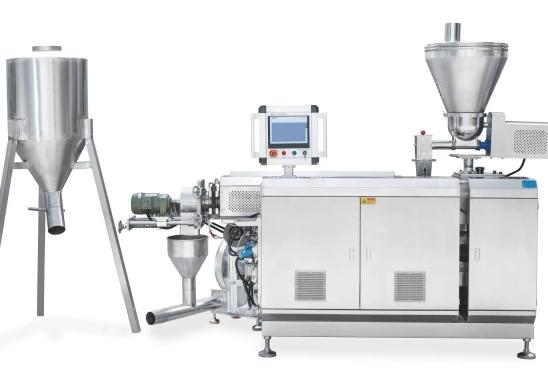
Dongguan Shengan Plastic Machinery – Single‑Screw Pelletizer (Medical Grade)
Single Screw Granlator_Product2.jpg

Click for product details.    


The line consists of a gravimetric feeder, extruder, receiving hopper, and storage silo. It uses a rotating cutter head to efficiently pelletize PVC, TPU, PA, PE, PETG, CA, ABS, PC, PMMA, and barium‑sulfate‑filled modified compounds.


Trend 3: Widespread Adoption of Micro/Nano‑Structured Products – A Boon for Ultra‑High‑Precision Molding Equipment


Advances in minimally invasive techniques and the proliferation of wearable medical devices are driving miniaturization and precision in medical devices. Wearables for chronic disease monitoring and smart drug delivery, as well as micro‑sensors, miniature pacemakers, continuous glucose monitors (CGM), vascular intervention robots, and invasive brain‑computer interfaces, are typical micro/nano‑structured products. These require high integration, fine features, and tiny dimensions. For instance, a single 25×25 mm microfluidic chip may contain tens of thousands of nano‑scale array structures. Micro/nano‑machining is now a standard requirement.


Equipment Needs:
Precision micro‑injection molding has become a key process for micro/nano medical products. At recent CHINAPLAS shows, Engel, ARBURG, Wittmann Battenfeld, and others demonstrated molding of miniature medical parts. Extrusion technology has achieved ultra‑fine tubing with diameters as small as 0.1 mm and wall thicknesses of 0.02 mm.
拓烯科技.jpg

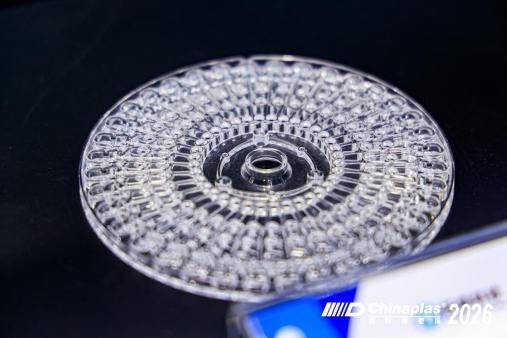
▲ Microfluidic chip displayed by Tuoxi Technology at CHINAPLAS 2026.


Notably, as products approach the limits of conventional plastics processing, cross‑industry adoption or development of new forming techniques should be a research priority. For example, micro‑array molds can be machined with high‑precision CNC equipment, but lithography – borrowed from the semiconductor industry – may offer more efficient solutions.


Featured Product:
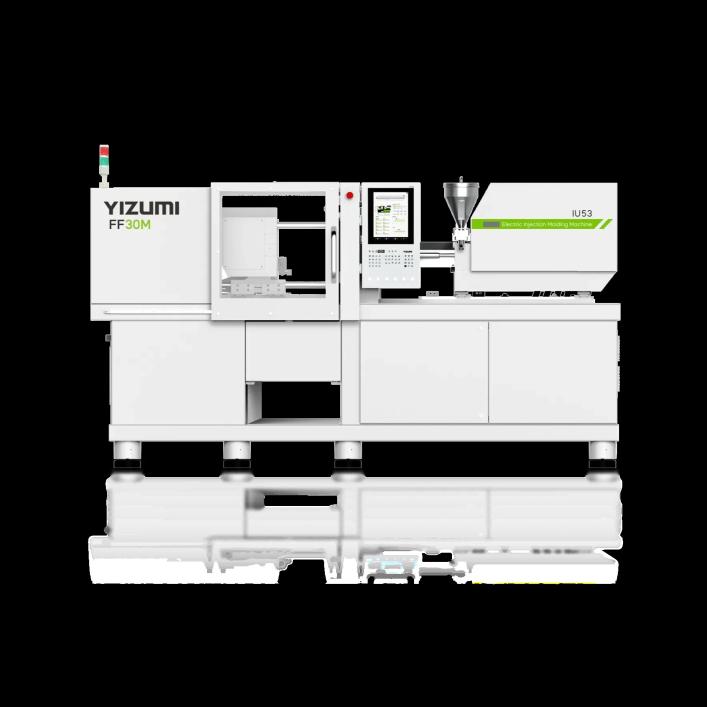
Yizumi - FF30M Micro‑Precision Injection Molding Machine
YIZUMI_Product3.jpg Click for product details.


With a unique clamping and injection unit design, high‑rigidity structure, and dedicated control system, it delivers micron‑level precision and exceptional stability for ultra‑high‑precision microfluidic chip production. Its clean design makes it suitable for medical, 3C, and other applications requiring cleanroom environments.


Trend 4: Smart Medical Devices Are the Future – Integrated Molding Processes Show Great Potential


With rapid AI advancements, smart medical devices represent another major trend.

•VR, AR, and XR are being adopted for diagnosis and therapy.

•More devices are integrating sensors and endoscopes for clinical use.

•AI‑powered machine learning is being applied to diagnostic imaging and accumulated clinical data to enable intelligent diagnosis.


Equipment Needs:
Currently, conventional molding processes produce the structural parts, which are then assembled with optoelectronic, magnetic, or other functional components. In the future, integrated design and processing technologies – such as functional material compounding, insert molding of circuit boards and magnetic materials, flexible electronics, printed electronics, and LDS (Laser Direct Structuring) electronics – will become increasingly important for smart devices.


Featured Product:
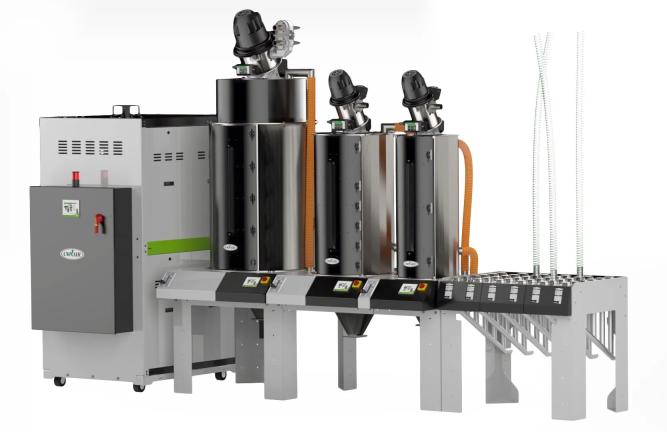
Conair - ResinWorks™ Intelligent Optimization System
ResinWorks_Product4.jpg 

Click for product details.


ResinWorks™ is an AI‑powered function for central multi‑hopper drying systems that automatically controls resin temperature and throughput to prevent over‑drying and reduce energy consumption. It monitors resin flow and temperature in real time, dynamically balancing airflow to achieve 10%–40% energy savings.


Overall Equipment Requirements for Medical Plastics Machinery

Given the special production environment and performance standards in healthcare, medical plastics machinery has distinct requirements compared to general‑purpose equipment. Key features include:

1.Small, lightweight parts with high‑cavity molds – equipment must offer high automation, high stability, and high productivity.

2.Growing demand for custom, compact machines – micro‑precision injection and ultra‑precision extrusion equipment are seeing significant market growth.

3.Secondary processing and post‑treatment involve numerous steps – modular flexible post‑processing equipment remains a weak spot with a large market gap.

4.Many products require family‑mold production – technologies like MUD (Master Unit Die) and flexible molds are worth attention.

5.Strict cleanroom compliance – equipment selection must suit cleanroom conditions. Proper selection improves operational efficiency and reduces cleanroom operating costs. Moreover, domestic cleanrooms typically have ceiling heights of 2.6–2.8 m – equipment manufacturers that optimize machine height during design will gain a competitive edge.


CPS+ eMarketplace: Connecting Medical Plastics and Rubber Innovations Efficiently


Addressing the needs of medical device manufacturers in equipment selection, plastics and rubber raw material sourcing, and process solution matching, the CPS+ eMarketplace has launched a dedicated themed zone, “Plastics Shaping Health, Driving Medical Futures” This specialized section delivers a one-stop sourcing solution tailored to the medical industry.


The platform builds a precise business bridge between medical device manufacturers and suppliers of machinery, equipment, and raw materials. It enables efficient online communication supported by seamless offline matchmaking, offering end-to-end procurement support across the entire sourcing journey. CPS+ eMarkeplace empowers industry partners to achieve optimal resource matching, cost efficiency, and operational excellence.


Submit your sourcing requirements today and let us connect you with the right suppliers quickly and effectively.[Submit Now] 
 Like 丨  {{details_info.likes_count}}

The content you're trying to view is for members only. If you are currently a member, Please login to access this content.   Login

Source:CPS+ eMarketplace Date :2026-07-02 Editor :CPS+ eMarketplace
Copyright: This article was originally written/edited by Adsale Plastics Network (AdsaleCPRJ.com), republishing and excerpting are not allowed without permission. For any copyright infringement, we will pursue legal liability in accordance with the law.

Trend 1: Accelerated Substitution with Single‑Use Devices – Surging Demand for High‑Volume Production Equipment


As hospital infection control requirements tighten, replacing reusable devices with single‑use alternatives has become a prominent trend.

For example, traditional reusable endoscopes are increasingly being fitted with single‑use sheaths in various surgical applications. This improves safety, reduces patient costs, and increases endoscope utilization. Similarly, some metal surgical knives and scissors are being replaced by single‑use plastic instruments. Life‑cycle studies show that single‑use devices have a lower carbon footprint over their entire lifecycle.

▲ A dip‑molded endoscope sheath (right) compared with a conventionally produced one (left) – no seams or gates, high light transmittance, meeting endoscopic observation requirements. (Image source: Solidr Medical)


Equipment Needs:
Single‑use devices require high output and large‑scale production. Manufacturers must balance safety and compliance with production efficiency and cost control – exactly what plastics processing offers. Mainstream processes like extrusion, injection molding, and blow molding are already well established, while thermoforming, dip molding, and other specialized processes are also routinely used. Notably, thin‑wall extrusion, multi‑lumen tube extrusion, micro‑structured extrusion, secondary tube processing, dip molding, and thermoforming deserve more attention.


Featured Product:
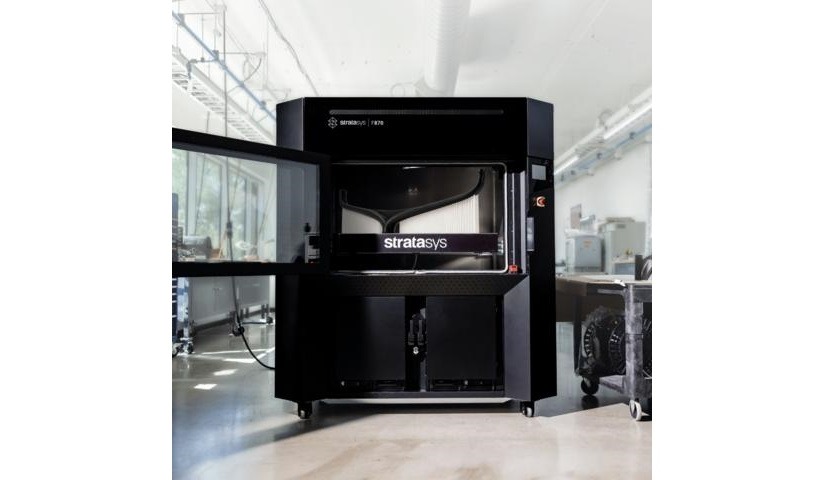
Engel - WINTEC e‑win 3200‑1500 PRO for 10 ml Luer ‑ Lock Syringe Barrels
WINTEC_Product1.jpg

Click for product details. 

This compact e‑win 3200 PRO production line, equipped with a 48‑cavity unscrewing mold, efficiently produces 10 ml Luer‑lock syringe barrels with high output, low capital investment, and optimized energy consumption for low unit costs. The solution ensures precise plunger‑barrel fit and excellent long‑term process stability, while meeting ISO cleanroom standards for demanding medical manufacturing.


Trend 2: Modification and Surface Treatment Are Key to Functionalization – Dedicated Auxiliary Equipment Becomes Essential


Medical devices must meet core requirements such as user comfort and biocompatibility. Surfaces that contact tissue or blood require specific properties – hydrophilicity/hydrophobicity, protein adsorption resistance, blood compatibility, and histocompatibility. Surface coating is the most common approach, while material modification to impart special properties is gaining traction.

Although specialized service providers exist for coating and modification, many medical device manufacturers prefer to bring these processes in‑house to simplify regulatory compliance.


Equipment Needs:
Demand is rising for compounding equipment, precision masterbatch/liquid color dosing systems, and custom surface coating equipment. Masterbatch and colorant dosing systems can be easily integrated into molding machines, while surface coating equipment often requires custom development based on product geometry and workflow. Compact compounding lines and flexible multi‑structure coating solutions have strong market potential.


Featured Product:
Dongguan Shengan Plastic Machinery – Single‑Screw Pelletizer (Medical Grade)

Single Screw Granlator_Product2.jpg

Click for product details.    


The line consists of a gravimetric feeder, extruder, receiving hopper, and storage silo. It uses a rotating cutter head to efficiently pelletize PVC, TPU, PA, PE, PETG, CA, ABS, PC, PMMA, and barium‑sulfate‑filled modified compounds.


Trend 3: Widespread Adoption of Micro/Nano‑Structured Products – A Boon for Ultra‑High‑Precision Molding Equipment


Advances in minimally invasive techniques and the proliferation of wearable medical devices are driving miniaturization and precision in medical devices. Wearables for chronic disease monitoring and smart drug delivery, as well as micro‑sensors, miniature pacemakers, continuous glucose monitors (CGM), vascular intervention robots, and invasive brain‑computer interfaces, are typical micro/nano‑structured products. These require high integration, fine features, and tiny dimensions. For instance, a single 25×25 mm microfluidic chip may contain tens of thousands of nano‑scale array structures. Micro/nano‑machining is now a standard requirement.


Equipment Needs:
Precision micro‑injection molding has become a key process for micro/nano medical products. At recent CHINAPLAS shows, Engel, ARBURG, Wittmann Battenfeld, and others demonstrated molding of miniature medical parts. Extrusion technology has achieved ultra‑fine tubing with diameters as small as 0.1 mm and wall thicknesses of 0.02 mm.

拓烯科技.jpg

▲ Microfluidic chip displayed by Tuoxi Technology at CHINAPLAS 2026.


Notably, as products approach the limits of conventional plastics processing, cross‑industry adoption or development of new forming techniques should be a research priority. For example, micro‑array molds can be machined with high‑precision CNC equipment, but lithography – borrowed from the semiconductor industry – may offer more efficient solutions.


Featured Product:
Yizumi - FF30M Micro‑Precision Injection Molding Machine

YIZUMI_Product3.jpg Click for product details.


With a unique clamping and injection unit design, high‑rigidity structure, and dedicated control system, it delivers micron‑level precision and exceptional stability for ultra‑high‑precision microfluidic chip production. Its clean design makes it suitable for medical, 3C, and other applications requiring cleanroom environments.


Trend 4: Smart Medical Devices Are the Future – Integrated Molding Processes Show Great Potential


With rapid AI advancements, smart medical devices represent another major trend.

•VR, AR, and XR are being adopted for diagnosis and therapy.

•More devices are integrating sensors and endoscopes for clinical use.

•AI‑powered machine learning is being applied to diagnostic imaging and accumulated clinical data to enable intelligent diagnosis.


Equipment Needs:
Currently, conventional molding processes produce the structural parts, which are then assembled with optoelectronic, magnetic, or other functional components. In the future, integrated design and processing technologies – such as functional material compounding, insert molding of circuit boards and magnetic materials, flexible electronics, printed electronics, and LDS (Laser Direct Structuring) electronics – will become increasingly important for smart devices.


Featured Product:
Conair - ResinWorks™ Intelligent Optimization System

ResinWorks_Product4.jpg 

Click for product details.


ResinWorks™ is an AI‑powered function for central multi‑hopper drying systems that automatically controls resin temperature and throughput to prevent over‑drying and reduce energy consumption. It monitors resin flow and temperature in real time, dynamically balancing airflow to achieve 10%–40% energy savings.


Overall Equipment Requirements for Medical Plastics Machinery

Given the special production environment and performance standards in healthcare, medical plastics machinery has distinct requirements compared to general‑purpose equipment. Key features include:

1.Small, lightweight parts with high‑cavity molds – equipment must offer high automation, high stability, and high productivity.

2.Growing demand for custom, compact machines – micro‑precision injection and ultra‑precision extrusion equipment are seeing significant market growth.

3.Secondary processing and post‑treatment involve numerous steps – modular flexible post‑processing equipment remains a weak spot with a large market gap.

4.Many products require family‑mold production – technologies like MUD (Master Unit Die) and flexible molds are worth attention.

5.Strict cleanroom compliance – equipment selection must suit cleanroom conditions. Proper selection improves operational efficiency and reduces cleanroom operating costs. Moreover, domestic cleanrooms typically have ceiling heights of 2.6–2.8 m – equipment manufacturers that optimize machine height during design will gain a competitive edge.


CPS+ eMarketplace: Connecting Medical Plastics and Rubber Innovations Efficiently


Addressing the needs of medical device manufacturers in equipment selection, plastics and rubber raw material sourcing, and process solution matching, the CPS+ eMarketplace has launched a dedicated themed zone, “Plastics Shaping Health, Driving Medical Futures” This specialized section delivers a one-stop sourcing solution tailored to the medical industry.


The platform builds a precise business bridge between medical device manufacturers and suppliers of machinery, equipment, and raw materials. It enables efficient online communication supported by seamless offline matchmaking, offering end-to-end procurement support across the entire sourcing journey. CPS+ eMarkeplace empowers industry partners to achieve optimal resource matching, cost efficiency, and operational excellence.


Submit your sourcing requirements today and let us connect you with the right suppliers quickly and effectively.[Submit Now] 

全文内容需要订阅后才能阅读哦~
立即订阅

Recommended Articles

Market News
【Market Insight】Four Key Trends in the Medical Device Industry – What Opportunities for Plastics Machinery?
 2026-07-02
Corporate News
Change of CEO at SIKORA
 2026-07-02
Corporate News
Ever bounced off your seat at the World Cup? That soft spring in your step comes from somewhere surprising.
 2026-07-01
  FUJIAN HONGKONG PETROCHEMICAL LIMITED 星尚会员
Corporate News
Struggling with Elastomer Material Compatibility? VERYONE’s Custom Formulas Win Industry Recognition!
 2026-06-30
  Guang Dong Veryone Technology Co.,Ltd. 标准会员
Corporate News
IMCD to acquire additives distributor in Thailand
 2026-06-30
Market News
What is delaying the recovery of the European chemical industry?
 2026-06-26

You May Be Interested In

Change

  • People
  • Company
loading... No Content
{{[item.truename,item.truename_english][lang]}} {{[item.company_name,item.company_name_english][lang]}} {{[item.job_name,item.name_english][lang]}}
{{[item.company_name,item.company_name_english][lang]}} Company Name    {{[item.display_name,item.display_name_english][lang]}}  

Polyurethane Investment Medical Carbon neutral Reduce cost and increase efficiency CHINAPLAS Financial reports rPET INEOS Styrolution Evonik Borouge Polystyrene (PS) mono-material Sustainability Circular economy BASF SABIC Multi-component injection molding machine All-electric injection molding machine Thermoforming machine

【Market Insight】Four Key Trends in the Medical Device Industry – What Opportunities for Plastics Machinery?

识别右侧二维码,进入阅读全文
下载
x 关闭
订阅
亲爱的用户,请填写一下信息
I have read and agree to the 《Terms of Use》 and 《Privacy Policy》
立即订阅
Top
Feedback
Chat
News
Market News
Applications
Products
Video
In Pictures
Specials
Activities
eBook
Front Line
Plastics Applications
Chemicals and Raw Material
Processing Technologies
Products
Injection
Extrusion
Auxiliary
Blow Molding
Mold
Hot Runner
Screw
Applications
Packaging
Automotive
Medical
Recycling
E&E
LED
Construction
Others
Events
Conference
Webinar
CHINAPLAS
CPS+ eMarketplace
Official Publications
CPS eNews
Media Kit
Social Media
Facebook
Linkedin