










ENDFOULING project to turn port organic waste into bio-based additive

The Plastics Technology Centre AIMPLAS, BiotechVana, Fundación Valenciaport, and Seroil Valencia have launched the ENDFOULING project to transform organic waste generated in port environments into new bio-based additives that can protect vessels and improve the efficiency of maritime transport.
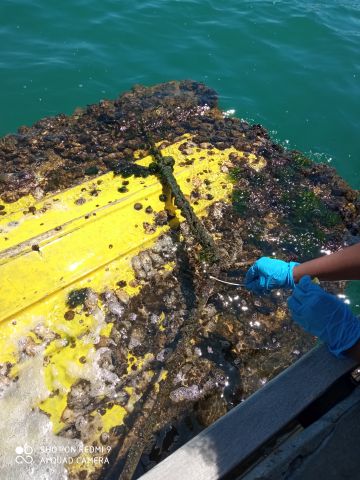
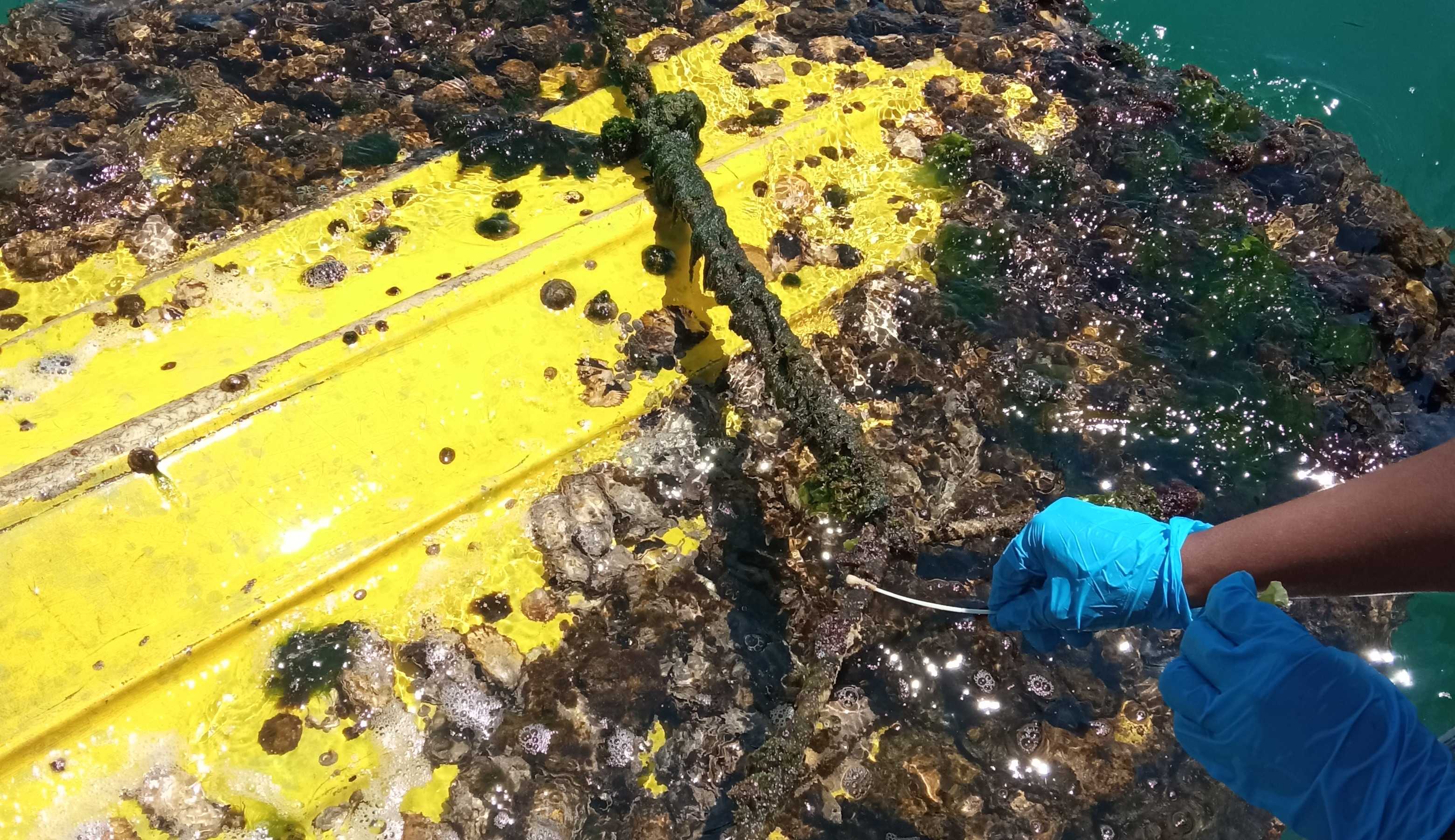
Biofouling, the accumulation of marine organisms on ship hulls, is a common problem for maritime transport.
According to data from the International Maritime Organization (IMO), around 9% of the fuel consumed by ships is related to the effect of marine biofouling. In addition, this increase in energy consumption may generate between 80 and 90 million tons of CO2 emissions per year.
The project is working on the development of solutions based on enzymes and microorganisms capable of hindering the formation of marine encrustations from their earliest stages. Artificial intelligence and bioinformatics tools are also being used to optimize the behavior and effectiveness of these compounds.
Another area of work focuses on developing protection systems that enable these biological additives to be incorporated into plastic materials intended for the maritime sector without losing their activity. In this field, AIMPLAS contributes its expertise in materials and advanced manufacturing processes.
The project also includes the design of prototypes and testing under real conditions to evaluate the performance of the developed solutions on vessels and marine structures.
Reducing the appearance of biofouling on vessels can not only decrease fuel consumption and pollutant emissions but also improve the maintenance and service life of marine structures.