














RE-CELL project develops materials for storing energy and aircraft lightweighting

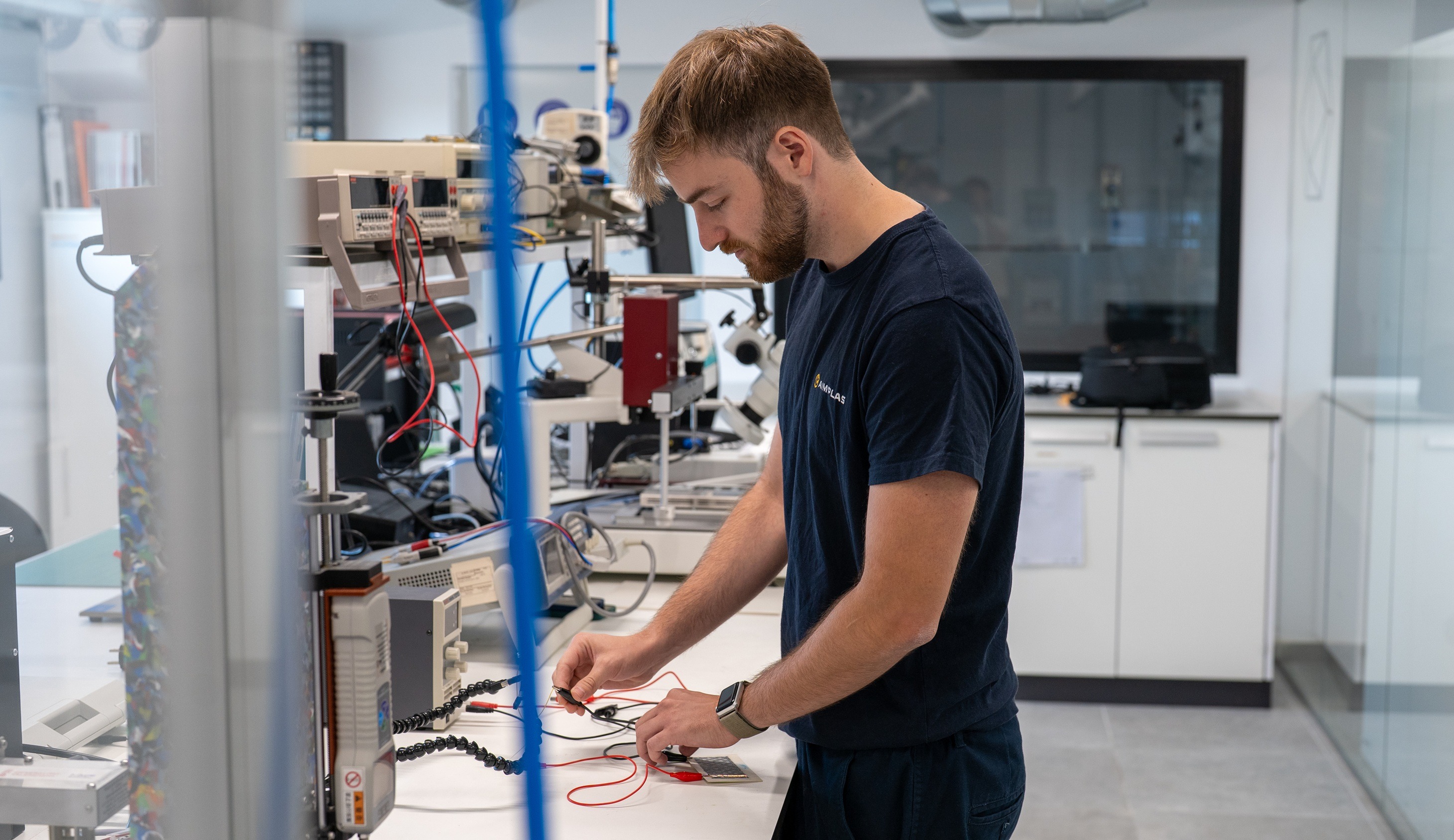
Coordinated by SOFITEC with the participation of AIMPLAS, the Plastics Technology Centre, and I2CON, the RE-CELL project is developing innovative supercapacitors and structural batteries based on recycled carbon fiber, capable of storing energy while simultaneously forming part of the aircraft structure itself.
The initiative proposes a paradigm shift in the design of aeronautical components through the use of multifunctional materials that combine mechanical properties with energy-storage capacity.
Recycled carbon fiber as basis for developing new materials
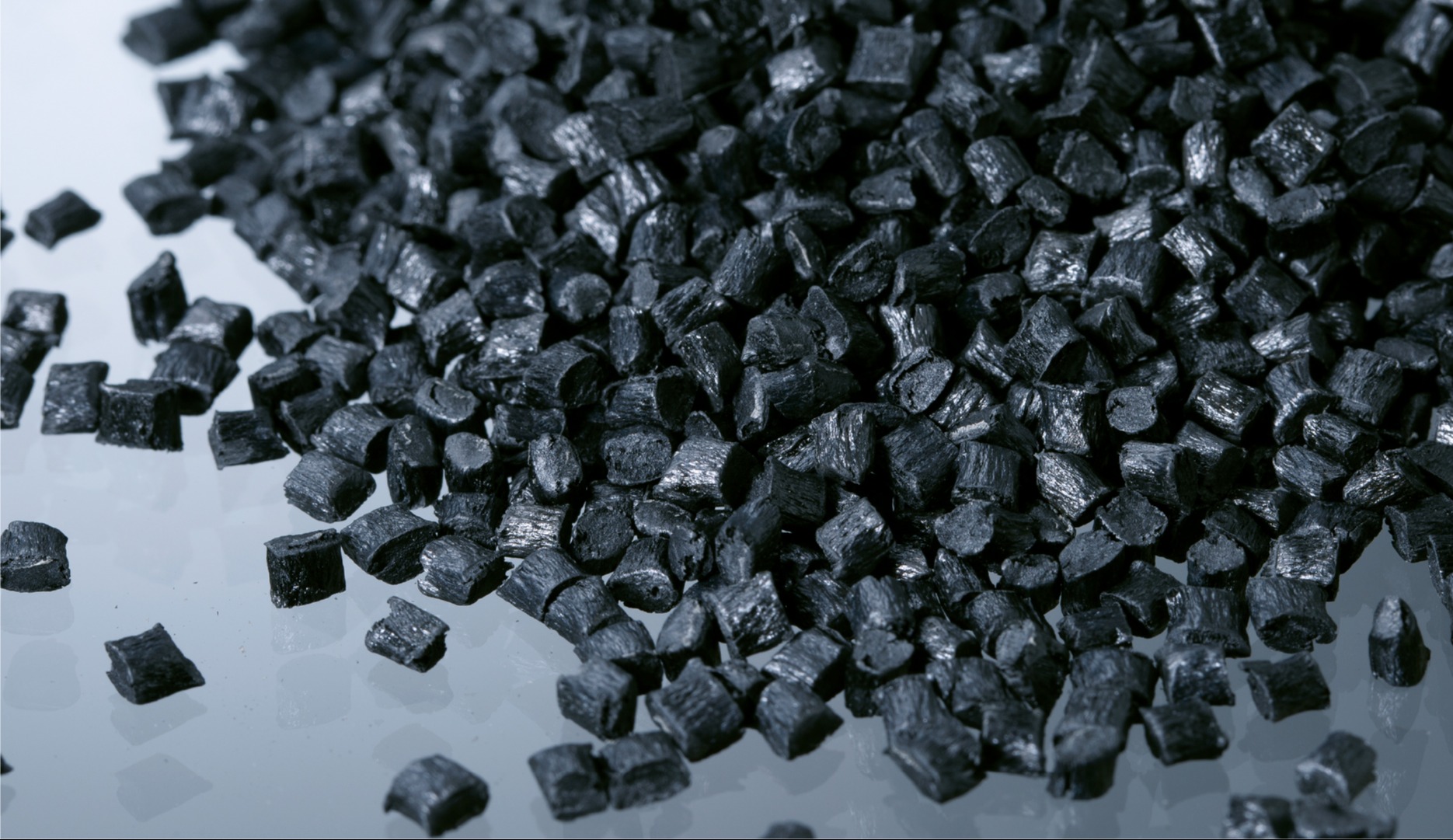
One of the project’s distinguishing features is the use of recycled carbon fiber as the basis for developing these new materials. This approach not only helps reduce waste in composite-intensive sectors but also supports progress towards a circular economy model in the aeronautics industry.
To achieve this, the project is developing advanced fiber recycling and treatment processes, as well as their integration into polymer matrices capable of providing structural and electrochemical performance at the same time.
Testing for real-world applications
The project addresses not only the development of new materials, but also some of the main scientific challenges that have so far limited the real-world application of structural batteries, including the development of functional solid electrolytes, the variability of recycled fibers and the complexity of the combined mechanical and electrochemical behavior.
“One of the project’s main advances is to address together phenomena that until now have been studied separately, such as ionic conduction and the material’s mechanical behavior. This integrated approach is essential to make the leap towards real applications,” said Florin Ardelean, a researcher in computational modelling and simulation at I2CON.
To meet these challenges, the consortium combines materials design, multiphysics modelling and experimental validation, bringing the technology closer to industrial application.