












Kirin and JSW achieve alkaline depolymerization technology for PET recycling

Kirin Holdings Company, Limited, through its Packaging Innovation Institute, and The Japan Steel Works, Ltd. (JSW), conducted a demonstration test of alkaline depolymerization technology capable of rapidly depolymerizing polyethylene terephthalate (PET) using production-scale equipment, with commercialization in mind.
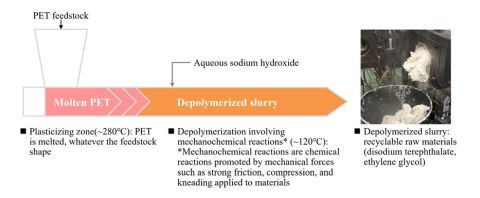
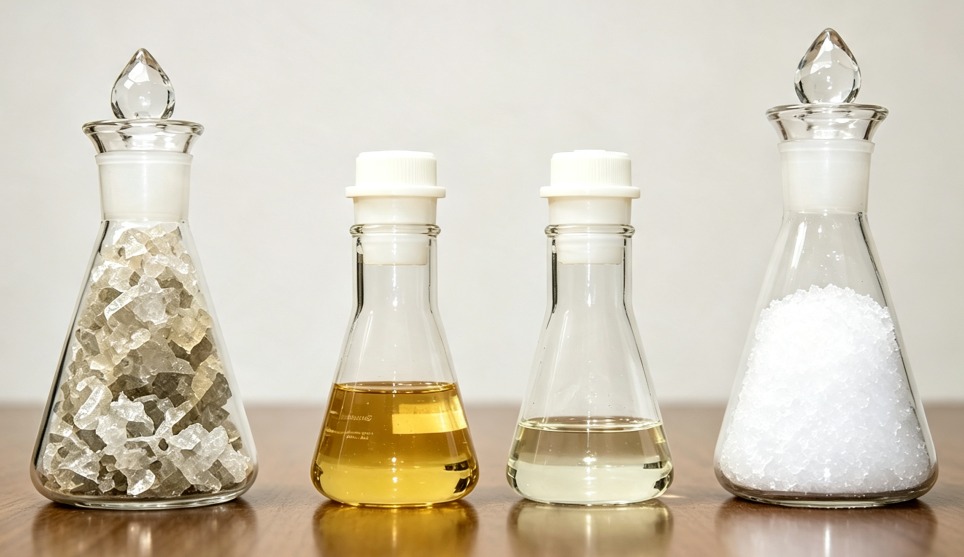
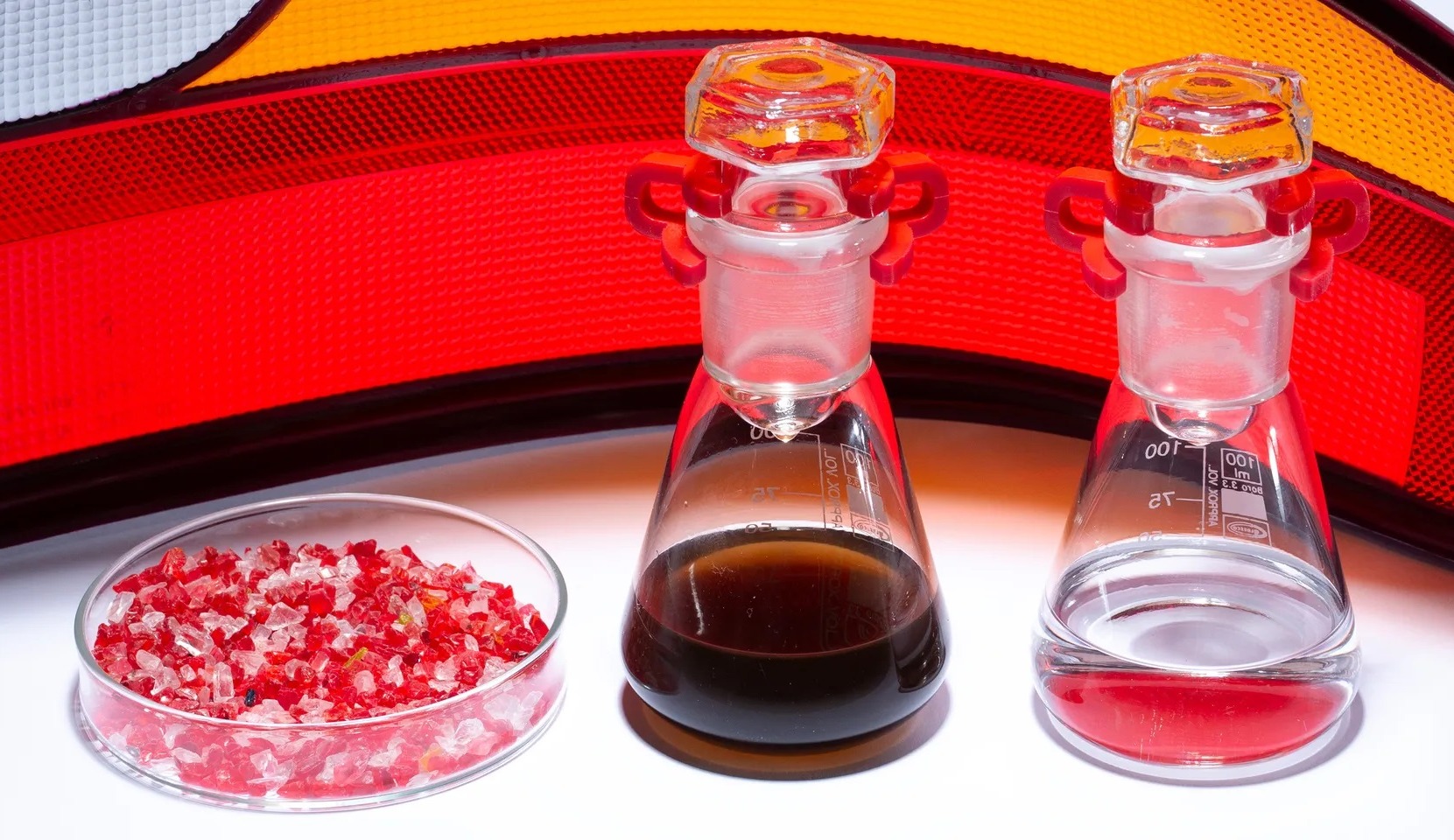
Overview of the alkaline depolymerization process.
This technology addresses challenges associated with conventional chemical recycling technologies, which typically require high temperatures and long reaction times. As a result, the companies depolymerized over 95% of the PET and established operating conditions enabling stable PET depolymerization at a throughput of 250 kg/h or greater.
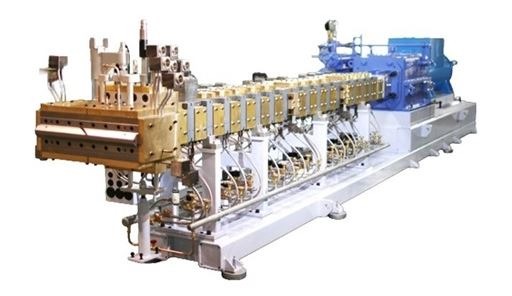
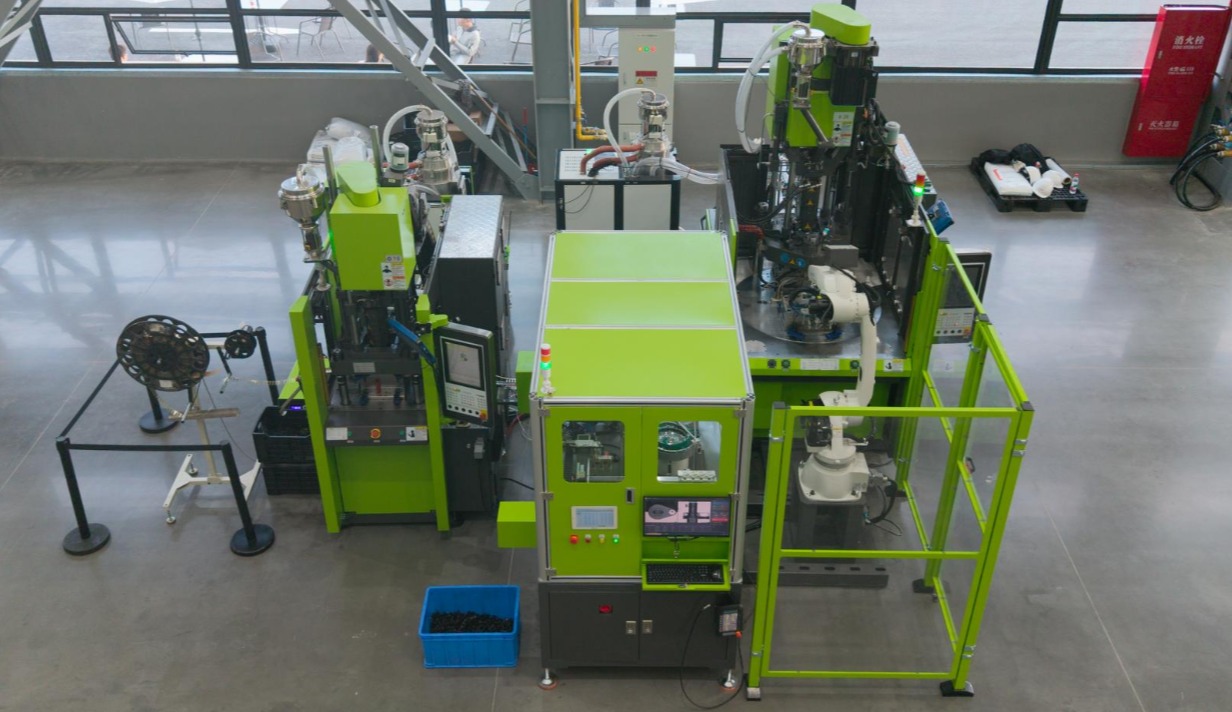
This initiative demonstrated the alkaline depolymerization technology developed by Kirin using JSW’s Twin Screw Extruder TEX αⅢ series. It represents the first such demonstration in Japan of an alkaline depolymerization process using this equipment under conditions designed to simulate a commercial-scale production process.
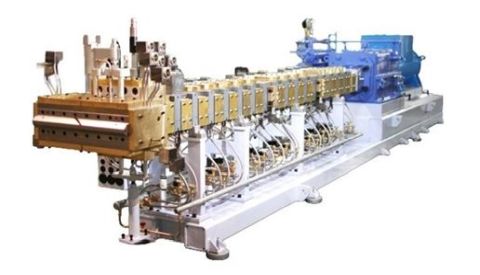
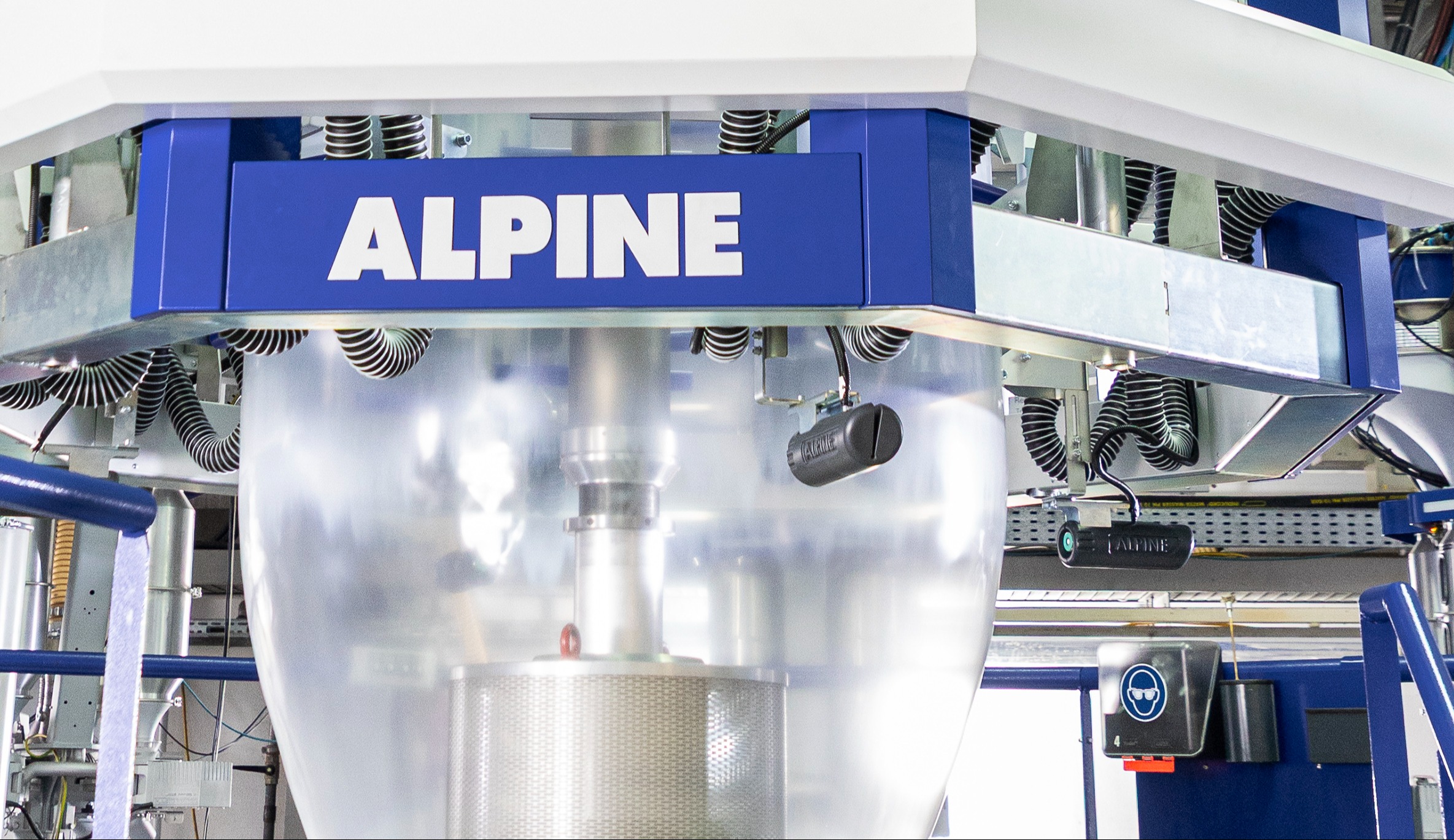
Twin Screw Extruder TEX αⅢ series used in the demonstration test.
Open for commercialization and sustainable packaging future
These achievements provided valuable knowledge regarding equipment specifications and operating conditions required for the design of commercial-scale processes and established the technological foundation for commercialization.
The achievement also contributes to advancing PET resource recycling and supports the Kirin Group’s goal of realizing “a society that circulates containers and packaging in a sustainable way,” as outlined in the Kirin Group Environmental Vision 2050.
Future outlook
Building on this technology, the companies will continue developing an integrated recycling process covering the entire value chain from PET collection and depolymerization to resource recovery.
They will also evaluate the applicability of the technology to a wide range of PET feedstocks, including non-food contact material grade PET materials, and accelerate efforts toward practical implementation and commercialization.
Furthermore, through collaboration with a diverse range of partners, including corporations, local governments, and research institutions, the companies will promote technology development and efforts toward practical implementation and commercialization, with the aim of advancing resource circulation and contributing to the realization of a sustainable circular economy.