


















Stratasys launches new large-format additive manufacturing platform

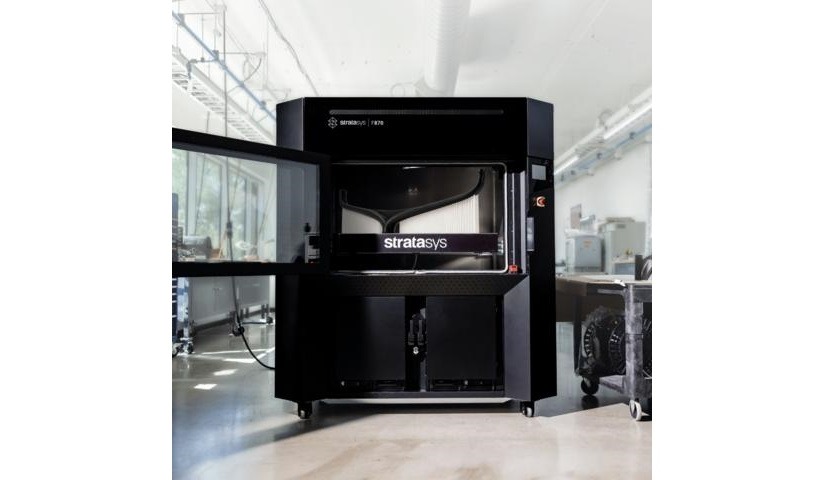
Stratasys launched the new F870 FDM system, a large-format additive manufacturing platform designed for industrial manufacturers, automotive OEMs, aerospace & defense production lines, looking to scale production on the factory floor.
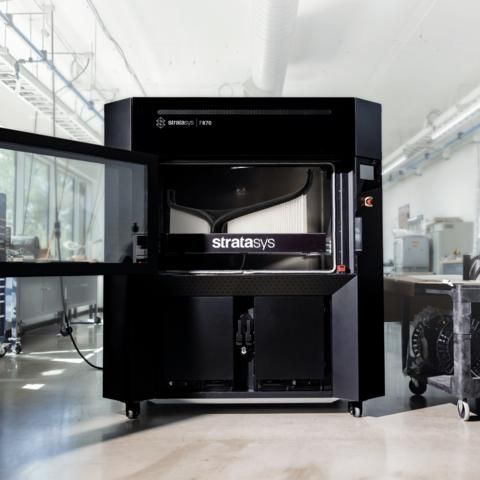
Stratasys’ F870 FDM system.
The F870 FDM machine addresses increasing manufacturing needs on larger, production-ready systems capable of producing tooling, fixtures, manufacturing aids and end-use parts at the size, throughput, and reliability needed for factory-floor deployment.
Larger production system supporting range of industrial-grade materials
Designed for production-support applications, the F870 features a build volume of 1000 x 610 x 610 mm and combines the market's longest build capacity in a fully heated chamber with a portfolio of industrial-grade materials, including Nylon 12CF, ASA, ABS and the new FDM ABS Draft (Gray).
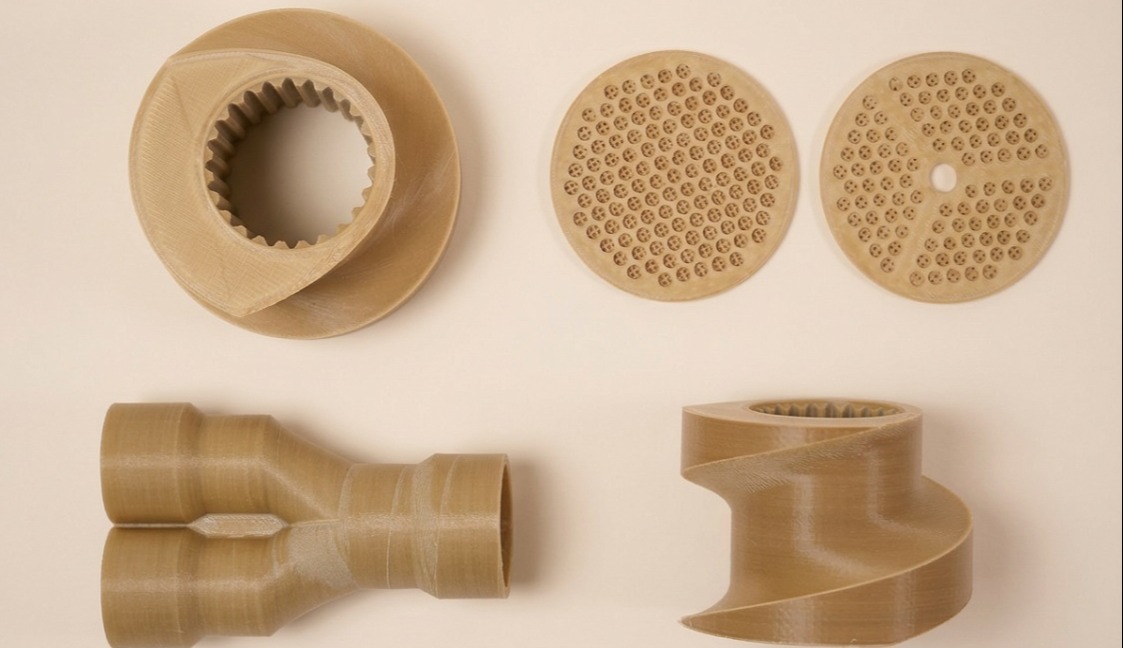
In particular, Nylon 12CF Carbon Fiber provides the strength, stiffness and durability required for demanding manufacturing-floor tooling and fixture applications.
The platform enables manufacturers to produce larger tooling, fixtures, manufacturing aids and end-use parts with the repeatability, durability and throughput required for factory-floor deployment.
Adopted by Toyota and Rivian Automotive
Systems are currently being adopted by leading manufacturers, including Toyota Production Engineering in Georgetown, Kentucky, and Rivian Automotive in Plymouth, Michigan.
These organizations are assessing the platform across a range of applications, from factory-floor tooling and manufacturing aids to advanced prototyping workflows, ahead of commercial availability.
Early deployments address customer needs for automotive tooling, manufacturing aids, and other production-support applications, including large fixtures, assembly tools, and inspection gauges that traditionally require lengthy machining lead times.
“The next challenge is expanding its use across more applications. The F870's combination of build size, material performance and industrial features aligns with the kinds of manufacturing needs we're looking to address,” said Dallas Martin, Additive Manufacturing Engineer at Toyota North America.