



















Automotive industry will continue to dominate TPE market till 2022, forecast Smithers Pira

The global market for thermoplastic elastomers (TPEs) will grow strongly across the next five years according to the latest exclusive research from Smithers Pira.
Its latest study, "The Future of Thermoplastic Elastomers to 2022", charts how this sector has expanded at a compound annual growth rate (CAGR) of 5.4% for since 2012 to reach 4.24 million tons in 2017.
Even though TPEs is an increasingly mature market, Smithers research shows this growth will continue at a rate of 5.5% across the next five years to hit 5.53 million tons in 2022.
Report author Patrick Ellis commented, "The success of thermoplastics depends on their acceptance and growth within a number of different industries. The automotive industry, being the most important consumer of TPEs, sets the pace here. Equally, the economic health and growth of any country and region has a real effect on the supply and demand of thermoplastic elastomers. If a given market is suffering, due to outside competition, this will have a knock-on effect on TPE consumption."
Smithers analysis sub-divides this booming market by TPE type, end-use application and geographic region.
Styrene-block-copolymer-based TPEs (TPS) have long dominated the global market, but it will slowly lose market share to other olefinic-based products over the next five years.
In 2022, it will still be the most important thermoplastic elastomer, but this may not last for very long. The main weaknesses of TPS are its higher price and the fact that there appear to be very few technical refinements in the pipeline.
The introduction of cross-linkable TPS is showing some promise, but this is still a long way from commercial introduction, according to the report. Furthermore the low barriers to market entry for TPS is ensuring that there will continue to be overcapacity for this material for 2017-2022, especially in Asia and in particular China.
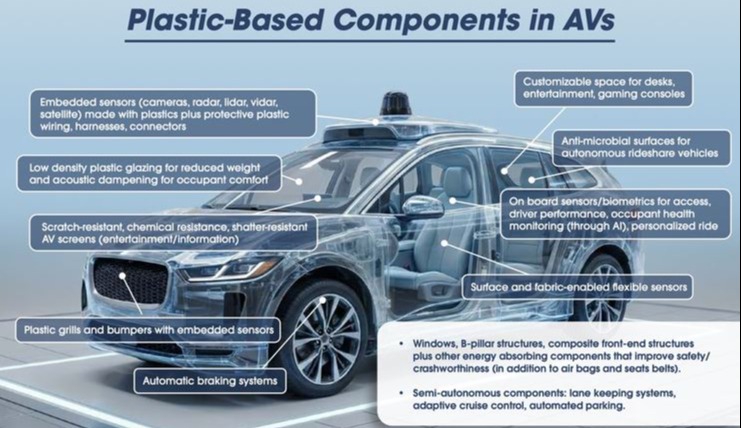
The principal end-use application for TPE is the automotive industry. This segment grew at an above average rate of 5.9% for 2012-2017 and reached 1.84 million tons – or 43.4% of the total market in 2017. The prediction for 2022 is a consumption of 2.46 million tons, representing a market share of 44.4% and a CAGR of 6.0%.
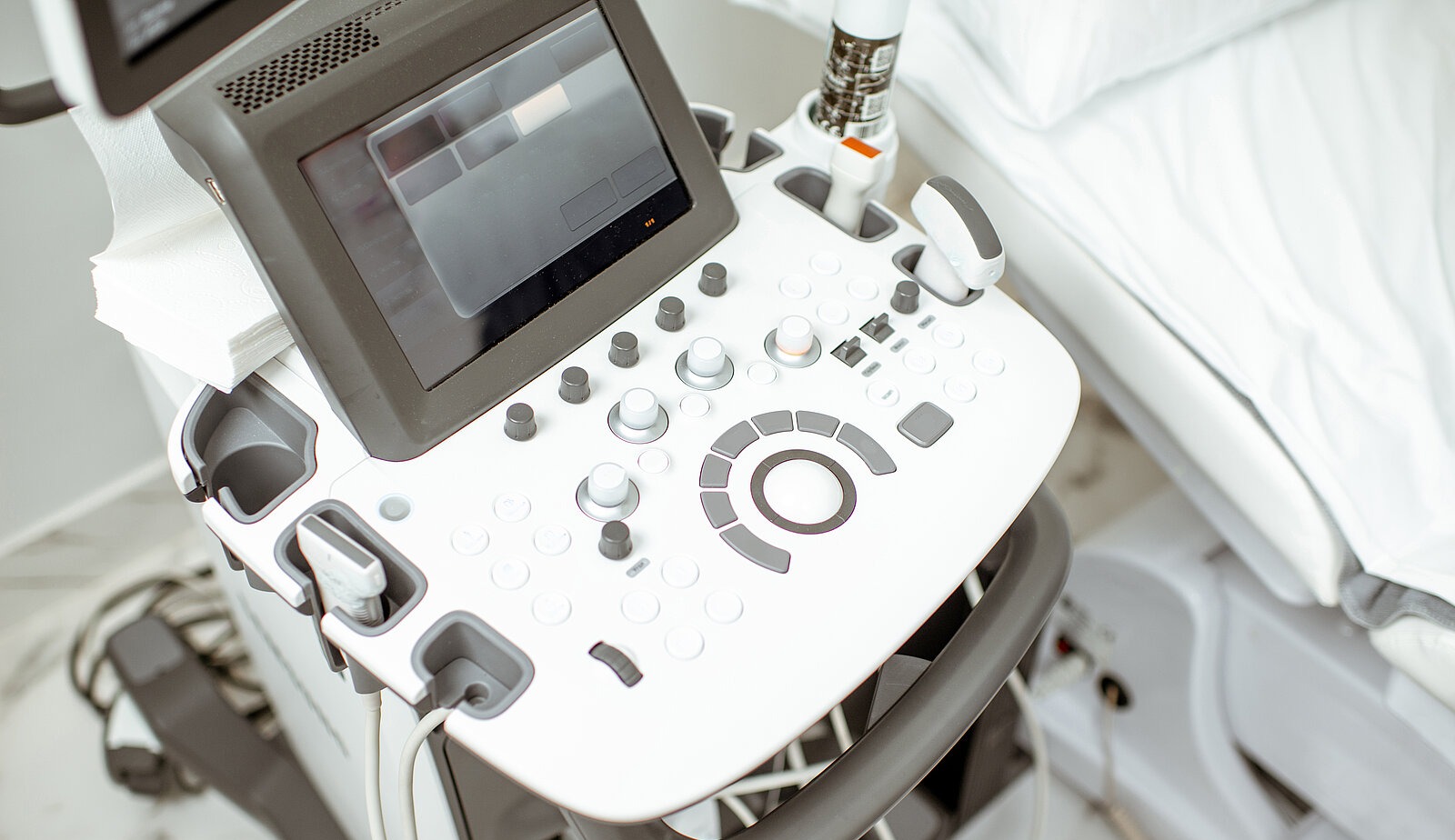
TPE demand in medical application is also forecast to witness above-average growth for the future, and to a lesser extent packaging. Appliances and housewares; building and construction; sports, leisure, toys; and wire and cable are showing less-than-average growth but are nevertheless growing above regional GDPs.