













Dow authorizes Ampac to sell its PacXpert packaging technology in North America

Dow Packaging and Specialty Plastics announced that flexible packaging converter, Ampac, is now a licensee of PacXpert Packaging Technology and is authorized to sell packages in North America.
Ampac will produce packages enabled by PacXpert Technology and will sell the packages to their customer base under the Ampac CubePak name.
Dow trademarked the technology as PacXpert after acquiring the global license to the innovative Smart Bottle technology on which PacXpert is founded.
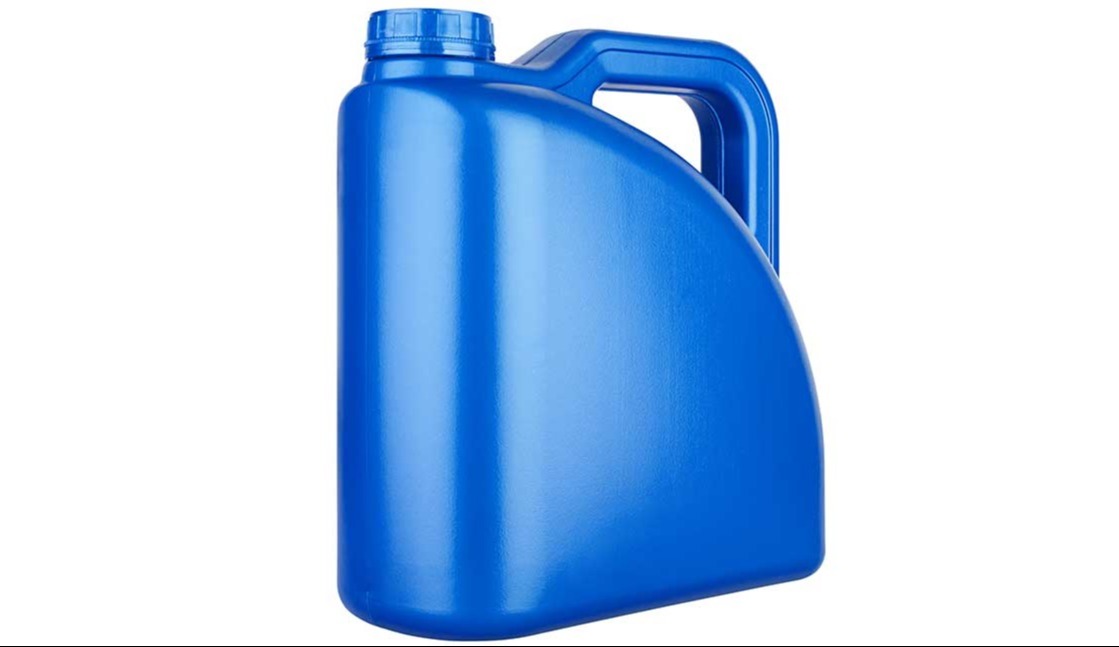
PacXpert Technology enables the conversion of large rigid plastic containers to easy-to-carry, flexible packaging options. The lightweight packaging design offers a fitment closure and integrated ergonomic dual handles, enabling precision pouring, easy reclosing and convenient carrying.
While flexible, PacXpert Technology is shelf stable and can stand upright or on its side once filled. Its visually-transparent packaging also allows consumers to see the contents within and graphics can be printed on all four sides.
"We look forward to working with Ampac as they become the first licensee of PacXpert Technology to bring this unique advancement to North America," says Heather Turner, New Business Development Leader, Dow Packaging and Specialty Plastics in North America, "The technology positions Ampac and Dow as solutions leaders in the packaging industry with the ability to offer customers sustainability benefits and convenience."
Potential applications include household, institutional, food service and industrial sectors for both liquids and dry good products.
According to Dow, the PacXpert technology reduces content waste by allowing consumers to achieve better product yield, and requires less raw materials during the manufacturing process when compared to rigid packaging alternatives.
It can ship and store flat when empty, increasing shipping and warehouse efficiency by eliminating Just In Time (JIT) delivery of rigid containers, and possibly reducing carbon dioxide emissions. When filled, the pouches form into a cube improving pack density. Also, when compared to rigid containers, this format uses less material and improves the product to package ratio.