


















Report shows there are numerous safe plasticizers for PVC medical devices

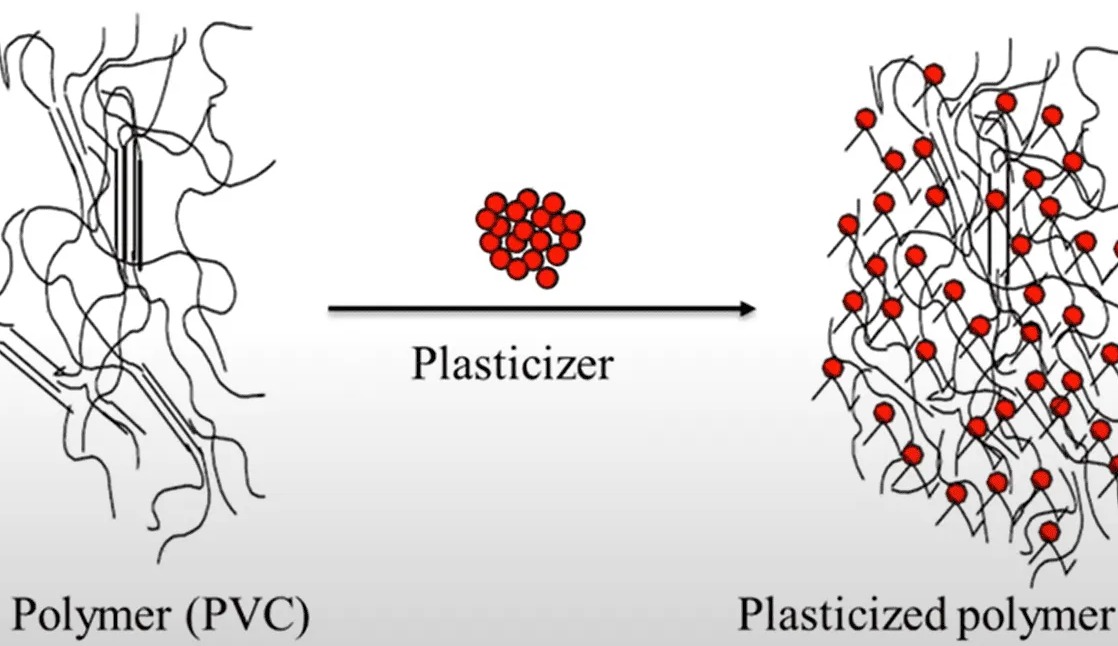
According to the report "Alternatives to classified phthalates in medical devices" done by Denmark authorities and supported by PVCMed Alliance, there are numerous safe plasticizers for PVC medical devices.
The Danish Environmental Protection Agency, the Danish Health and Medicines Authority and the PVC Information Council Denmark, a PVCMed Alliance partner, were involved in the study.
The Danish Environmental and Health authorities are presenting the conclusions of this report which is based on the evaluation of 10 existing PVC plasticizers. "The report concludes that most of the alternatives to DEHP that we evaluated for their human health and environmental hazard profiles are considered to be appropriate alternatives, but data are lacking for some of the alternatives, before a toxicological assessment can be carried out," says Shima Dobel from the Danish Environmental Protection Agency.
Members of the PVCMed Alliance, an industry representative organization, provided data on these plasticizers to the Danish authorities. "Many different plasticizers have been developed and are increasingly being used in a wide array of medical applications allowing medical professionals to benefit from PVC's unique properties for patient comfort, economic affordability and hospital hygiene. We encourage the value chain to commit to continuous improvement of safety in order to develop innovative products for all PVC healthcare applications," stresses Brigitte Dero, PVCMed Alliance representative.
Furthermore, the report outlines the need for certain types of medical devices to be "extremely soft and flexible" and "be able to offer the most efficient and qualitative treatment of patients".
As said, PVC-based healthcare applications have a fundamental role in ensuring this quality of healthcare thanks to PVC's technical properties including flexibility and resilience, softness, sterilizability, chemical stability, biocompatibility, clarity and transparency, durability and dependability, resistance to chemical stress cracking, low cost, among others.
"PVCMed believes this is a crucial discussion in order to continue ensuring patient safety and quality healthcare, even more so at a time of on-going review of the EU medical devices legislation and the Scientific Committee on Emerging and Newly Identified Health Risks (SCENIHR) scientific opinion on the use of phthalates in medical devices," explains Ole Gr?ndahl Hansen, Director of the PVC Information Council Denmark and Project Manager for the PVCMed Alliance.