

















Automotive
Krauss-Maffei introduces new mixing head for automotive structural parts
Jul 3, 2006

When it comes to production of sandwich parts, Krauss-Maffei's new mixing head Luchs II offers several advantages compared with other manufacturing techniques. The polyurethane mix is sprayed by a flat-fan nozzle without air infusion. The result is uniform material distribution, minimal overspray and a defined spray edge.
The mixing head is available in two sizes, which together cover the output range 20 to 150 g/s. The width of the spray pattern is determined by the distance between the mixing head and the target, and by the choice of spray nozzle. Spray cone widths up to 1,000 mm are possible, so that even large parts can be rapidly coated with a PU layer.
Immediately after each spray cycle, air-cleaning removes PU residues from the mixing head. The movement of the control piston opens the air nozzle automatically to allow the air jet to clean the head. This simple method substantially reduces the time taken for the cleaning step. Efficient cleaning makes Luchs II mixing heads an outstanding choice for processing high-speed PU systems.
One important application for the Luchs II is the manufacture of structural parts for the automotive industry. Roof modules, rear shelves or cargo trays are made as sandwich elements, with a honeycomb core sandwiched between glassfiber mats. The PU mix is discharged onto the glassfiber mat producing very thin PU layers. This produces parts with an extremely low weight per unit area. The weight reduction makes the technique attractive for the automotive industry which is keenly interested in reducing vehicle weight.
The mixing head is available in two sizes, which together cover the output range 20 to 150 g/s. The width of the spray pattern is determined by the distance between the mixing head and the target, and by the choice of spray nozzle. Spray cone widths up to 1,000 mm are possible, so that even large parts can be rapidly coated with a PU layer.
Immediately after each spray cycle, air-cleaning removes PU residues from the mixing head. The movement of the control piston opens the air nozzle automatically to allow the air jet to clean the head. This simple method substantially reduces the time taken for the cleaning step. Efficient cleaning makes Luchs II mixing heads an outstanding choice for processing high-speed PU systems.
One important application for the Luchs II is the manufacture of structural parts for the automotive industry. Roof modules, rear shelves or cargo trays are made as sandwich elements, with a honeycomb core sandwiched between glassfiber mats. The PU mix is discharged onto the glassfiber mat producing very thin PU layers. This produces parts with an extremely low weight per unit area. The weight reduction makes the technique attractive for the automotive industry which is keenly interested in reducing vehicle weight.
原创,请勿转载
Specials




Automotive







Comments


Specials
Chemicals
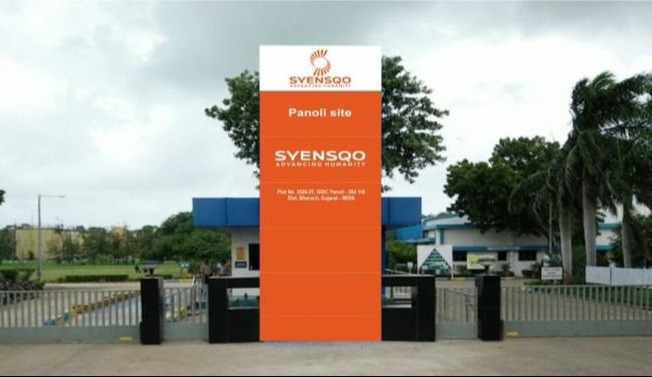
Syensqo is investing in a new compounding line for high-performance aromatic polymers at its Panoli site in India, strengthening its ability to serve customers in one of the world’s fastest-growing automotive markets.
Sep 8, 2026
Injection
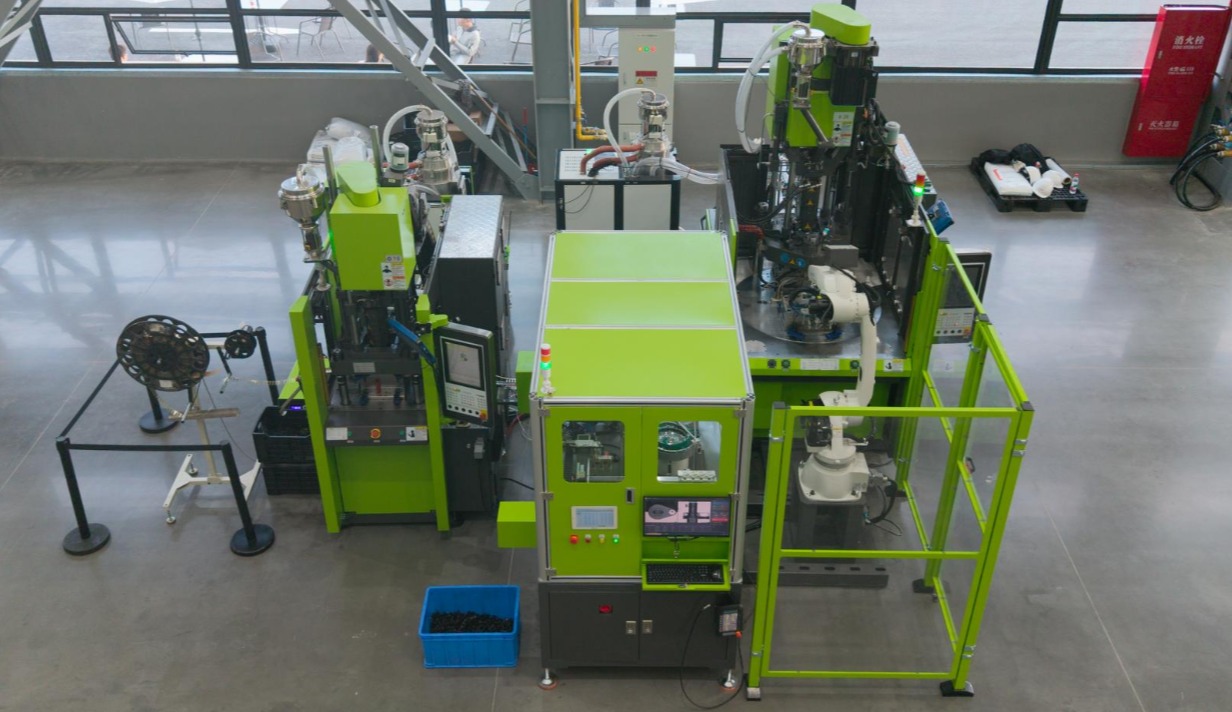
All‑in‑One ABS Sensor Solution: One solution for precision insert molding and housing encapsulation. Strip feeding, insert molding, housing encapsulation and finished-part takeout.
Aug 31, 2026
Automotive
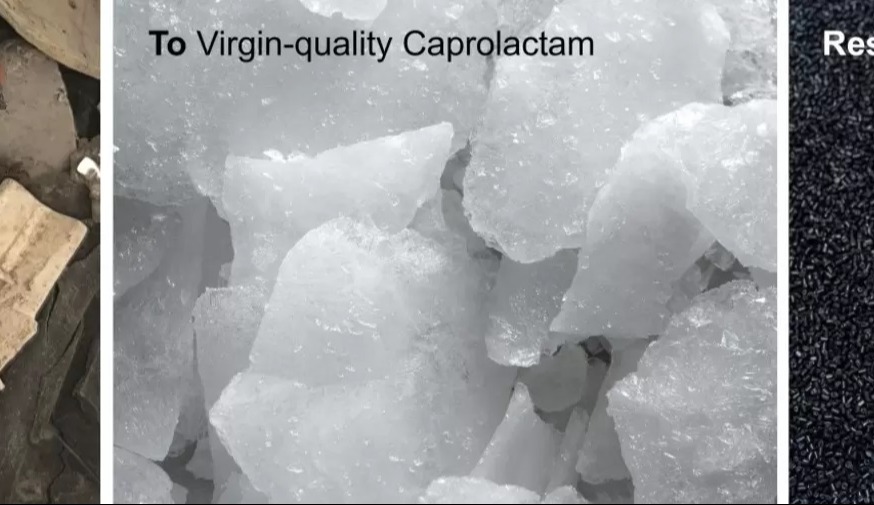
Envalior and SECARA collaborate to test and validate pathways to incorporate high-quality PCR content into technical material grades based on SECARA’s novel catalytic depolymerization process.
Aug 28, 2026
Automotive
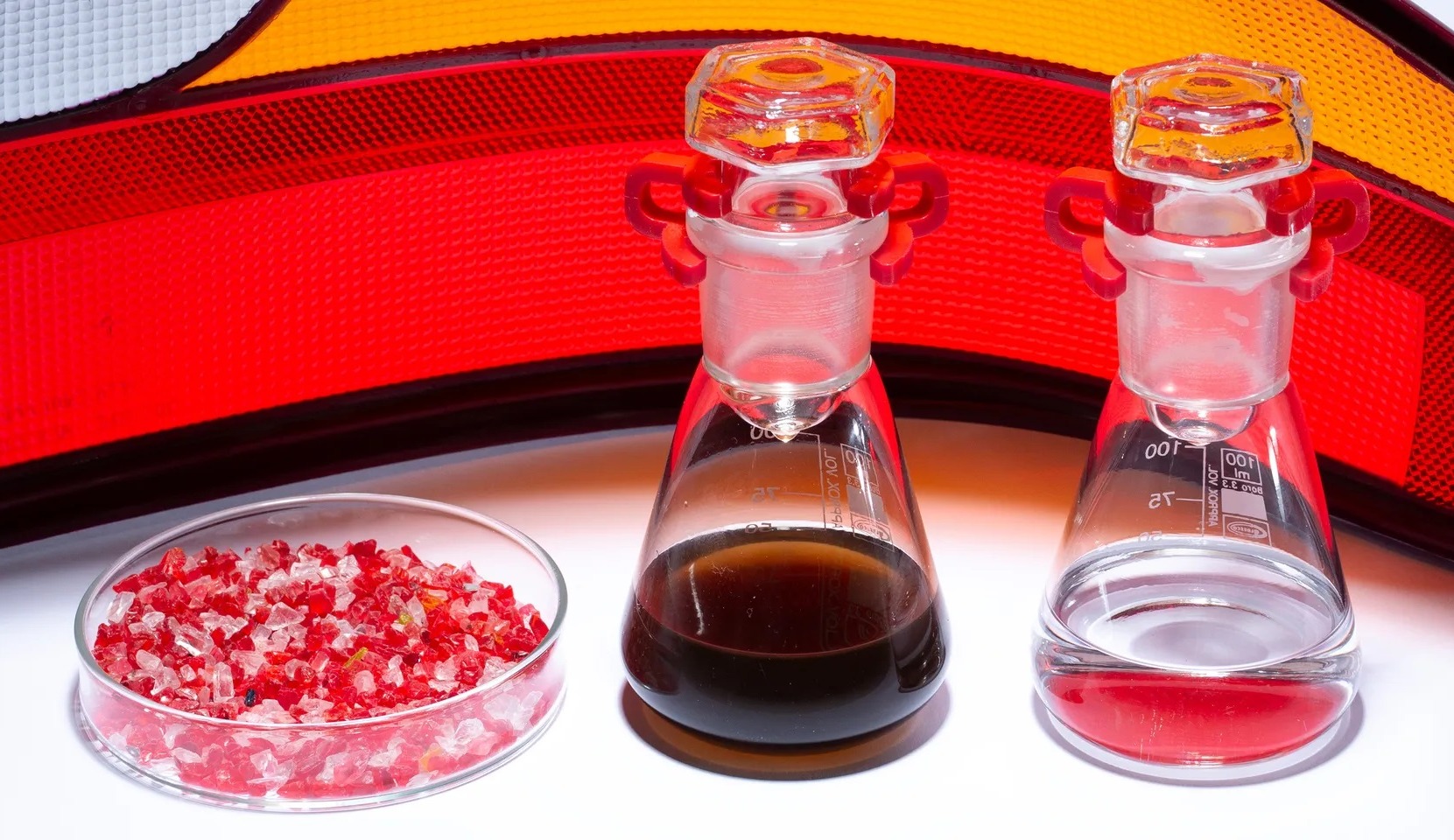
As EU’s End-of-Life Vehicles Regulation was confirmed, Röhm’s PLEXIGLAS PMMA contributes to the circularity in future mobility, supporting customers with recycled materials.
Aug 27, 2026

Automotive
American Chemistry Council (ACC) has published a new report “Plastics and Chemistry in Automobiles”, which reveals the increasing importance of plastics in vehicles.
Aug 20, 2026
Automotive
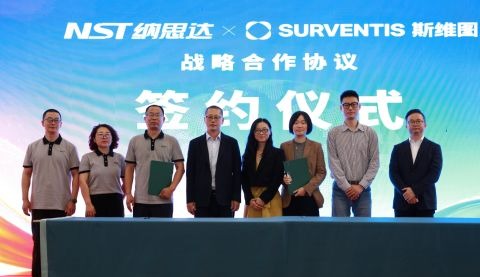
Surventis (formerly BASF Coatings) and NST have signed a strategic cooperation agreement to support the development of automated painting applications in the automotive refinish industry.
Aug 18, 2026