




















Automotive
Exatec introduced new product on "Plastics in Automotive Engineering" congress
Mar 31, 2006

On the "Plastics in Automotive Engineering" congress held from March 29 to 30 in Mannheim, Germany, Exatec introduced its new product, Exatec 900el.
At the event Exatec showcased the prototype of an electroluminescent interior light-band in different colors directly integrated into polycarbonate glazing panels. This is made possible by an electroluminescent light band, which is integrated by a special process directly into the perimeter of the transparent polycarbonate car roof. The roof was manufactured using the Exatec 900 technology and the light band applied directly onto a film. The illumination intensity conforms to the legal regulations and does not exceed the allowed level. The new technology Exatec 900el allows drivers and passengers to adjust the brightness of the interior lighting to suite their individual needs.
The electroluminescent light-bands consist of a stack of layers that work, in principle, like a capacitor. Between a front and a rear electrode there is a layer of luminescent pigment, which, together with the encapsulating product, forms the insulating layer (dielectric). When a voltage is applied to one of these electroluminescent cells, the color pigments begin to shine due to the current.
This technology is suitable for compact integration in the vehicle because the large luminous areas are dazzle and shadow-free and do not need to be built into the interior like a normal light.
原创,请勿转载
Specials



Automotive



Comments
Specials
Automotive
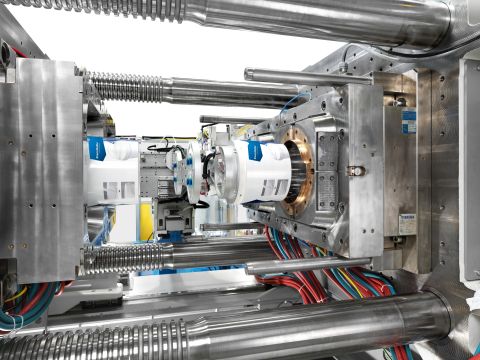
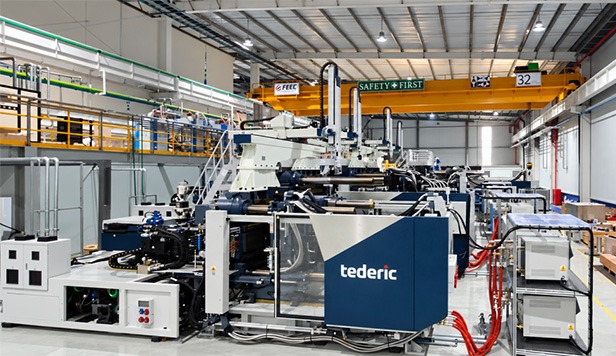
Tederic delivered its first large-scale overseas project in the automotive lighting sector at the Thailand plant of Varroc, a leading Indian automotive components manufacturer.
Oct 28, 2026
Automotive
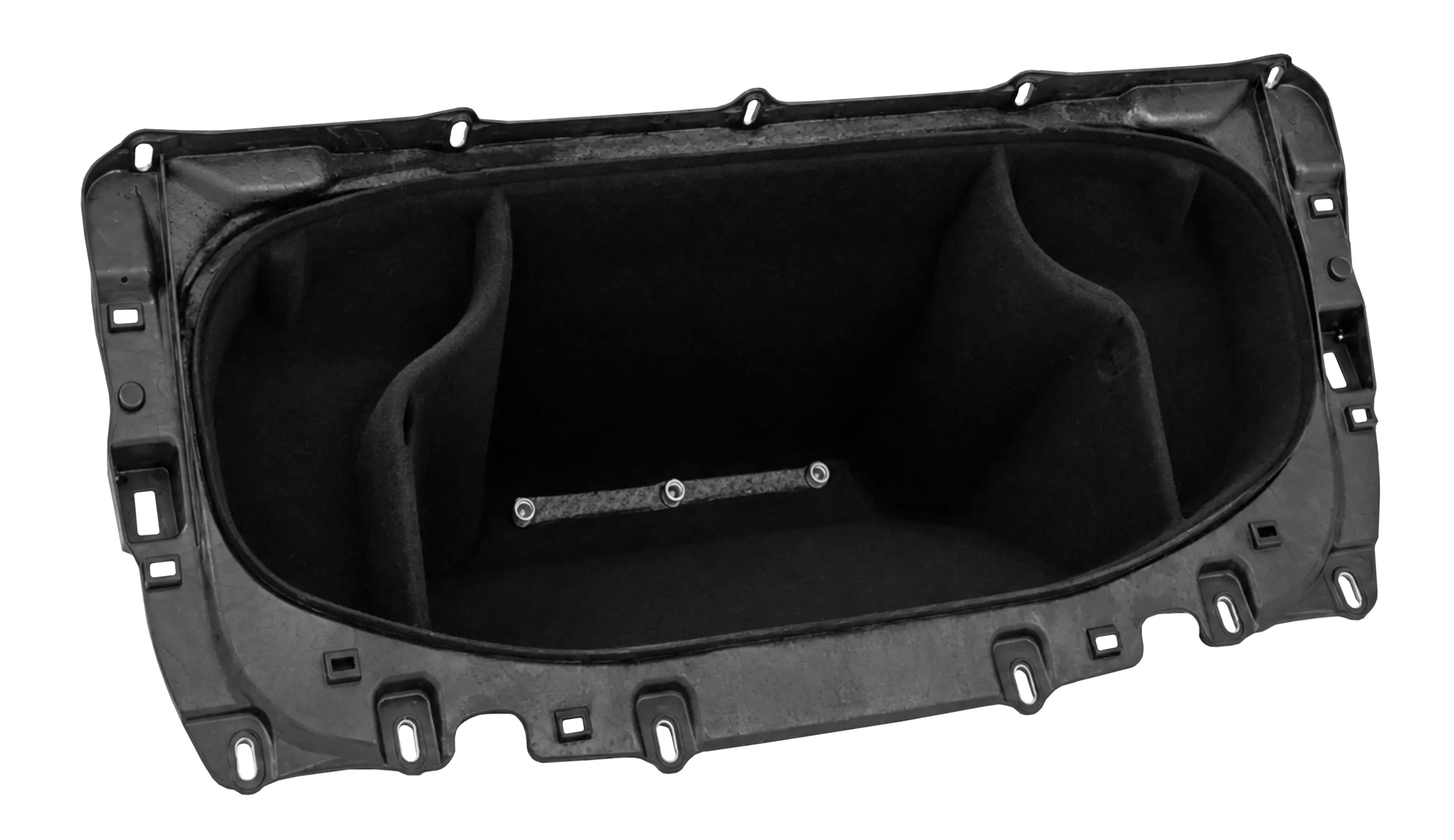
Röchling Automotive has made a breakthrough in structural lightweight design for automotive – the first plastic frunk that doubles as both storage space and a highly robust structural chassis component.
Oct 21, 2026

Chemicals
At Fakuma 2026, HEXPOL Thermoplastics presents a further expansion of its automotive materials portfolio containing post-consumer recycled (PCR) content.
Oct 14, 2026
Injection
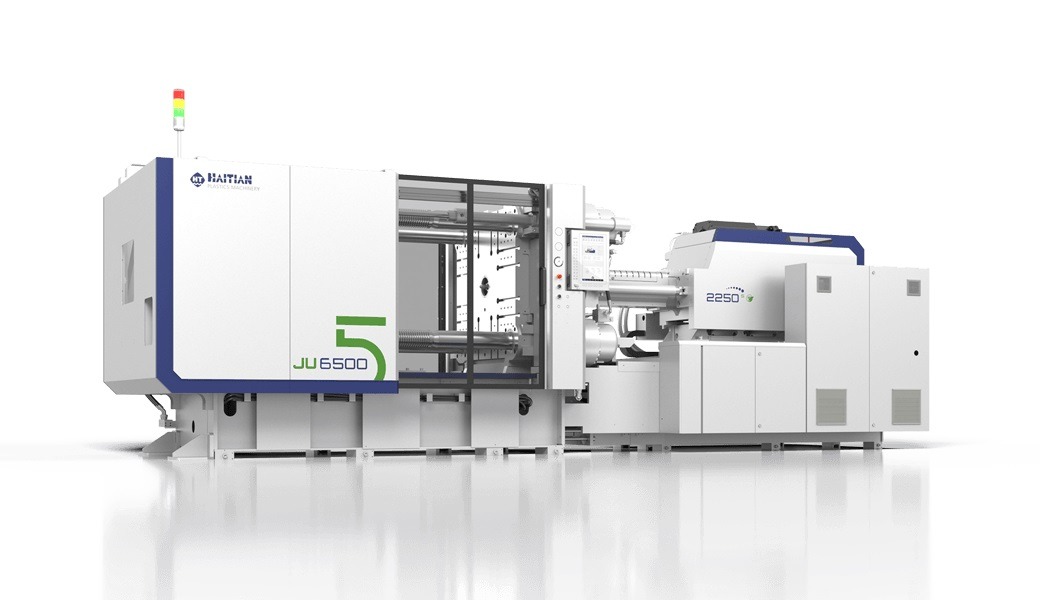
At Fakuma 2026, Haitian will showcase two machines live – Haitian Jupiter two-platen series for automotive application and the 5th generation Zhafir Zeres F with caps & closures app.
Oct 8, 2026
Chemicals
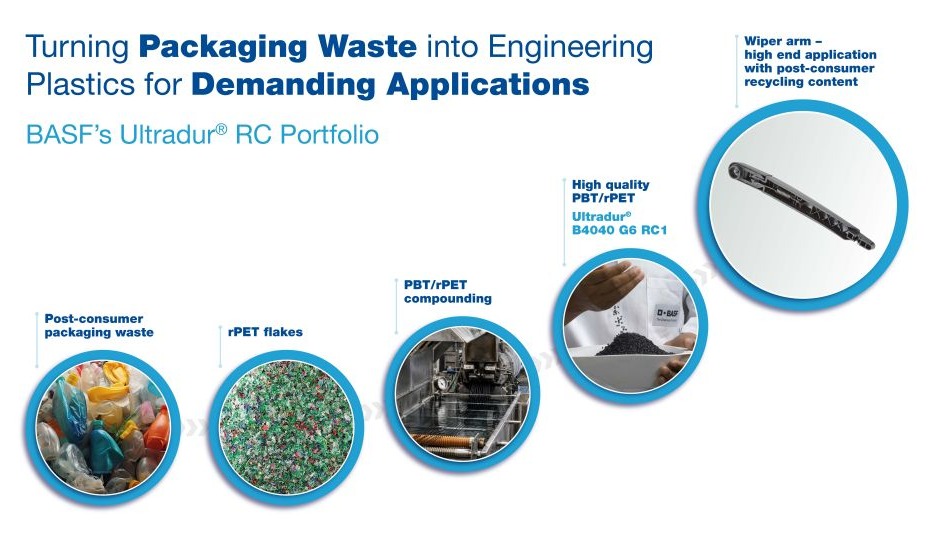
BASF is expanding its portfolio of engineering plastics with new Ultradur grades – a glass fiber-reinforced PBT/PET compounds containing up to 30% post-consumer recycled content.
Oct 7, 2026
Injection
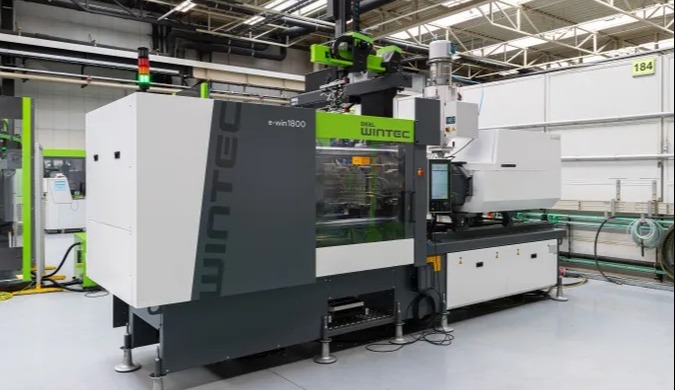
At Fakuma 2026, ENGEL will demonstrate production of automotive connectors with the electric WINTEC e-win 1800 and the new viper 6.
Oct 6, 2026