
















Automotive
Siemens VDO pioneers automotive use of Stanyl PA46
Mar 1, 2006

Stanyl polyamide 46 (PA46), often used in non-automotive e-motor end-laminates thanks to its thin-wall strength and heat resistance, finds its first in-car use in an automatic braking system (ABS) pump motor by Siemens VDO.
In the compact, newly designed e-motor, Stanyl resin enables a 0.4-0.6mm, ultra-thin-wall design that maximizes both the laminate size and the number of wire windings. It provides a cost-effective way to optimize the motor assembly process while insulating the wire windings electrically from the metal rotor armature. The Stanyl end-laminate retains working rigidity and dimensional stability up to 290°C, higher than most thermoplastics subjected to wire winding tension load.
In direct current (DC) e-motors, wire windings around metal rotor induce a magnetic flux. This energy causes the motor armature to rotate within an encompassing magnetic field, usually provided by permanent magnets around the armature.
Relatively speaking, Stanyl allows either thinner end-laminates, which result in a more stable winding process, or larger e-motor sizes suited for cost-effective usage of end-laminates. Ultra-thin end-laminates, which position and insulate the wires using the smallest possible volume, help reduce assembly and system costs due to the excellent toughness and flow of the material.
"Stanyl resins have been used extensively in e-motors outside of automotive, but Siemens VDO is providing the first purely in-car application," said Richard Frissen, ADTS Manager Automotive for DSM Engineering Plastics.
"When Siemens VDO engineers began the search for the right material, they were aware of Stanyl's suitability for high heat applications as a result of the company's longstanding collaborative relationship with DSM. Together we were able to design the right end-laminate for this need, one that provides a good balance of economics and rigorous functionality."
In the compact, newly designed e-motor, Stanyl resin enables a 0.4-0.6mm, ultra-thin-wall design that maximizes both the laminate size and the number of wire windings. It provides a cost-effective way to optimize the motor assembly process while insulating the wire windings electrically from the metal rotor armature. The Stanyl end-laminate retains working rigidity and dimensional stability up to 290°C, higher than most thermoplastics subjected to wire winding tension load.
In direct current (DC) e-motors, wire windings around metal rotor induce a magnetic flux. This energy causes the motor armature to rotate within an encompassing magnetic field, usually provided by permanent magnets around the armature.
Relatively speaking, Stanyl allows either thinner end-laminates, which result in a more stable winding process, or larger e-motor sizes suited for cost-effective usage of end-laminates. Ultra-thin end-laminates, which position and insulate the wires using the smallest possible volume, help reduce assembly and system costs due to the excellent toughness and flow of the material.
"Stanyl resins have been used extensively in e-motors outside of automotive, but Siemens VDO is providing the first purely in-car application," said Richard Frissen, ADTS Manager Automotive for DSM Engineering Plastics.
"When Siemens VDO engineers began the search for the right material, they were aware of Stanyl's suitability for high heat applications as a result of the company's longstanding collaborative relationship with DSM. Together we were able to design the right end-laminate for this need, one that provides a good balance of economics and rigorous functionality."
原创,请勿转载
Specials




Automotive
DSM





Comments





Specials
Chemicals
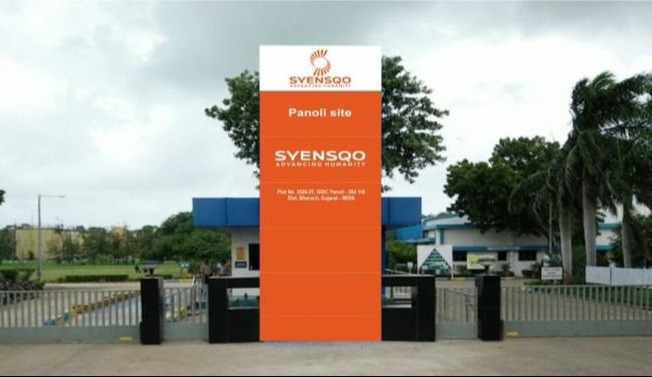
Syensqo is investing in a new compounding line for high-performance aromatic polymers at its Panoli site in India, strengthening its ability to serve customers in one of the world’s fastest-growing automotive markets.
Sep 8, 2026
Injection
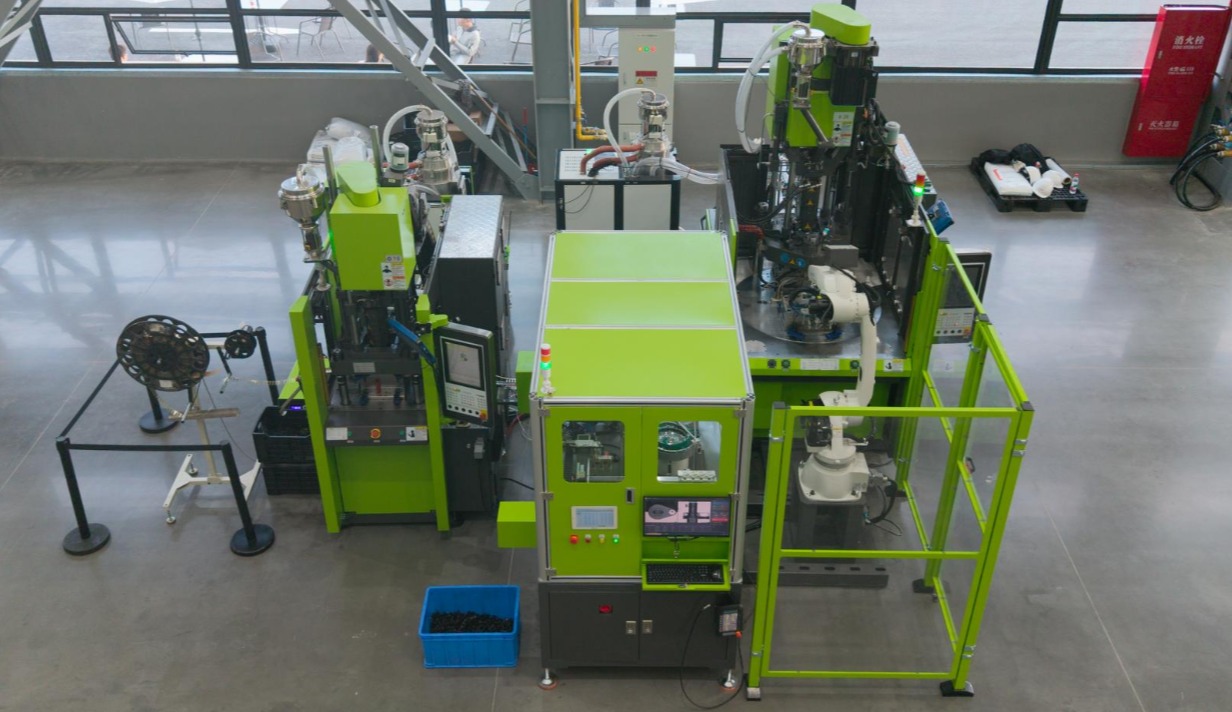
All‑in‑One ABS Sensor Solution: One solution for precision insert molding and housing encapsulation. Strip feeding, insert molding, housing encapsulation and finished-part takeout.
Aug 31, 2026
Automotive
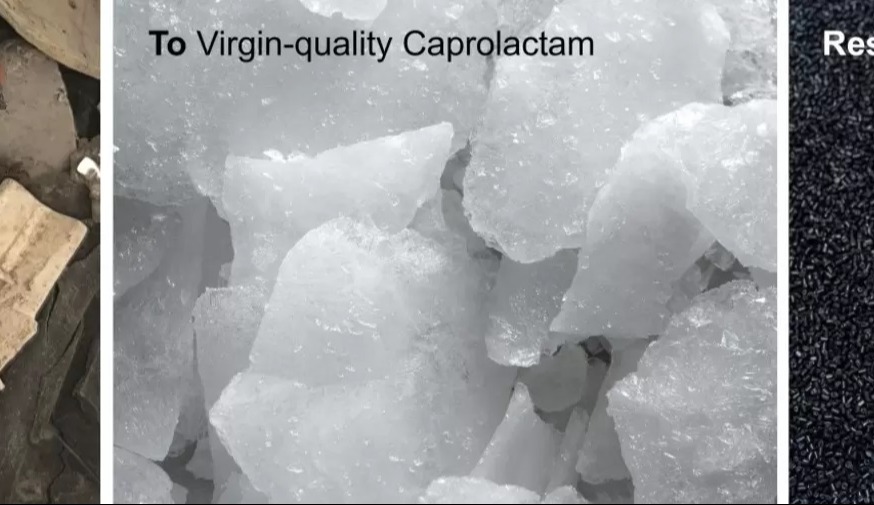
Envalior and SECARA collaborate to test and validate pathways to incorporate high-quality PCR content into technical material grades based on SECARA’s novel catalytic depolymerization process.
Aug 28, 2026
Automotive
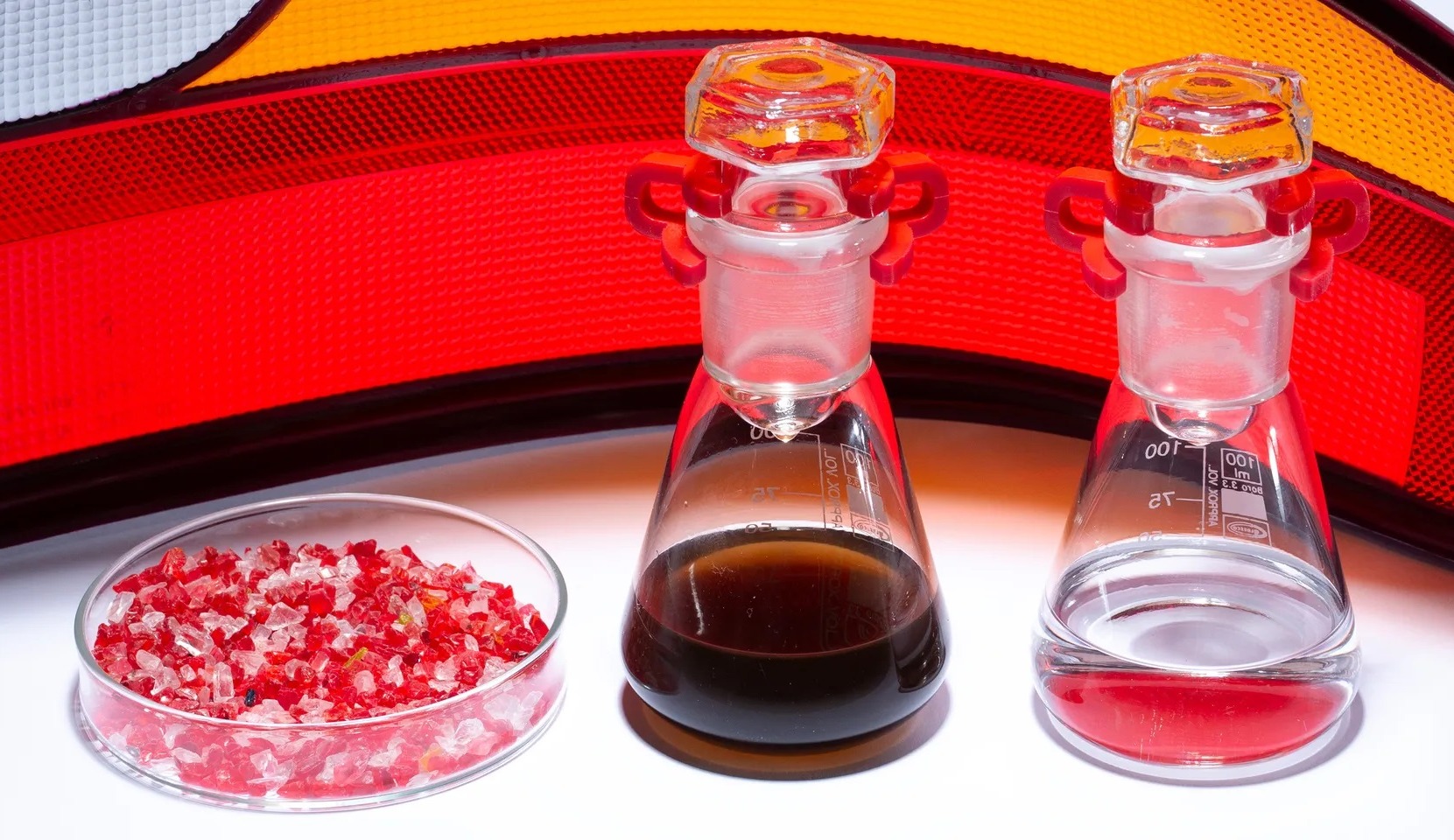
As EU’s End-of-Life Vehicles Regulation was confirmed, Röhm’s PLEXIGLAS PMMA contributes to the circularity in future mobility, supporting customers with recycled materials.
Aug 27, 2026
Automotive
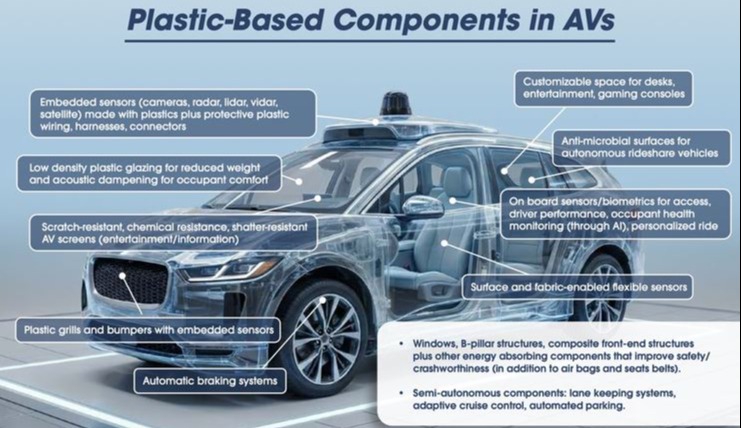
American Chemistry Council (ACC) has published a new report “Plastics and Chemistry in Automobiles”, which reveals the increasing importance of plastics in vehicles.
Aug 20, 2026
Automotive
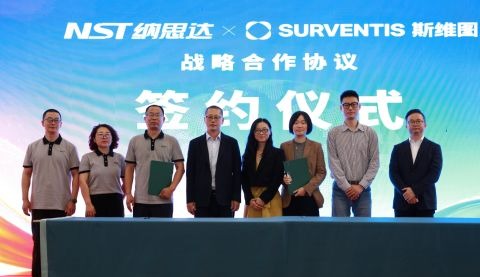
Surventis (formerly BASF Coatings) and NST have signed a strategic cooperation agreement to support the development of automated painting applications in the automotive refinish industry.
Aug 18, 2026