












Origin Materials and Husky achieve commercialization of PET/F hybrid polymer for packaging

Carbon negative materials company Origin Materials and processing technologies provider Husky Technologies achieved a milestone in the commercialization of PET (polyethylene terephthalate) incorporating the bio-based chemical FDCA (furandicarboxylic acid) for advanced packaging and other applications.
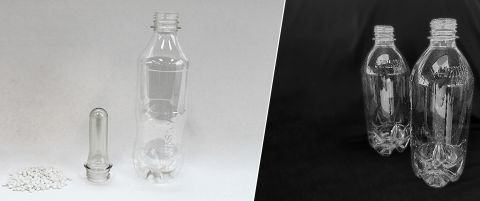
In the collaboration, Origin successfully polymerized FDCA into the common recyclable plastic, PET, and Husky molded the resulting “PET/F” hybrid polymer into preforms that were then blown into bottles.
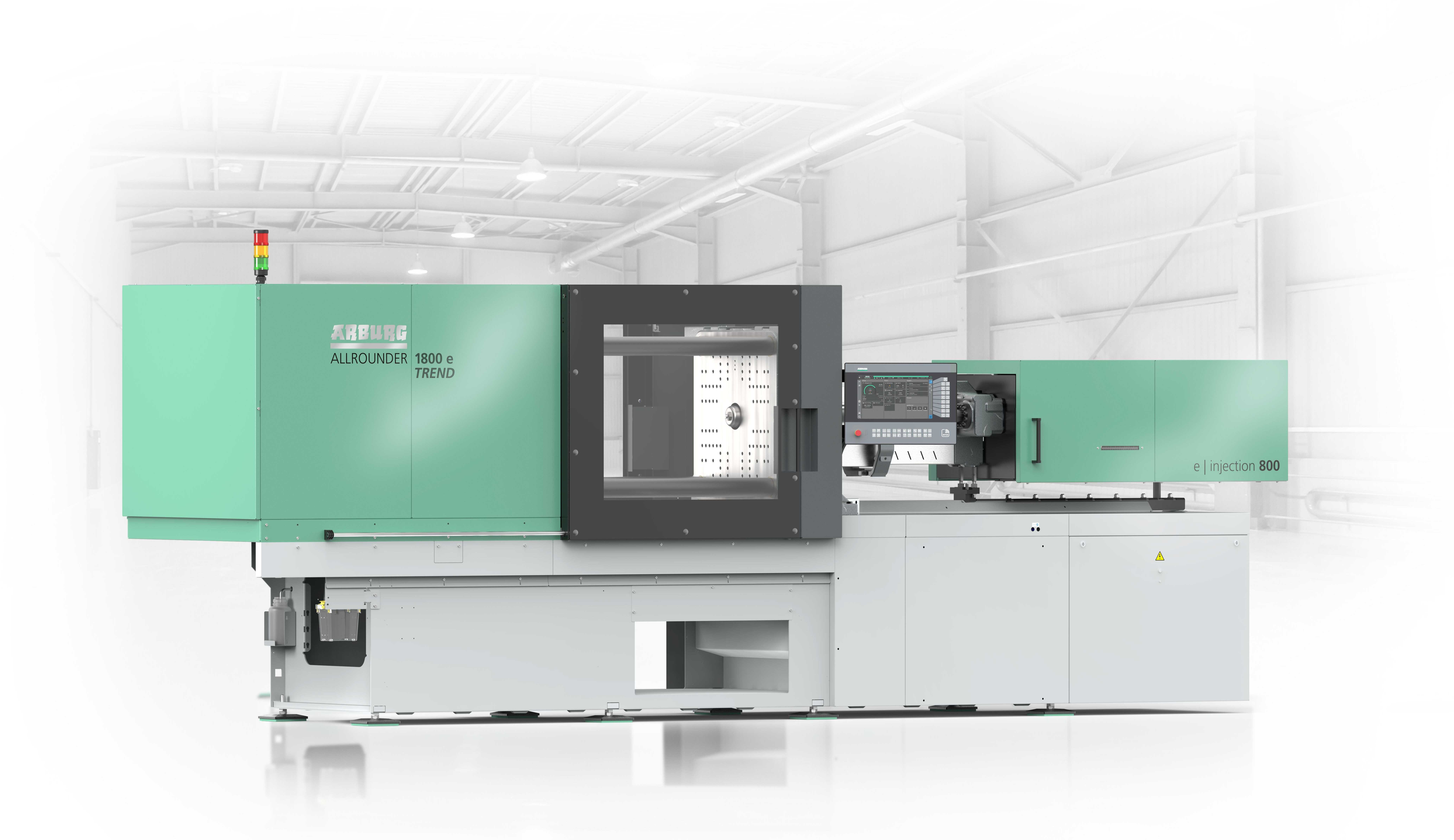
The partners used Husky’s commercial-scale injection molding technologies and manufacturing equipment, demonstrating that PET/F can be integrated into existing PET production systems.
Origin anticipates that PET/F will enable longer shelf life with enhanced mechanical performance and excellent barrier properties by adjusting manufacturing conditions and the quantity of FDCA copolymer.
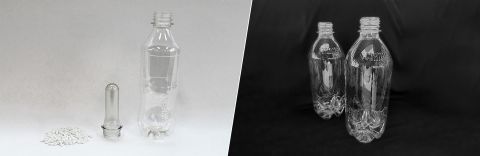
Recyclable PET polymer incorporating FDCA successfully processed into preforms and subsequently bottles.

Husky’s technologies and equipment were used to demonstrate that PET/F can be integrated into existing production systems.
Commercial-scale production to come
Origin plans to develop and launch a family of 100% bio-based, low-carbon PET/F polymers, offering full recyclability and superior performance compared with conventional PET.
This innovation demonstrates a pathway for the drop-in market adoption of FDCA to produce superior polymers cost-effectively from biomass using Origin technology. Origin expects to enable the production of FDCA, PEF (polyethylene furanoate), and PET/F at commercial scale using its patented technology platform.
FDCA is a chemical building block with diverse applications including polyesters, polyamides, polyurethanes, coating resins, and plasticizers. It is also the precursor for PEF.
PEF, another product derived from FDCA, offers a combination of sustainability and performance benefits for packaging. Origin’s PEF is expected to be 100% bio-based, fully recyclable, and offer a significantly reduced carbon footprint with superior strength, thermal properties, and barrier properties.