




















SABIC’s renewable LEXAN PC for Charge Amps’ EV charger housings

SABIC and Charge Amps collaborated in manufacturing industry-first electric vehicle (EV) chargers with a housing made from SABIC’s certified renewable LEXAN polycarbonate (PC).

SABIC’s renewable PC for Charge Amps’ EV charger housing.
Renewable LEXAN PC
Under the TRUCIRCLE portfolio, SABIC’s LEXAN PC is made from second-generation bio-feedstock that does not compete within the food chain. The renewable material is accredited under the ISCC PLUS certification regime.
The new industrial process contributes to reduce CO2 emissions in manufacturing and installation, and fully meets Electric Vehicle Supply Equipment (EVSE) regulations.
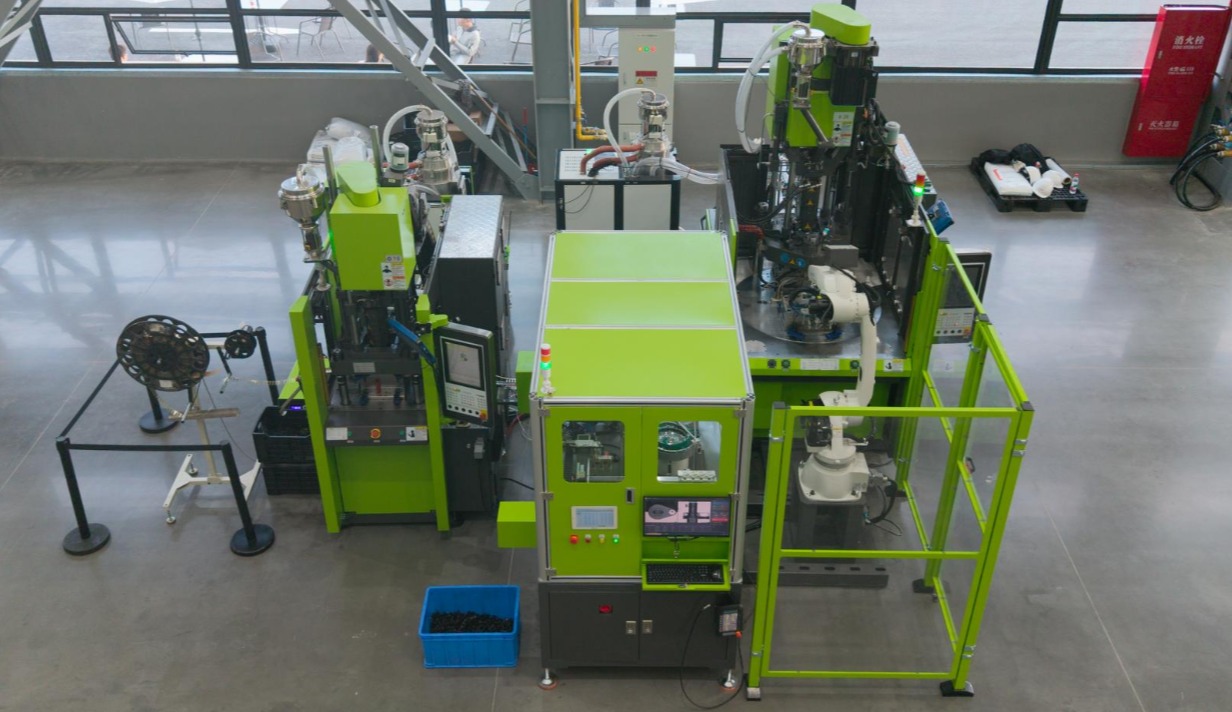
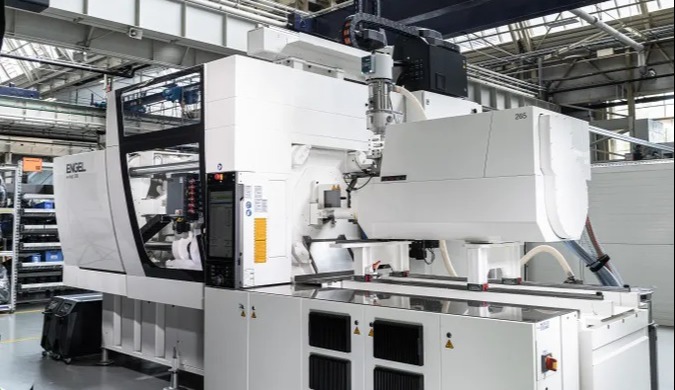
LEXAN PC is durable and weather resistant and can provide significant manufacturing cost reductions. By using high-speed, high-volume injection molding, the use of renewable LEXAN PC simplifies production process of charger making and eliminates typical secondary operations that are required for metals.
Sustainable and high-functional Charge Amps Dawn
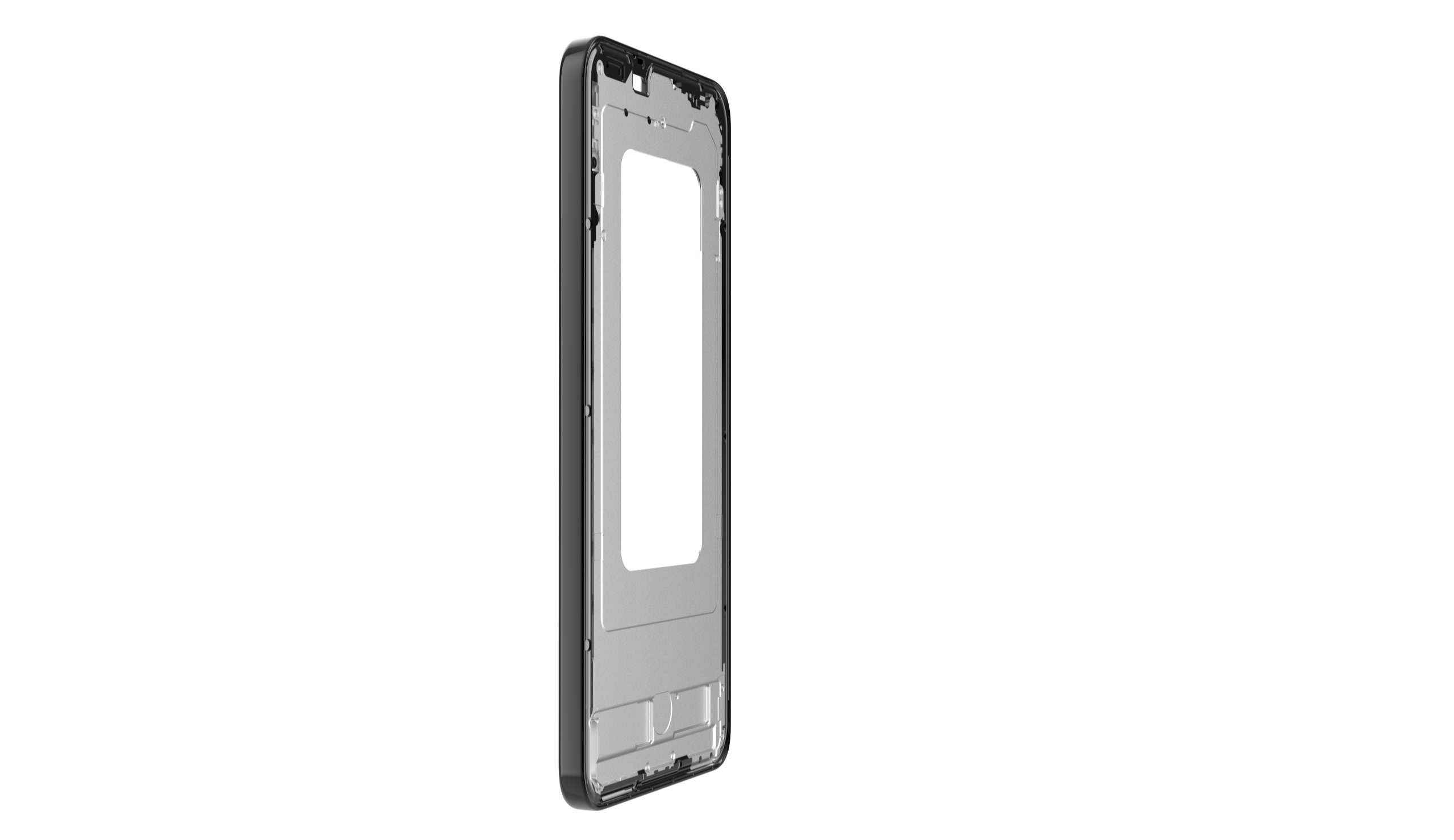
Charge Amps Dawn is the latest EV charging station with a charging capacity of 22 kW in one socket, a certified Measuring Instrument Directive (MID) meter and 4G connectivity. Charge Amps Dawn Chassis contains 50% of ISCC PLUS certified bio-based renewable material from SABIC.
“The bio-attributed plastic based on renewable feedstock from SABIC allows us to combine lower carbon emissions with the premium exterior design that Charge Amps is known for,” explained Jonas Hellström, Mechanical Design Manager at Charge Amps.
Wide benefits from renewable PC
On top of sustainability gains, EV charger manufacturers can be benefited from increased functional integration and design freedom. For example, inner panels, indoor cabinets and consoles can be produced from a flame retardant (FR) PC to achieve dimensional stability, high impact resistance and aesthetic finishing.
Furthermore, thin-wall FR capability can help reduce weight beyond that achieved by simply replacing metal, and can also free up space for additional components.