








Malaysia’s plastics industry blooms in packaging and automotive sectors

The size of the plastics market in Malaysia is projected to reach US$3.89 billion in 2024, according to a report by Mordor Intelligence. It is expected to increase to US$4.71 billion by 2029, with an annual growth rate of 3.91% during the period of 2024-2029.
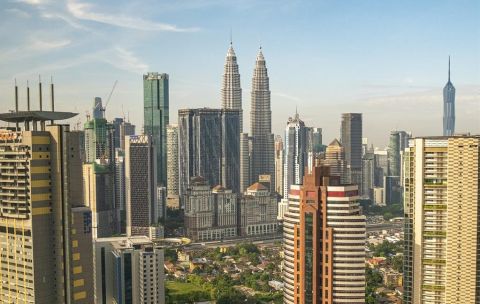
Plastics market in Malaysia is expected to expand.
The strong performance of plastics industry is driven by the huge and increasing demand for flexible packaging from sectors including personal and healthcare, pharmaceuticals, and packaged foods and beverages.
The report also highlighted significant growth potential in the aerospace industry in the coming years, along with the rising use of biodegradable plastics and intensified recycling efforts.
Commitment to circularity in packaging
To support Malaysia’s effort towards a circular economy, a number of key investments have been made to introduce more advanced production and recycling technologies in the country.
Coca-Cola Malaysia, partnering with Aeon Malaysia, Hiroyuki Industries, and Trash4Cash, launched the Recycle Me! Campaign to promote plastic recycling and circularity in Malaysia. It aims to encourage plastic bottle recycling in the country, which unlocks the economic potential of 1.7 million tons of discarded plastics.
Besides that, Coca-Cola Malaysia introduced bottles made from 100% recycled plastic bottles, excluding the caps and labels, for two of its 500ml products.
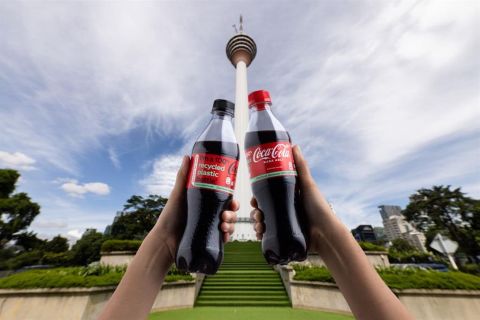
Coca-Cola Malaysia launched the Recycle Me! Campaign to promote plastic recycling and circularity. (Source: Coca-Cola Malaysia)
Another notable investment is the construction of Asia’s largest advanced chemical recycling plant by Petronas Chemicals Group Berhad (PCG), which will be located in Pengerang, Johor. Targeted to commence operations in the first half of 2026, the plant will have a capacity of recycling of 33 kilo-tons per annum for post-consumer plastic.
It is expected to boost waste chemical recycling in Malaysia through the conversion of end-of-life plastics into pyrolysis oil or TACOIL for the production of sustainable plastics.
On ocean-bound plastic waste, SABIC partnered with Scientex group to develop the world’s first PP flexible food packaging using post-consumer recycled (PCR) ocean bound plastic. The material is based on advanced recycled Ocean Bound Plastic (OBP) using SABIC certified circular polypropylene (PP), which is applied in a premium brand noodle packaging sold in Malaysia.
Increasing investment in automotive sector
Malaysia is home to 27 vehicle producers and over 640 component manufacturers. It is the third largest automotive industry in Southeast Asia. The demand for automotive plastics is expected to increase as Malaysia has been raising its automotive production. This attracts numerous investments.
EP Manufacturing Berhad (EPMB) announced a substantial investment of US$20.98 million in an EV automotive manufacturing facility in Melaka. The facility will be constructed in several phases at the HICOM Pegoh Industrial Park. The first phase of the facility, once completed, will have the capacity to produce up to 30,000 vehicles annually.
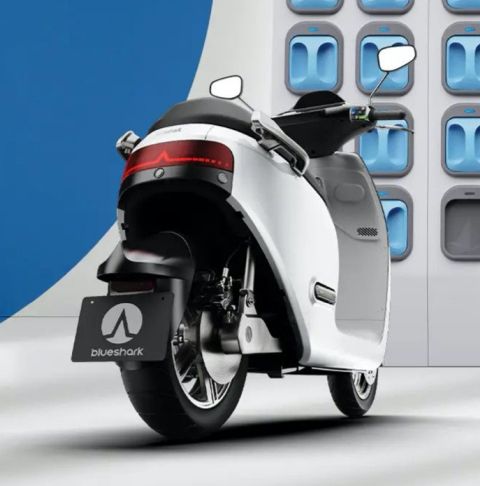
EPMB announced to build an EV automotive manufacturing facility in Melaka. (Source: EP Manufacturing Berhad)
EPMB has also announced the plan of vehicle assembly partnership with Great Wall Motor in Malaysia. This partnership will involve the Completely Knocked Down (CKD) model and marks Great Wall Motor's first CKD program in the ASEAN region.
At CHINAPLAS 2024, Malaysian plastics and rubber manufacturers will experience the first-hand high-tech processes and innovative materials, especially in packaging and automotive sectors.