















(Guide) How to effectively source Chinese plastics machinery and plastic materials?

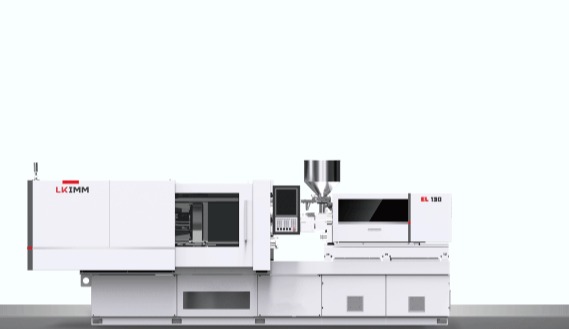
China suppliers are known for their competitive manufacturing capabilities, customization and flexibility, and wide range of plastics processing machinery and plastic materials.
Nevertheless, it is important to note that while there are benefits to sourcing from China, there are also considerations to keep in mind for mitigating any potential risks.

The follows are the important factors to consider:
1. Define your sourcing requirements: Clearly outline what you need in terms of product type, specification, and customization.
2. Research the market: Learn about Chinese plastics machinery manufacturers and plastics producers, suppliers, and industry trends.
Visit the Adsale Plastics Network (Adsalecprj.com) to access their extensive resources and information on Chinese suppliers.
3. Find reliable suppliers: Look for reputable suppliers with a proven track record and positive customer reviews.
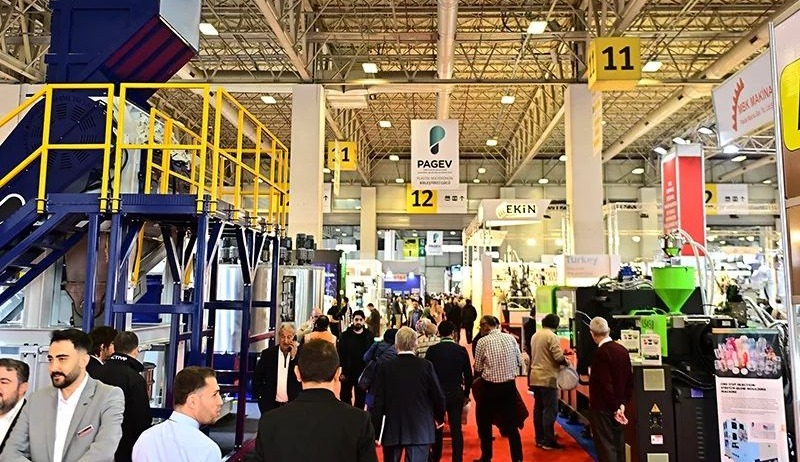
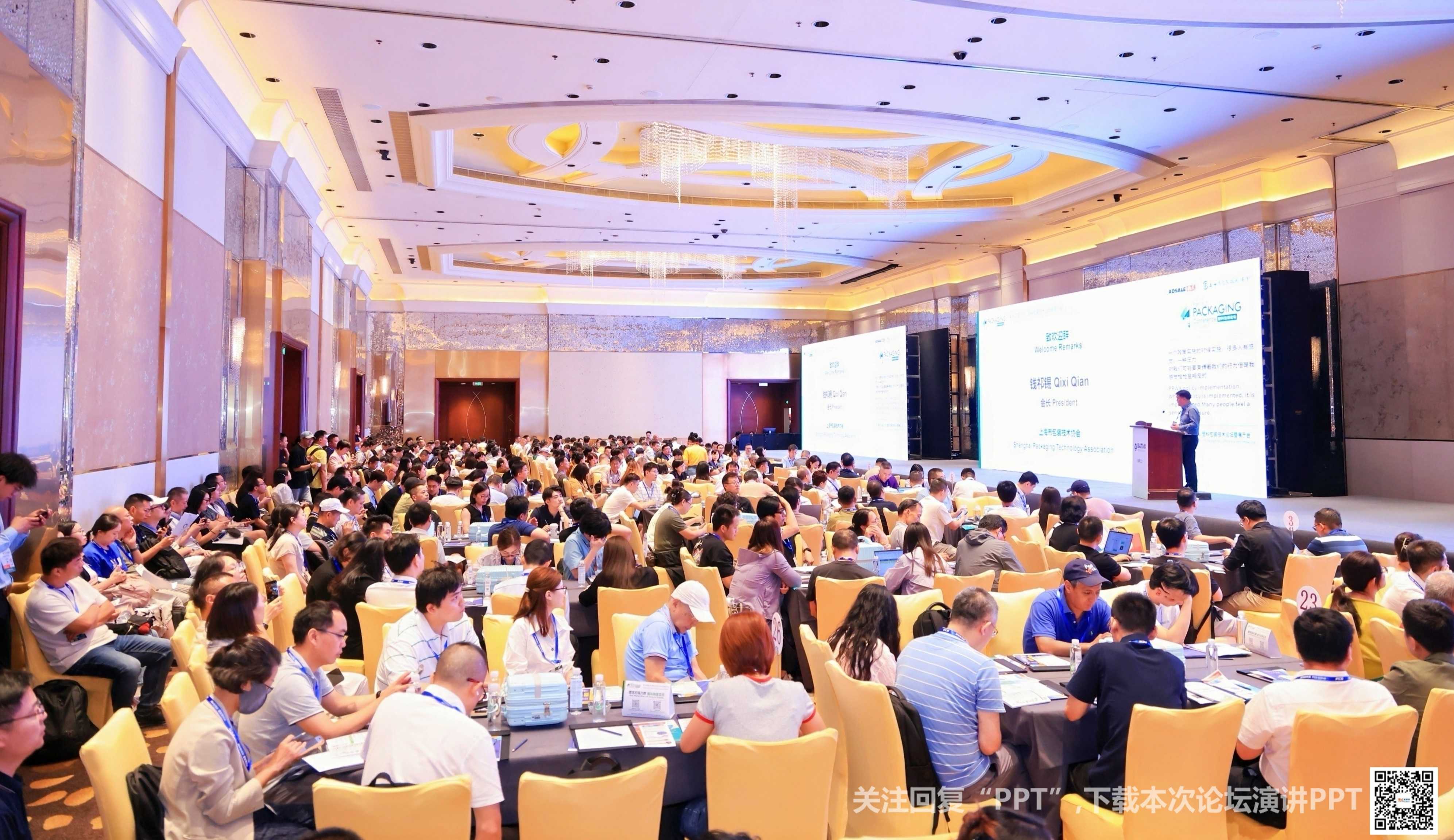
Attend trade shows, such as CHINAPLAS, where you can meet suppliers directly, see their products, and evaluate their capabilities. Check out the special news feature CHINAPLAS Focus.
4. Verify credentials: Check certifications, licenses of potential suppliers. Request samples or prototypes before placing bulk orders. Also, elevate the suppliers’ production capacity.
5. Assess product quality: Obtain detailed specifications and consider factory audits or inspections to ensure quality standards are met.
6. Evaluate after-sales service: Ensure the supplier offers good technical support, spare parts availability, and favorable warranty terms.
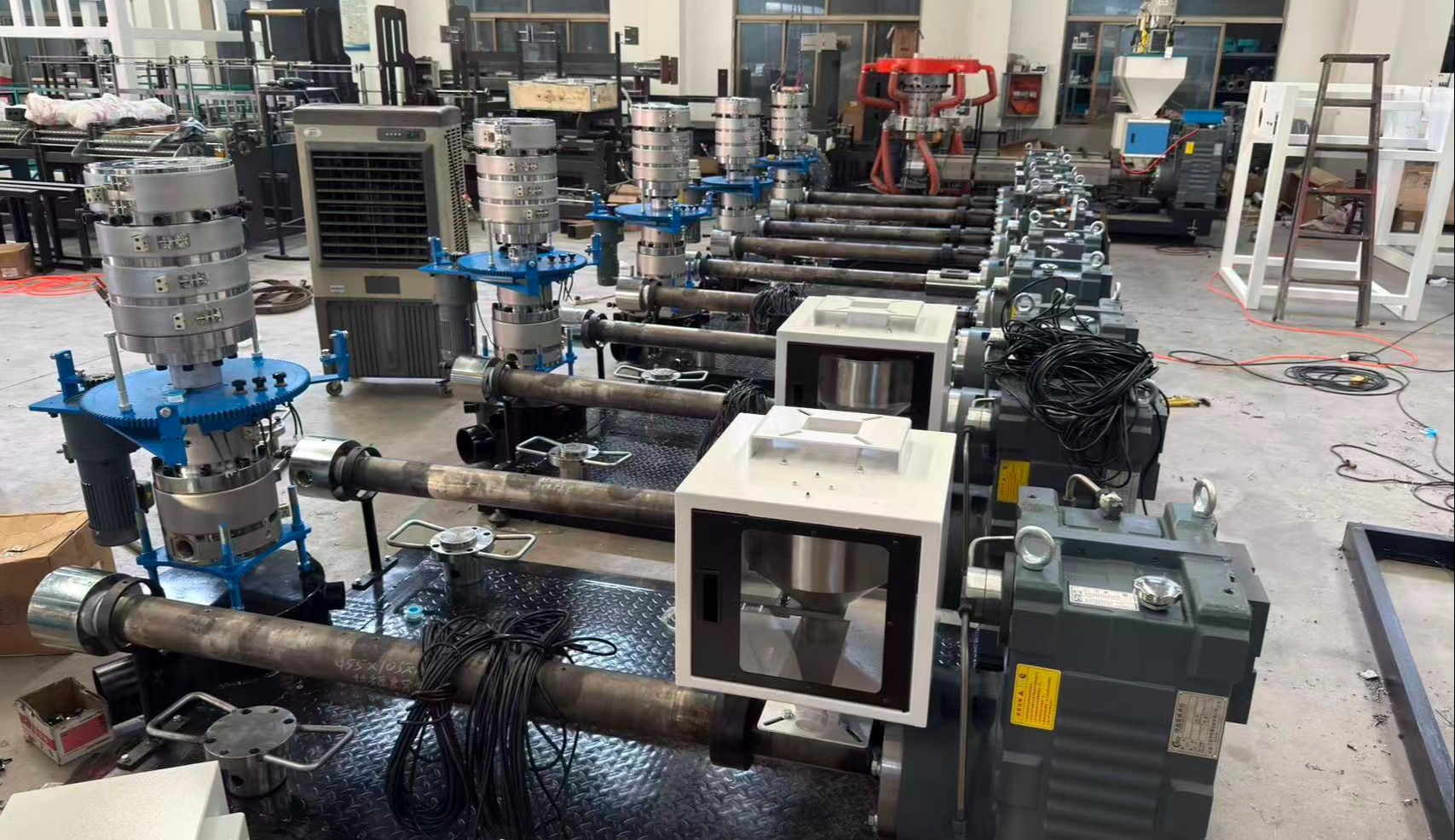
7. Visit the facility: Assess their production capabilities and quality control processes firsthand.
8. Consider pricing and payment terms: Compare prices, but prioritize quality and service. Negotiate payment terms that work for you. Be aware of potential import duties. Consider buying directly from manufacturers (skip the agent).
9. Manage logistics and shipping: Discuss packaging, transportation, lead times, and customs procedures with the suppliers. Be mindful of holidays and national events that may impact lead times.
10. Protect intellectual property: Ensure the suppliers respect intellectual property rights and consider signing legal agreements if necessary.
11. Communicate effectively: Establish clear communication channels, considering language barriers if present. Engage interpreters if necessary.
12. Build long-term relationship: Establish ongoing communication and provide feedback to foster a strong partnership with the suppliers. Understand and respect the cultural differences.
By considering these factors, you can effectively source Chinese plastics processing machinery and plastic materials that meet your needs.