





















VDMA: German machinery production is weaker than expected

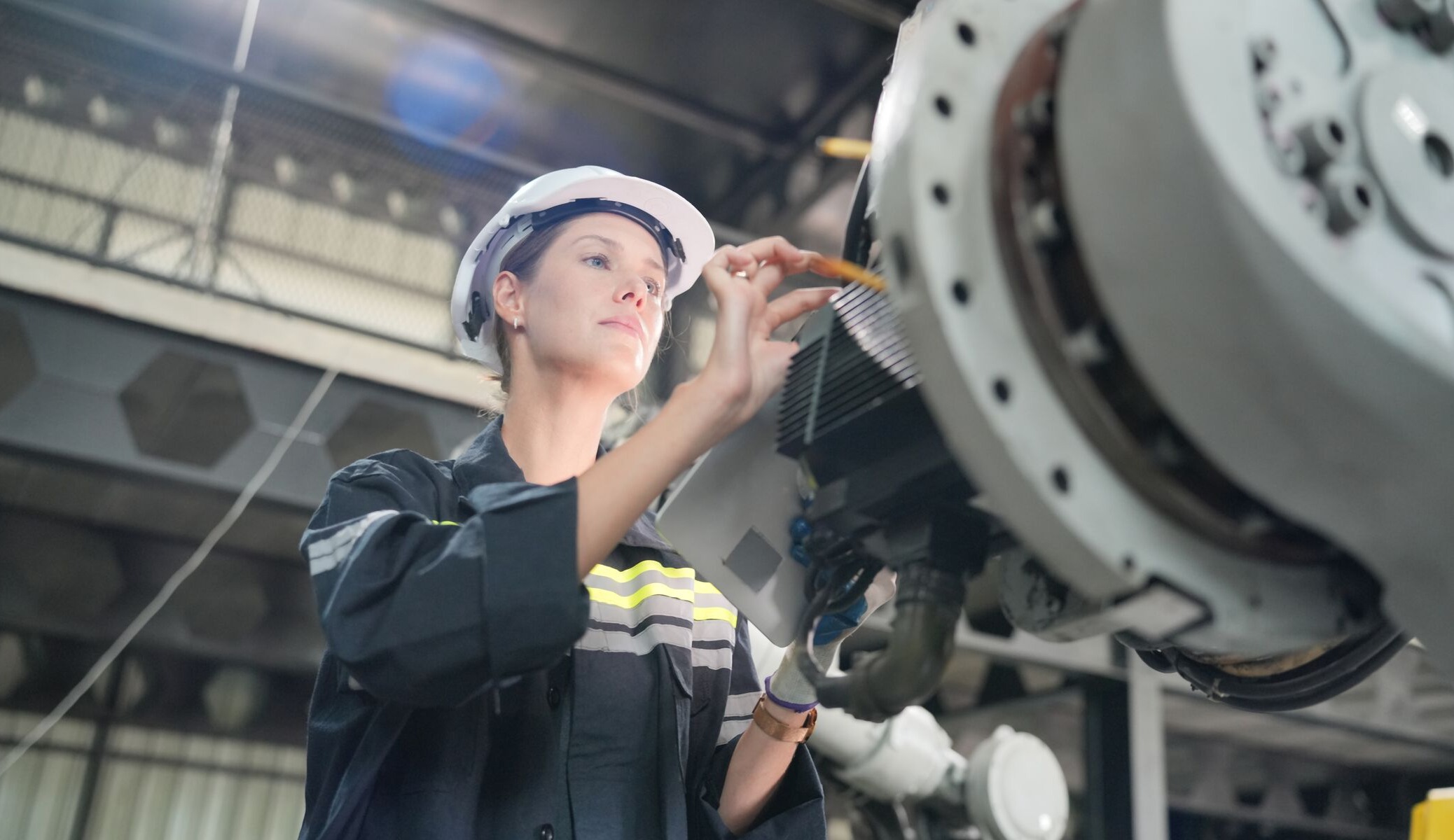
Production in the mechanical and plant engineering sector in Germany is expected to contract in 2026 for the fourth consecutive year.
Due to the weak performance in the current year, the VDMA’s economists have revised their production forecast for 2026 from stagnation to a real decline of 2%. However, a turnaround is on the horizon for 2027: a real increase in production of 3% is expected.
"2026 is likely to be the fourth consecutive year of declining production. However, the improved order situation and slightly brighter expectations suggest that production will grow again in 2027," said Dr Johannes Gernand, VDMA Chief Economist.
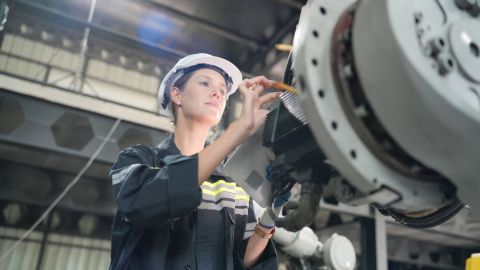
The improved order situation and slightly more optimistic expectations suggest that production will grow again in 2027. (Source: VDMA)
The downward revision for 2026 stems from persistently weak production: in the first seven months, it was 4.1% below the previous year’s level in real terms. Technical capacity remained significantly underutilized.
At the same time, some leading indicators are sending positive signals. Price-adjusted order intake rose by 5% year-on-year in the first seven months of the current year. Orders from non-eurozone countries rose particularly strongly, by 14%.
Business expectations have also brightened slightly recently. This should start to be reflected in production in the second half of the year, but will not be enough to offset the weak first half.
Across the machinery and plant engineering sector as a whole, these positive signs have not yet taken hold. Demand from the German domestic market remains significantly behind that from abroad.
Recovery expected in 2027
For 2027, VDMA economists expect that - despite numerous challenges - a robust global economy, rising investment in equipment and fiscal stimulus in Germany will underpin production.
In addition to government investment, private investment is also likely to pick up moderately. However, the recovery remains fraught with considerable risks: High geopolitical uncertainty, higher interest rates and Germany’s persistently weak competitiveness as a business location could jeopardize the turnaround.
"The expected 3% rise in production is likely to bring a four-year slump to an end. However, this will only lead to a sustainable upturn if improved investment conditions mobilize private capital and Germany’s competitiveness as a business location is strengthened once again," emphasised Dr Gernandt.