




















LG Chem develops temperature-responsive material to suppress thermal runaway

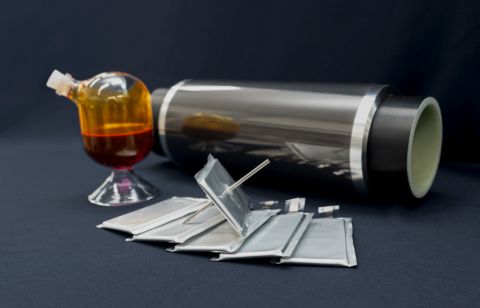
LG Chem has developed a temperature-responsive Safety Reinforced Layer (SRL) to suppress thermal runaway in batteries.
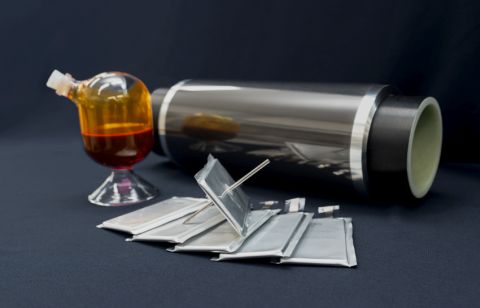
LG Chem has developed a temperature-responsive thermal runaway suppression material.
The material was developed by LG Chem’s Platform Technology R&D team, under the CTO division. In collaboration with Professor Lee Minah’s team from the Department of Battery Science at POSTECH, the material was analyzed, while the safety verification was conducted in partnership with LG Energy Solution.
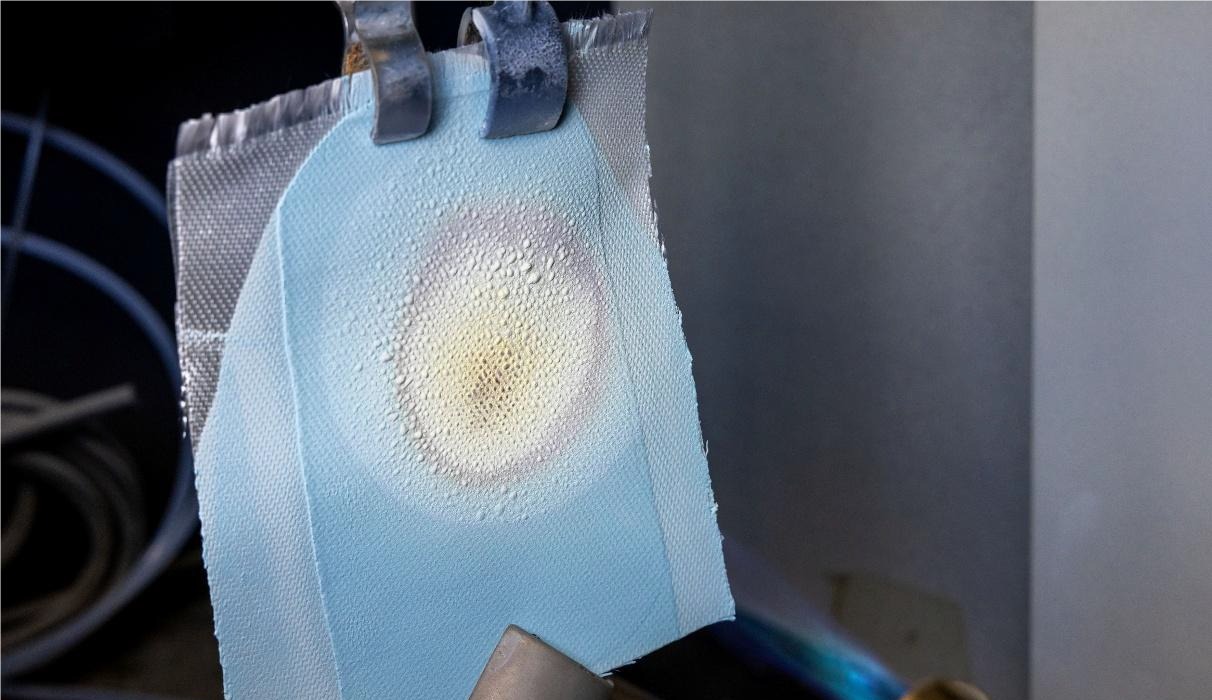
The composite material changes its electrical resistance based on temperature, acting as a fuse that blocks the flow of electricity in the early stages of overheating.
The 1 micrometer (1μm) thick layer of material is positioned between the cathode layer and the current collector (an aluminum foil that acts as the electron pathway) in the battery.
When the battery’s temperature rises beyond the normal range, between 90°C and 130°C, the material reacts to the heat, altering its molecular structure and effectively suppressing the flow of current.
The thermal runaway suppression material is highly responsive to temperature, with its electrical resistance increasing by 5,000 ohms for every 1°C rise in temperature. The material’s maximum resistance is over 1,000 times higher than at normal temperatures.
It also features reversibility, meaning the resistance decreases and returns to its original state, allowing the current to flow normally again once the temperature drops.
LG Chem has completed safety verification tests for the thermal runaway suppression material in mobile batteries and plans to continue safety testing for large-capacity electric vehicle batteries through next year.