








Insight: Beyond order shrinkage in European injection molding machine sector

The European plastics processubg machinery sector is facing a challenging autumn, several major European injection molding machine manufacturers have braced for a decline in sales this year, with a general consensus that a market recovery is unlikely until late 2025.
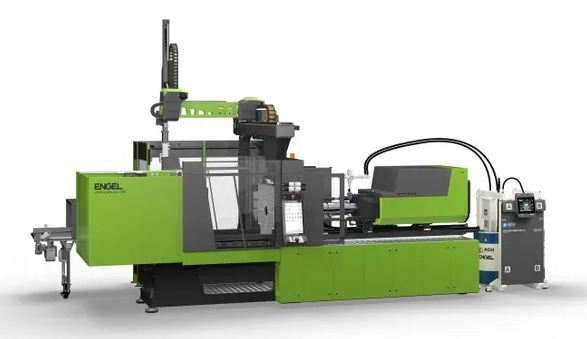
For instance, Arburg forecasts sales for 2024 to reach €620 million, representing a 20% year-on-year decrease from 2023, when sales fell from €875 million in 2022; ENGEL anticipates a continued decline in sales for the 2024/25 fiscal year, projecting a 7% decrease from the €1.6 billion recorded in the previous fiscal year.
Adsale Plastics Network (AdsaleCPRJ.com) analyzes why the injection molding machine sector in Europe, a key segment of the global plastics processing machine industry, is facing significant headwinds.
Four main reasons identified
1. High energy costs and vanishing orders
As a primary energy source for the EU, Russia's energy provision to the EU has grown highly unpredictable, with prices skyrocketing due to the Russia-Ukraine conflict.
For instance, in Germany and Austria, the powerhouses of the European injection molding machine sector, electricity prices surged by 10-fold and 6-fold respectively during peak periods compared to the same timeframe in 2021.
The surging electricity prices pose a significant challenge for machine manufacturers, given the substantial energy consumption involved in production, consequently squeezing profit margins.
Besides, the conflict has eroded the purchasing power of Europeans, a trend starkly evident in the Consumer Confidence in the EU. This reduced consumer confidence has translated into weakened market demand for downstream manufacturers, resulting in a downturn in orders and delays in equipment and expansion investments.
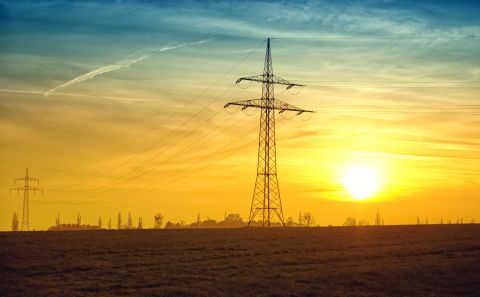
Energy prices in Europe have surged since the Russia-Ukraine conflict. (Source: World Economic Forum)
2. The “Made in Europe” question
Despite the European market accounting just 30% of European injection molding machine sales, a significant 70% of major European injection molding machine brands' products are exported, with China and the US emerging as the top two export destinations, as Adsale Plastics Network found out.
However, European injection molding machine manufacturers have shown reluctance to manufacture outside Europe, despite the bulk of their products being destined for export markets.
Given the increasing manufacturing costs in Europe, exacerbated by intricate and volatile geopolitics, as well as unreliable cross-border logistics, fulfilling the procurement needs for economical products with swift and secure delivery poses a formidable challenge for European manufacturers.
3. Rising competition from Chinese manufacturers
Moreover, European injection molding machine manufacturers face heightened competition from their Chinese counterparts, who are aggressively expanding into international markets.
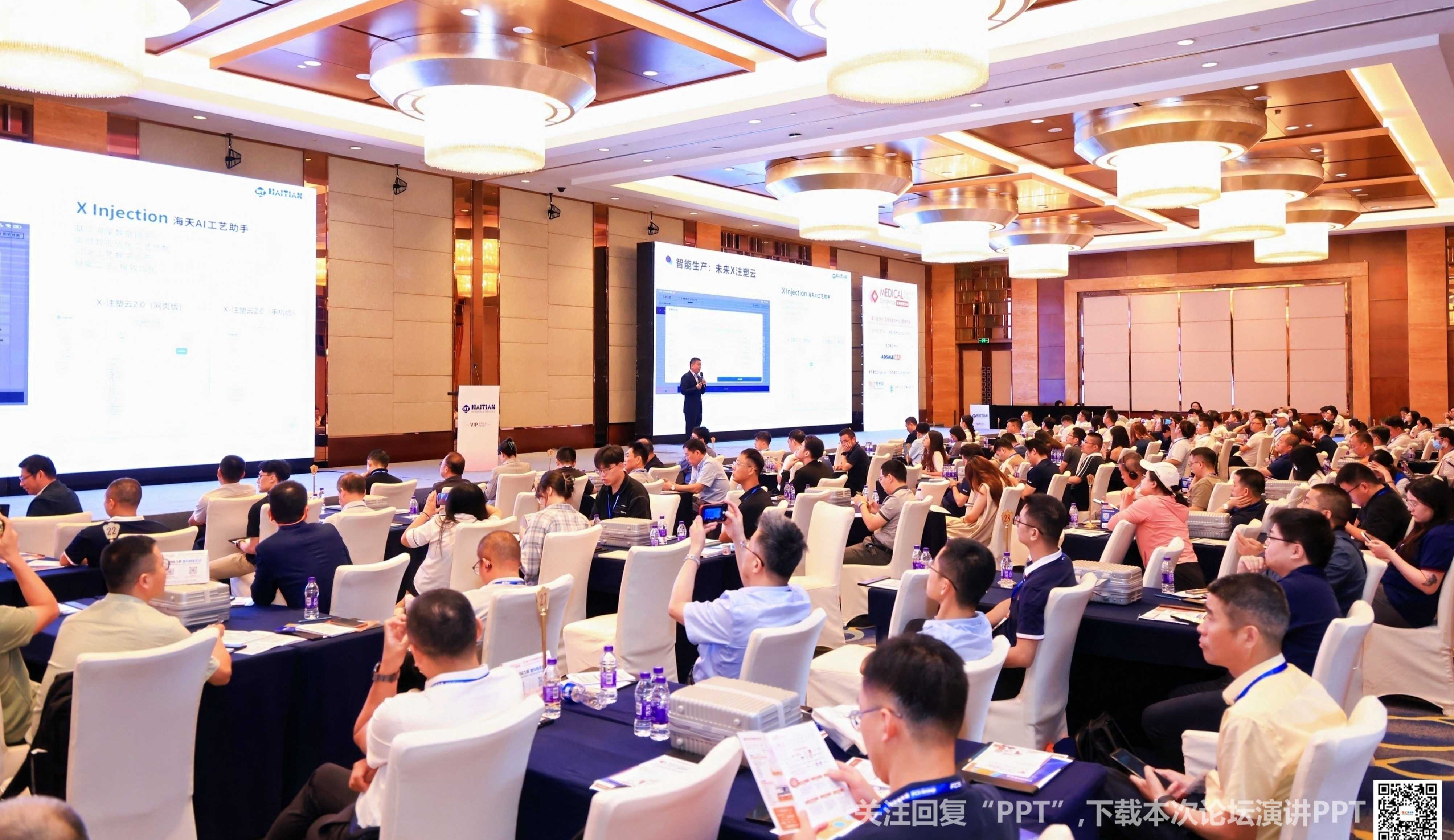
For instance, Haitian International has established two factories in Germany, with a manufacturing facility in Serbia currently in progress; Yizumi has established technical service centers in Nuremberg and Lippstadt, Germany; and Tederic operates an R&D center in Munich, Germany, aimed at enhancing technological innovation.
During the recently concluded Fakuma 2024, a significant trade fair for the injection molding industry held in Friedrichshafen, Germany, a notable shift was observed with 167 Chinese exhibitors taking part. A decade ago, this event featured merely 21 exhibitors from China, underscoring the substantial growth and presence of Chinese participants.
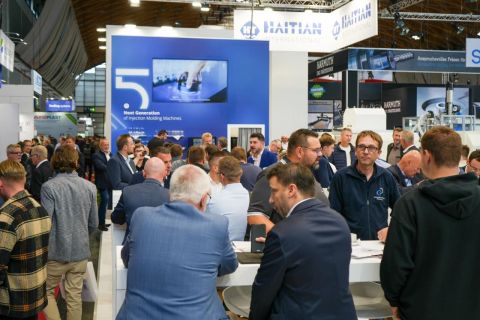
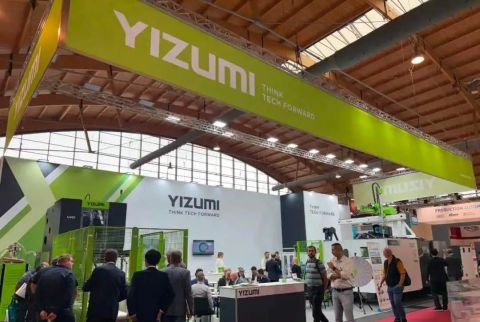
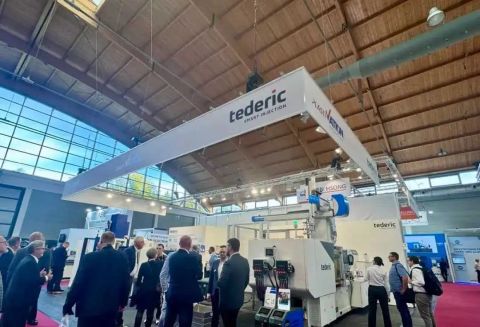
The booths of Haitian International, Yizumi and Tederic at Fakuma 2024.
4. Yen depreciation benefits Japanese machines
Besides Chinese machines, European machines also encounter fierce competition from Japanese counterparts. Japanese injection molding machines, renowned for their high precision and stability comparable to European models, have gained a competitive edge due to the depreciation of the yen over the past two years, leading to high-flying sales.
With the Japanese yen having depreciated by over 30% since 2022, effectively offering a 30% discount, Japanese injection molding machines have become increasingly appealing to international buyers.
Data from the Japan Society Of Industrial Machinery Manufacturers and the Japan Plastics Machinery Association reveals a consistent uptrend in the sales of Japanese injection molding machines from January to August this year. Notably, export orders experienced a remarkable surge in August, witnessing a staggering year-on-year increase of 240%. This growth trend is evident across a range of machine sizes, from small to ultra-large models, highlighting the increasing export demand for Japanese machinery.
Adsale Plastics Network was told that these recent orders primarily stem from “demands linked to automobile production in China and the US." It is noteworthy that the automotive industry has consistently been a key application area for European injection molding machines.
Accelerate localized production to adapt
To address the ongoing decline in orders, Europe's prominent injection molding machine manufacturers have initiated adjustments to their production strategies by expediting localized production.
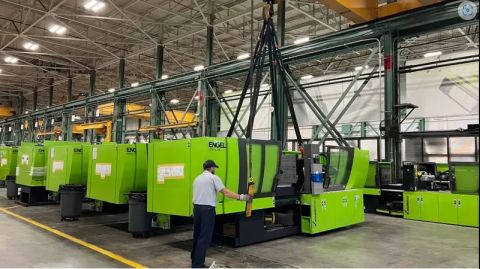
ENGEL has established regional hubs in Europe, the Americas, and Asia, each equipped to manage sales, order processing, production, and after-sales service. These hubs collaborate not only with the headquarters in Austria but also possess regional production and development capabilities.
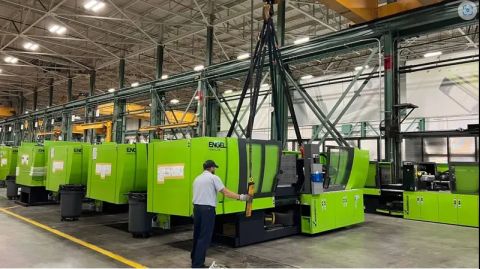
ENGEL's facility in Pennsylvania, US.
Wittmann Group is expanding its Kunshan facility in China with a new plant slated to commence operations in December 2025. This expansion marks a shift in Wittmann's strategy from solely producing auxiliary machinery and robots in China to introducing “Made in China” Wittmann Battenfeld injection molding machines.
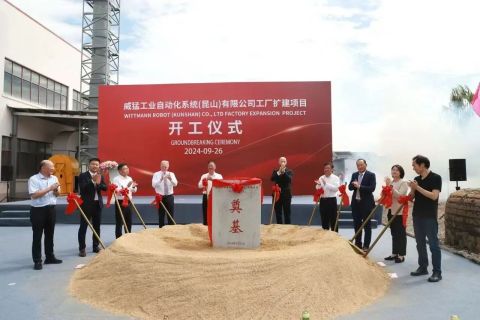
The groundbreaking ceremony of Wittmann Grou’s new plant in Kunshan, China.
Arburg is also manufacturing and assembling machines outside Europe. Since September of this year, Arburg has been manufacturing and assembling electric machines at its technology center in Pinghu, China. The German manufacturer plans to establish assembly plants in North America as well.
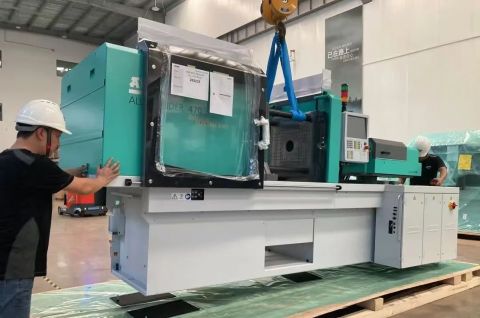
Arburg has started manufacturing electric machines at its technology center in Pinghu, China.
Final thought
Every challenge presents an opportunity for growth. By adjusting their localized production strategies, European injection molding machine manufacturers can reduce costs, enhance delivery efficiency, adapt to market changes, and pursue greater development. This resilience among manufacturers injects strong momentum and limitless possibilities into the future of the industry.