


















Recycled plastics for use in 3D printing

To close the plastic production cycle, City University of Applied Sciences and the Fraunhofer Institute for Manufacturing Technology and Advanced Materials IFAM in Germany partnered to transform post-consumer plastic waste into high-quality 3D-printed products.
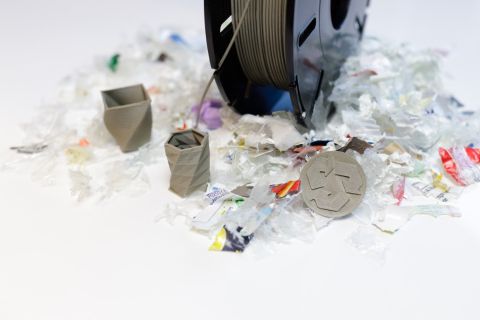
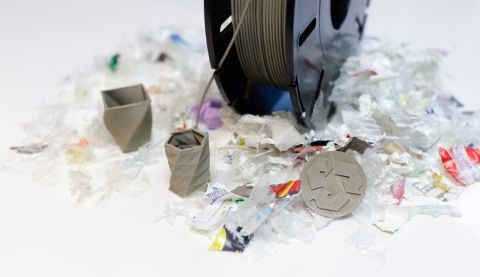
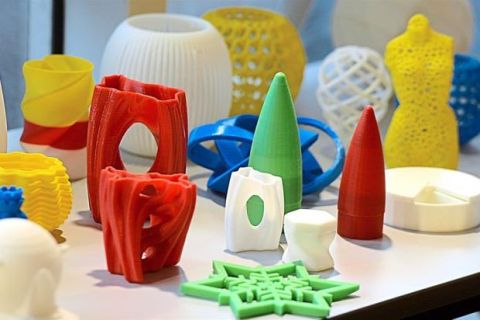
Post-consumer waste is processed into filaments for 3D printing.
As the recycled plastic waste is recycled for use in 3D printing, there are stringent requirements for aspects such as purity, shape and size. To this end, the polypropylene output from a sorting plant for packaging waste was used in a feasibility study conducted by HSB and Fraunhofer IFAM.
At the university’s Laboratories for Circular Economy, the research team ground up the plastic, washed it and separated undesired material from the main stream using a float-sink-separation.
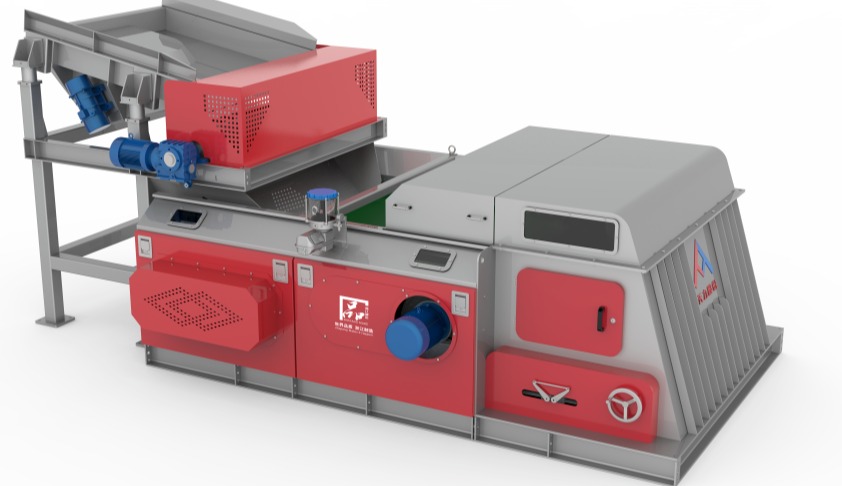
The team used near-infrared technology to identify residual foreign plastics and removed them subsequently. After that, the researchers ground down the material again until it had reached the grain size required for compounding and dried it. This method achieved purity levels of more than 99.8%.
3D printed solid plastic strand
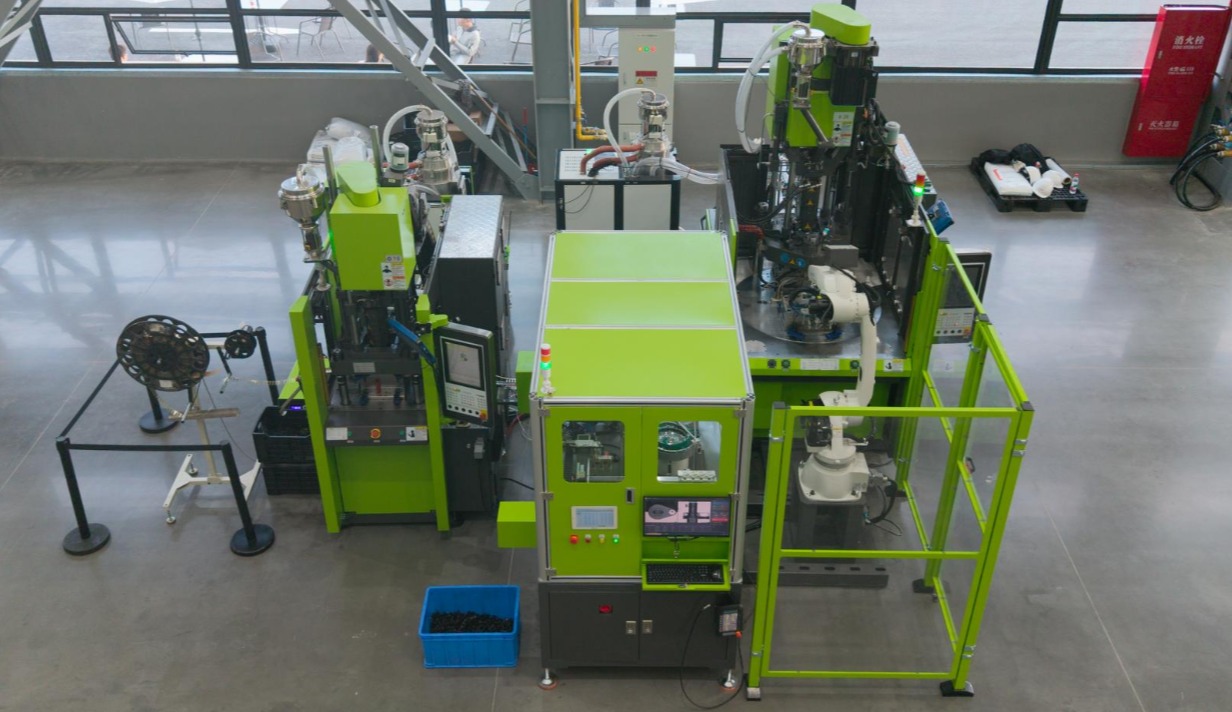
The team succeeded in producing a gray solid plastic strand. First, they processed the flakes of recycled polypropylene in an industrial extruder at Fraunhofer IFAM. The material was combined there, mixed using different extruder screw geometries, then melted at temperatures greater than 200°C and extruded.
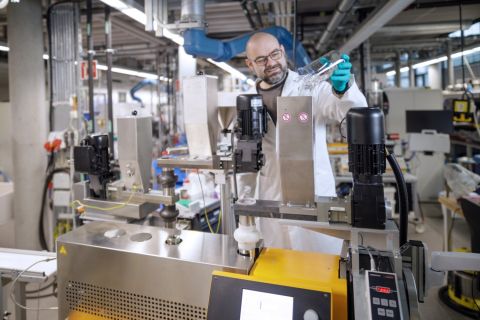
The cleaned plastic packaging waste is mixed, melted down and extruded in a compounder at Fraunhofer IFAM.
“The expertise consists in precisely adjusting the various mechanical screws, temperatures, pressures and speeds along the production process so the final product is homogeneous polypropylene,” explained Dr. Dirk Godlinski, a project manager in the Composite Technology working group at Fraunhofer IFAM.
For further processing in 3D printing, for example, the strand must be round and consistent in diameter over its entire length, with a smooth surface.
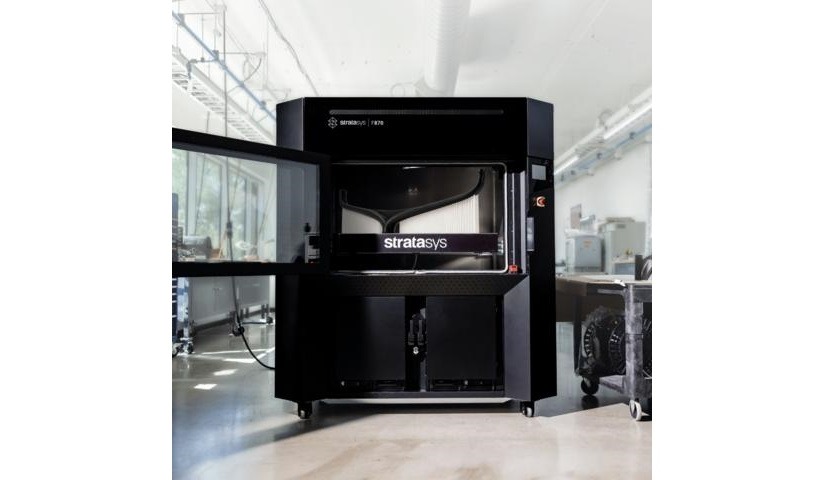
The produced plastic strand, about two millimeters thick, was able to be used directly as a filament in a commercial 3D printer. By now, Godlinski and his team have successfully printed their first components, including caps.
Follow-up projects
The researchers are now optimizing the production process. Ideas for follow-up projects have already been floated.
Godlinski notes that plastics can be further refined, for example, by introducing additives such as glass fibers during compounding. This makes it possible to produce even very high-quality components for use in fields such as aviation and the automotive industry.
Legal stipulations are also pushing increased demand for recycled materials, such as the EU Packaging and Packaging Waste Regulation (PPWR) that requires increasing recycled materials in packaging starting from 2030.
“Especially with regard to climate change, we need to think about resource efficiency. The circular economy is becoming more and more important. The more waste we reuse and recycle, the more energy and resources we can conserve,” concluded Godlinski.