









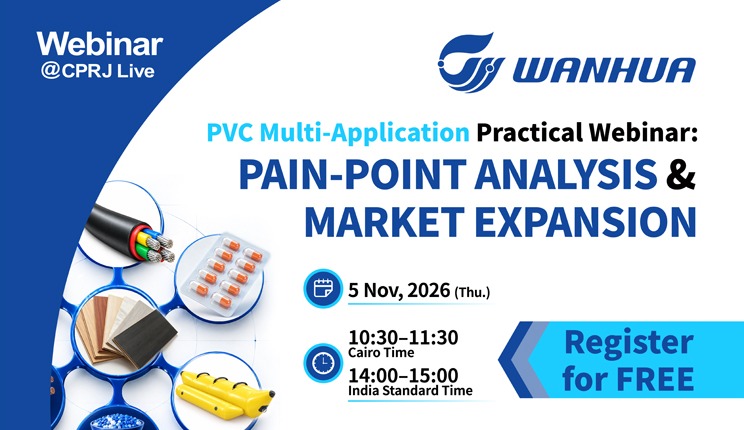



Top 10 Technology Trends: Hails new biomaterials formulations and processing

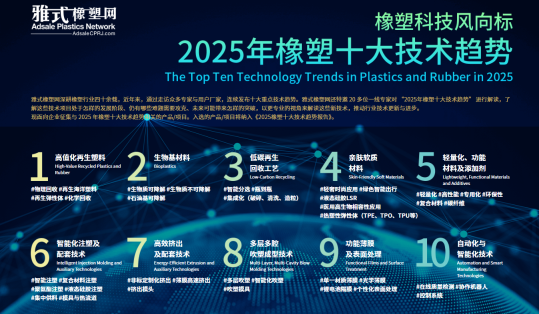
Bio-based plastics, with their unique environmentally friendly attributes and renewable resource technology advantages, have become one of the key forces driving the sustainable development of the plastics industry.
In the “The Top Ten Technology Trends in Plastics and Rubber in 2025” campaign initiated by Adsale Plastics Network (www.AdsaleCPRJ.com), companies such as Nanjing Sage Advanced Materials Technology Co., Ltd., Ecombine Advanced Material Co., Ltd., Cabot (China) Investment Co., Ltd., Zhuhai Kingfa Biomaterials Co., Ltd., Guangzhou Green FA Materials Technology Co., Ltd., Shandong Dawn Degradable Materials Co., Ltd., Star Plastics, Arkema (China) Investment Co., Ltd., and LG Chem have remarkably expanded the application scenarios of bio-based plastics through formula optimization and production process innovation.
∎ Nanjing Sage Advanced Materials Technology Co., Ltd.
Technology: Bio-based High-Barrier Film
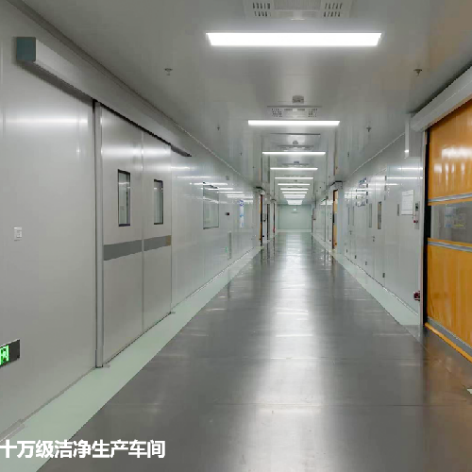
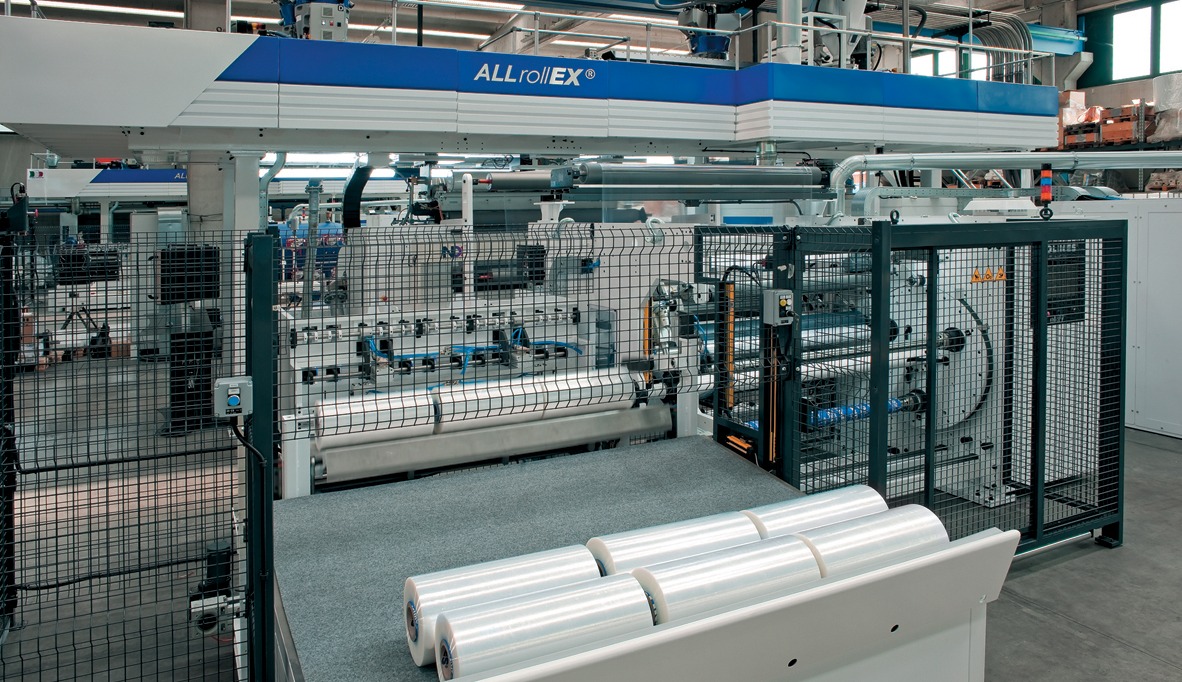
Sage Advanced Materials' bio-based high-barrier film boasts barrier performance comparable to metal-rolled foil while offering high transparency and environmental friendliness. It can be applied in multiple fields, reducing corporate costs and enhancing customer experience.
Sage Advanced Materials' bio-based high-barrier film features ultra-high oxygen barrier performance (oxygen transmission rate less than 0.005 cm³ per square meter per day). The material is bio-based and biodegradable, with transparency, making it suitable for single-material packaging.
∎ Ecombine Advanced Material Co., Ltd.
Technology: Ecombio-PP Nanocellulose-Reinforced Polypropylene High-Performance Biobased Composite Materials
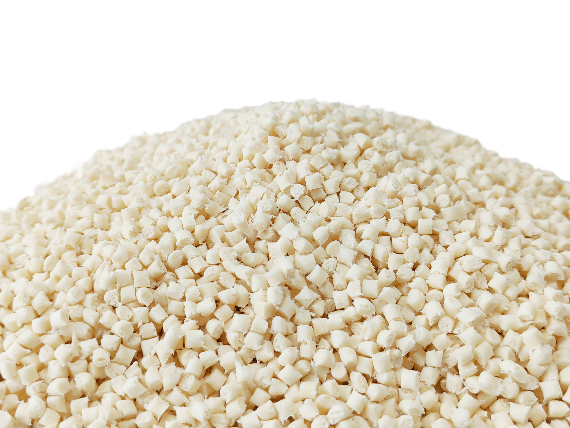
The Ecombio-PP biobased composite materials are produced using the company's proprietary liquid-phase mixing technology, which combines nanocellulose with a PP matrix to achieve excellent dispersion and interfacial compatibility of cellulose in PP.
Compared to traditional PP composite materials such as mineral powder and glass fiber, Ecombio-PP offers higher mechanical performance, lower density, a lower carbon emission coefficient, lighter color, and no odor, among other advantages.
Ecombio-PP can also be recycled and reprocessed for repeated reuse. Additionally, Ecombio-PP exhibits good adjustability in biobased content, strength, toughness, and plasticity to meet the material requirements of different products.
As a high-performance, green, low-carbon bio-based composite material, Ecombio-PP has significant application potential in automotive manufacturing, appliances, home furnishings, and other fields.
∎ Cabot (China) Investment Co., Ltd.
Technology: BIOPLASBLAK® XP5650A/B Series Biodegradable Black Masterbatch
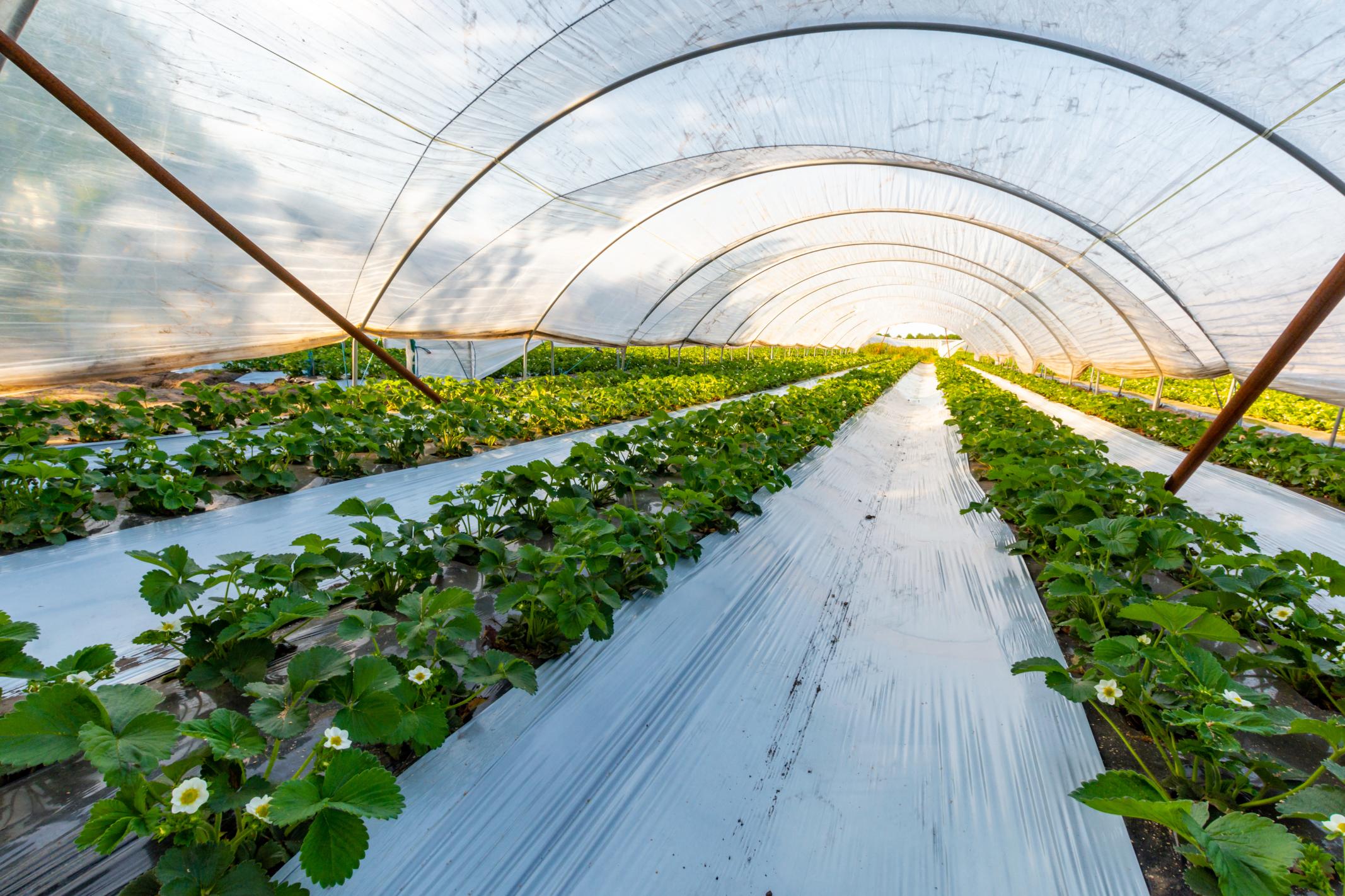
China is one of the world's largest users of agricultural mulch films in terms of volume and coverage area. While mulch films have contributed significantly to China's food security, they have also left massive amounts of non-degradable plastic residues in the soil.
Although mulch film recycling can address part of the residue problem, issues such as recycling costs and incomplete recovery still lead to environmental pollution. Therefore, mulch films made from fully biodegradable PBAT material can achieve a "once-and-for-all" solution.
To meet the usage requirements of agricultural mulch films, particularly in improving weather resistance, Cabot has developed the BIOPLASBLAK® XP5650A/B series of carbon black masterbatches with a PBAT carrier.
Features of Cabot's BIOPLASBLAK® XP5650A/B series:
High blackness: Provides excellent coverage and weather resistance for biodegradable mulch films.
High carbon black dispersion: Helps biodegradable mulch films achieve outstanding surface appearance and fewer crystal dots.
Free of any non-biodegradable components.
∎ Zhuhai Kingfa Biomaterials Co., Ltd
Technology: Structure- and Lifespan-Adjustable Biodegradable Copolyester and Agricultural Film
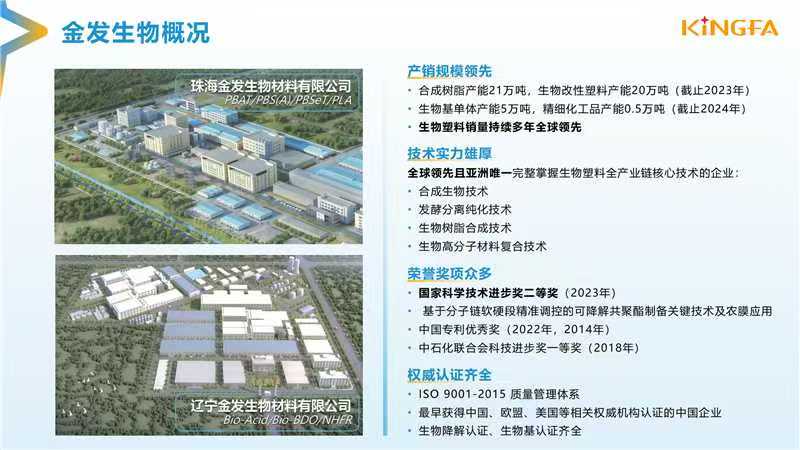
Biodegradable polyesters can completely decompose into carbon dioxide, water, and new biomass under natural conditions, leaving no microplastic residues. They are an ideal replacement for traditional lightweight plastics that are widely used but difficult to recycle. The core scientific challenge lies in resolving the contradiction between excellent mechanical performance and good degradability.
This project has overcome key technologies such as precise molecular structure control, cost-effective functionalization, high adaptability for applications, and degradation/aging evaluation and prediction systems. It has achieved large-scale industrialization of PBAT and its application across millions of acres of agricultural film, helping China rise as a global leader in PBAT production, export, and application.
The project has secured 122 invention patents and led the formulation of China's earliest national standards for degradable copolyester materials. It has established the world's largest production scale of 200,000 tons/year, with a market share exceeding 43%.
∎ Zhuhai Kingfa Biomaterials Co., Ltd
Technology: Fully Bio-based Degradable Lightweight Packaging Specialized Material and Its Industrialization

This project addresses the current lack of targeted application of biodegradable materials in the packaging field through the preparation and demonstration of fully bio-based degradable green innovative packaging materials. It promotes their substitution and application in this field, accelerating the low-carbon transformation of packaging products through the introduction of bio-based materials, with significant environmental and ecological benefits.
To meet the specific requirements of various lightweight packaging application scenarios, it is necessary to design multi-component formulations for fully biodegradable materials. Resolving the compatibility issues between multiple components is essential for enhancing the performance of specialized materials and improving processing effects.
This project innovatively improves interfacial compatibility between different phases, optimizes the melt strength of blended systems, and enhances the processing performance of specialized materials and the application performance of products through the use of multi-functional compatibilizers and the screening of specifications such as molecular weight for fully bio-based resins PBS and PLA.
∎ Guangzhou Green FA Materials Technology Co., Ltd.
Technology: Multifunctional Degradable Starch Foam Board
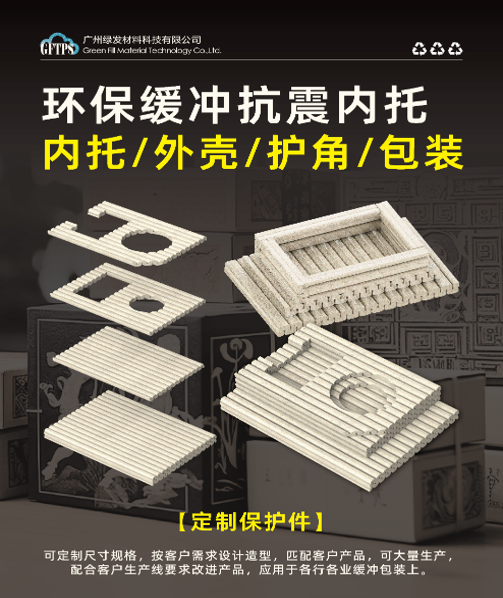
The company's independently developed multifunctional degradable starch foam board is an innovative product that is the first of its kind in China and internationally leading. It has received recognition as a Guangdong Province Famous and High-Tech Product, with properties such as anti-static and flame-retardant, showing great potential in packaging innovation. Currently, this material is widely used in various industries such as electronics, glass and ceramic fragile items, food, daily chemicals, toys, and other consumer goods, especially in export products.
Through multiple modifications of starch, the starch content exceeds 90%, with excellent processing and product performance. The product dissolves in water, achieves a composting degradation rate of 97%, and is highly environmentally friendly while maintaining a shelf life of 1~2 years under normal use. It offers excellent cushioning performance and controllable costs.
∎ Shandong Dawn Degradable Materials Co., Ltd.
Technology: Research and Application of Bio-based Degradable Polyester Materials
With the increasing awareness of environmental protection and the deepening of sustainable development concepts, bio-based materials, as alternatives to petroleum-based materials, have attracted widespread attention and research. Bio-based materials are mainly derived from plants, animals, and microorganisms, with greener production processes that align with people's pursuit of environmental protection.
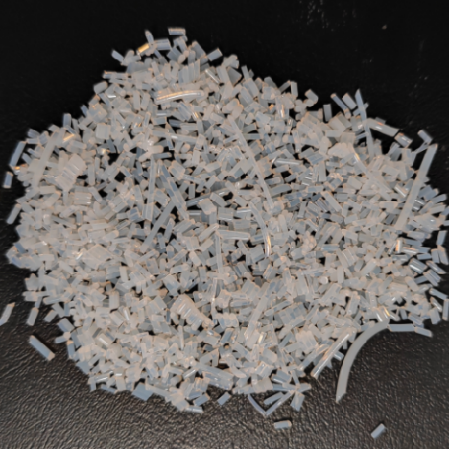
This project's product uses biomass-derived monomers to prepare bio-based polyester materials with a bio-carbon content of 20-65%. It offers good transparency, excellent mechanical performance, barrier properties, and processing stability, and can completely degrade into carbon dioxide and water within 180 days under composting conditions after use.
This project introduces two different biomass-derived monomers to prepare bio-based polyester materials with a bio-carbon content of 20-65% through polymerization. The performance is superior to PBAT and can fully replace PBAT in applications such as shopping bags, food waste bags, agricultural mulch films, express bags, coating films, and disposable tableware.
∎ Star Plastics
Technology: Oyster Shell Antibacterial #PFAS Free
This project is dedicated to the development of natural bio-based materials, incorporating post-consumer recycling concepts. It features natural and harmless antibacterial properties that help improve health, plays an important role in promoting a sustainable economy, and meets PFAS Free standards.
Compared to other bio-based recycled materials, this product exhibits lower carbon emissions and effectively promotes marine ecological balance. Currently, this technology is widely used in industries such as textiles, furniture, and medical devices.
Arkema (China) Investment Co., Ltd.
∎ Technology: Bio-based Rilsan® PA11 Cooling Pipes Provide More Sustainable Material Solutions for EV Thermal Management Systems

Arkema provides electric vehicle cooling pipe material solutions for a leading automotive OEM renowned for its strong focus on safety and sustainability in the automotive industry. The company collaborated with a Tier 1 domestic supplier to develop EV cooling pipes made from Rilsan® PA11.
This solution integrates the excellent performance required for EV thermal management, ensuring the safe and stable operation of battery systems under complex conditions. More importantly, the high-performance 100% bio-based Rilsan® PA11 material used in this solution helps the OEM progress toward its goal of using 25% recycled and bio-based materials in new vehicles by 2025, effectively reducing carbon footprints and promoting circular economy development.
Rilsan® PA11 is a key material for battery cooling systems. The cooling pipes made from it combine excellent long-term hydrolysis resistance, flexibility, impact resistance, and low density, and can be installed in narrow spaces inside and outside the battery pack to transport coolant, enabling effective thermal management and extending the service life of the vehicle's three-electric systems.
Rilsan® PA11 is 100% sourced from renewable castor seeds, reducing the carbon footprint by 80% compared to traditional fossil-based polyamides and saving several kilograms of carbon per vehicle. We also offer recycled polymer product specifications, providing more sustainable thermal management solutions for the automotive industry.
∎ LG Chem
Technology: Bio-based Acrylic Acid

LG Chem's bio-based acrylic acid is produced using 3HP (3-Hydroxypropionic acid) as the raw material. Compared to traditional acrylic acid, it has the same molecular structure and properties while achieving a low-carbon and environmentally friendly concept based on renewable resources. LG Chem plans to commence commercial production of bio-based acrylic acid in Q2 2025, with an estimated annual production capacity of 1 million tons.
Bio-based acrylic acid can be widely used in cosmetic containers, superabsorbent polymers (SAP), adhesives, coatings, and other fields. LG Chem's self-developed 3HP strain and fermentation technology have laid a solid foundation for the large-scale production of bio-based acrylic acid.
3HP is an eco-friendly substance produced through microbial fermentation of plant-based raw materials. The polymer plastics made from it exhibit excellent biodegradability and high flexibility, making them suitable for replacing various single-use plastic materials.
LG Chem holds patents for the 3HP strain, fermentation, and purification technologies and has obtained 100% bio-content certification from the United States Department of Agriculture (USDA).
Currently, although major global companies are attempting 3HP technology development, commercial application has not yet been achieved. In 2024, LG Chem signed a memorandum of understanding (MOU) with Daebong LS, a specialized company in cosmetic materials and active pharmaceutical ingredients, to collaborate on the development of functional cosmetic ingredients. The two parties will select suitable functional cosmetic product groups using 3HP as the raw material and ensure the completion of clinical evaluation and verification of product efficacy by 2025.
For more details about the “The Top Ten Technology Trends in Plastics and Rubber in 2025”, stay tuned.