

















Elmet leverages AI in cold runner mold to optimize LSR molding

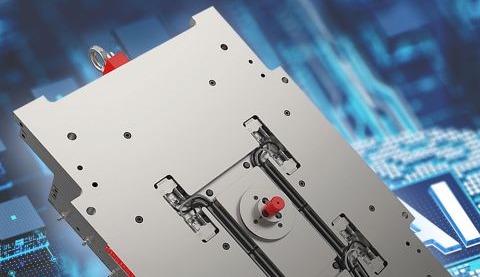
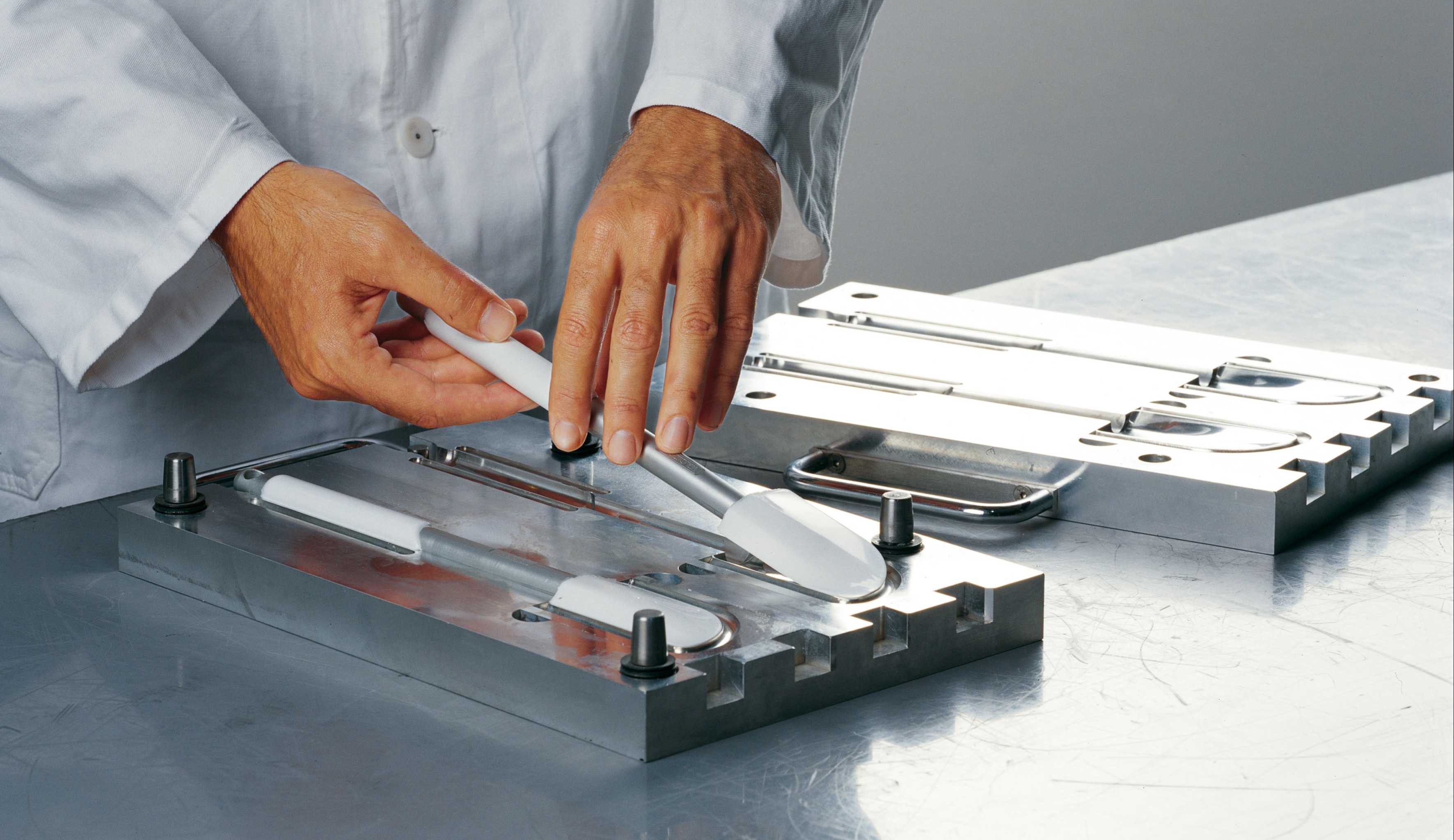
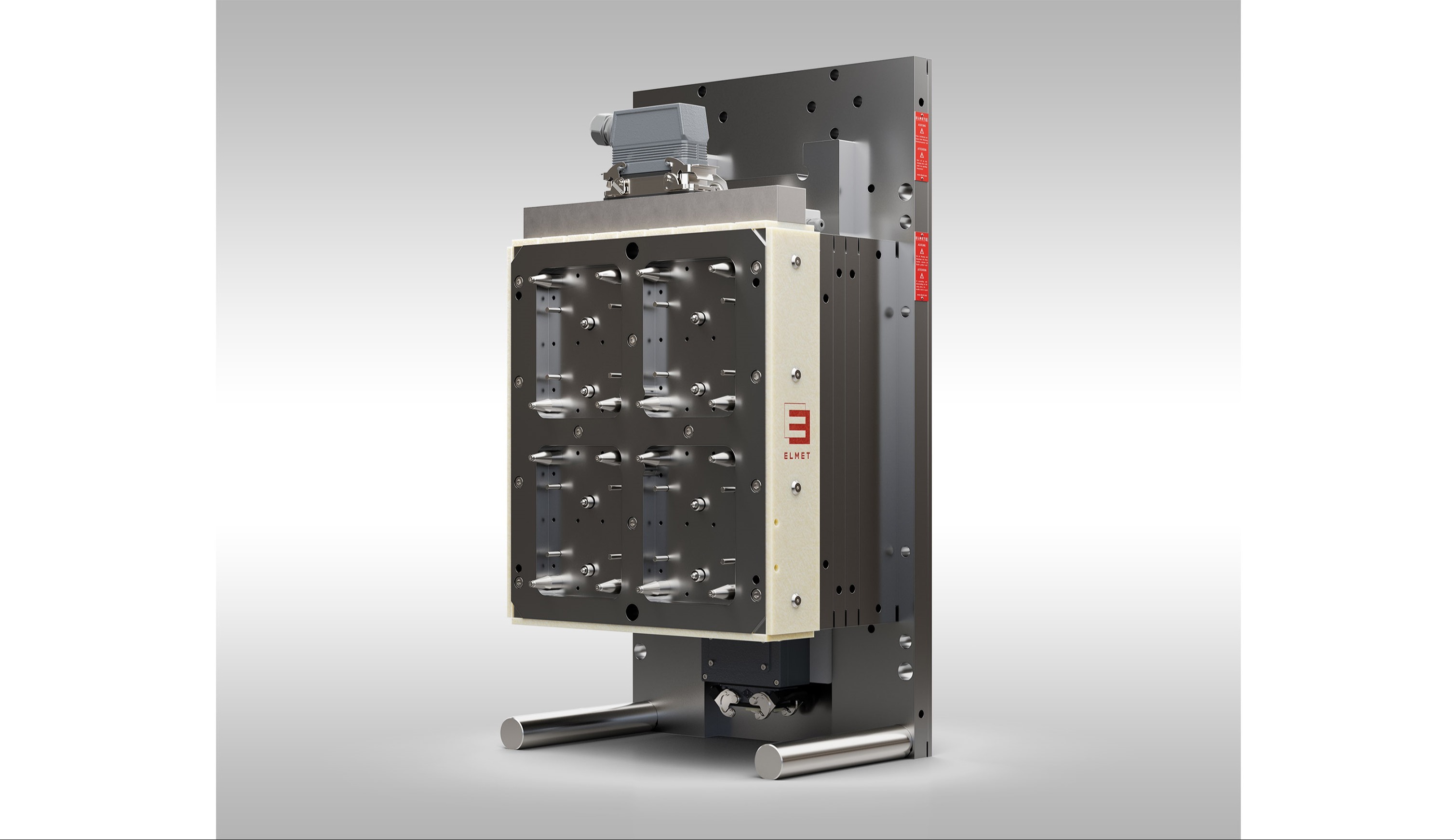
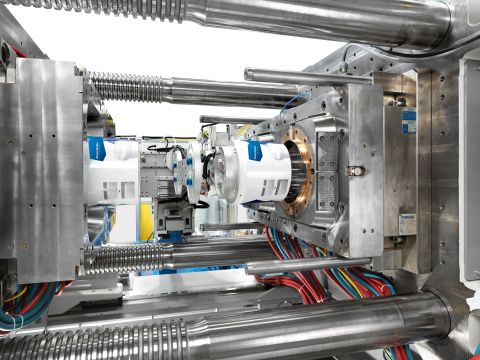
LSR mold specialist Elmet is currently developing SMARTshot I, an intelligent variant of cold runner measurement and control concept incorporating servoelectrically actuated nozzle needles.
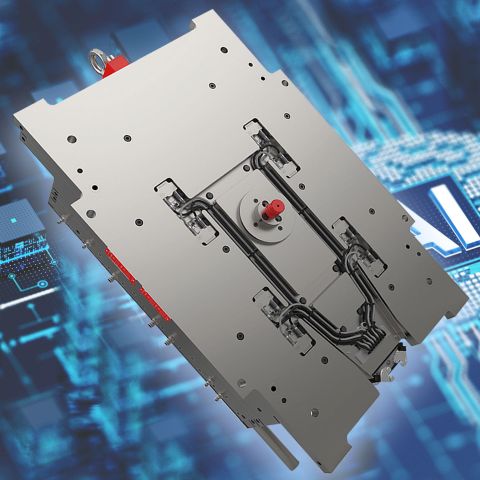
Elmet introduces AI in cold runner mold to optimize LSR injection molding.
The patent-pending SMARTshot I is based on the SMARTshot E, one of the first all-electric, servomotor-driven cold runner system for processing liquid silicone rubbers (LSR). Additional rheology-based features will be able to further improve controllability of the injection molding process by using artificial intelligence (AI) with self-learning functionality.
This upgrade can be set up or retrofitted on any existing SMARTshot E mold. In combination with compatible injection molding machines that have a suitable interface, it will then be available to any user.
More efficient and reliable with self-learning
The “I” technology is based on online rheometry for continuously optimizing the process and determining the actual material viscosity in the shear rate range of relevance to injection molding. This turns the cold runner into rheological measuring instrument.
In learning mode, the system automatically detects the volume of material required to fill a cavity, facilitating setup and optimization, especially with family molds with a number of cavities of differing sizes.
Ready for integrating AI, the system is set in future to be able to support self-controlled injection molding machines if SMARTshot I control is integrated into the machine at a later date.
Successful testing
At its current stage of development, the control software used for SMARTshot I enables precise measurement of cold runner signals and individual and dynamic adaptation of needle stroke to each cavity’s specific requirements.
In tests with a 16-cavity mold, the cold runner could be fully automatically balanced within 20 shots to such an extent the components produced only exhibited minimal weight fluctuations of 1.5%.
In addition, a reduction in process startup times of around 90% compared to manual adjustment by an operator would seem to be realistic. The forthcoming increase in CPU capacity will enable further improvements in this respect.
“We are also taking the first step toward introducing artificial intelligence, firstly into the mold and later into LSR processing as a whole. In future, AI will also assist with further automating and boosting the efficiency of LSR injection molding processes and will ensure we’re always pushing the envelope despite any potential stumbling blocks,” said Thorsten Häuser, development manager of Elmet.