



















Indonesia makes EPR mechanism mandatory for producers

Outlined in the 2025-2029 National Medium-Term Development Plan, Indonesia is upgrading the Extended Producer Responsibility (EPR) mechanism, which was previously voluntary, into a mandatory scheme for product manufacturers that use plastic packaging.
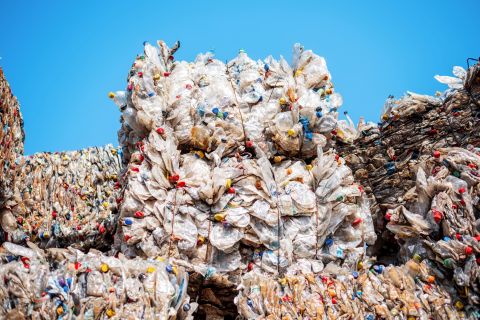
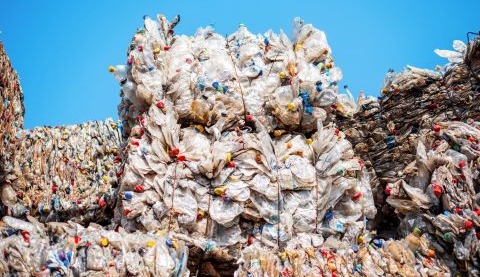
Indonesia makes EPR system mandatory for product manufacturers that use plastic packaging. (Source: freepik)
Hanif Faisol Nurofiq, Minister of Environment in the Indonesian government, emphasized that manufacturers must take greater responsibility for the waste generated by their products, especially single-use plastics that are harmful and difficult to decompose.
The regulation is expected to have a strong impact on many sectors, especially food and beverage, retail, manufacturing, cosmetics and services. Enterprises must develop specific collection and recycling plans and report periodically.
In parallel, the Ministry of Environment and Forestry is also promoting waste-to-energy projects in localities that generate more than 1,000 tons of waste per day. However, this is considered a last resort due to high costs and complex requirements.
Experts said that the mandatory EPR will create a fair playing field, forcing all businesses to share responsibility. However, Indonesia still faces major challenges when the collection and recycling system is not synchronized.
Making recycling mandatory is part of a broader strategy to achieve the government’s waste management targets by 2029, as outlined in the 2025-2029 National Medium-Term Development Plan. Previously, Indonesia banned plastic scrap imports from January 1, 2025.