
















Two Chinese chemical companies adopt BASF's PCF calculation methodology

BASF’s methodology to calculate product carbon footprints (PCF) is adopted by Zhejiang Guanghua Technology, a global manufacturer specializing in polyester resins for powder coatings, and Chongqing Hehui Pharmaceutical, a polyurethane catalysts company.
Both companies are applying “The Product Carbon Footprint Guideline for the Chemical Industry”, developed by the “Together for Sustainability” (TfS) and supported by BASF.
They are also adopting BASF’s methodology to calculate their PCF, which is in line with the Greenhouse Gas Accounting Systems, ISO 14067, and GB/T 24067 standards.
Polyester resins for powder coatings from Zhejiang Guanghua Technology
“KHUA’s polyester resin products serve as the main raw material for producing powder coatings. As a benchmark for sustainability in the global chemical industry, BASF’s climate neutrality roadmap and circular economy practices provide valuable references. We will jointly explore more efficient paths for carbon emission reduction,” said Jeffrey Sun, Chairman of Zhejiang Guanghua Technology.
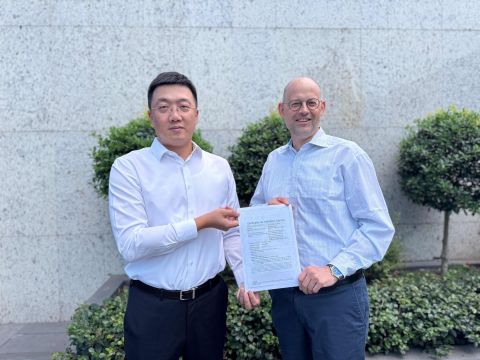
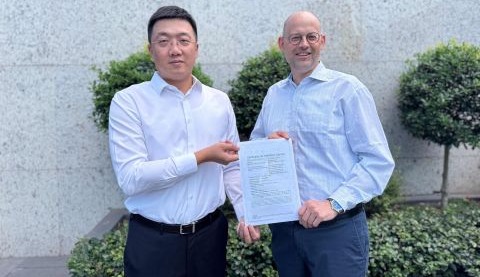
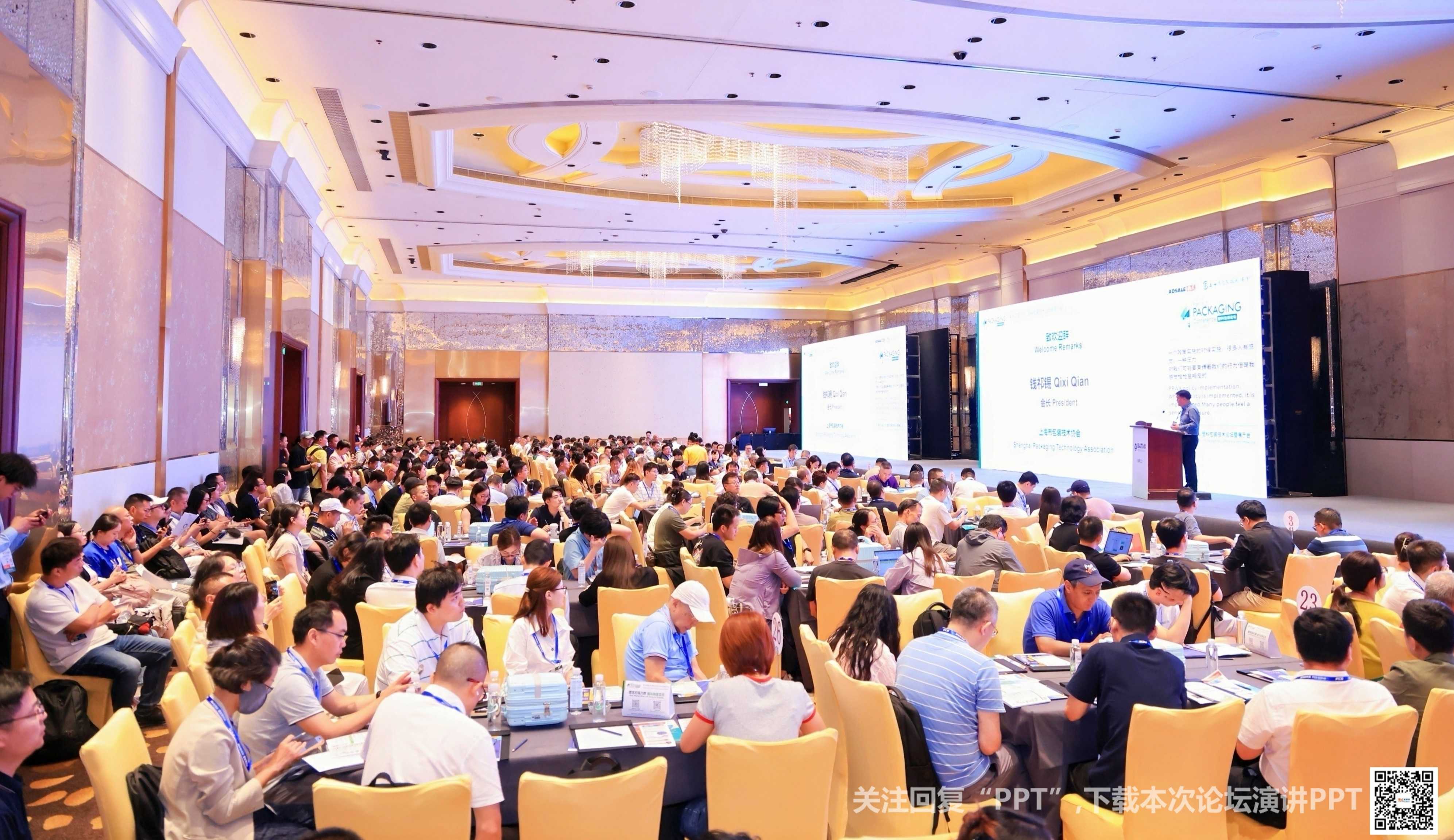
Michael Becker (right), Senior Vice President of Intermediates Asia Pacific at BASF, presents the PCF statement to Jeffrey Sun, Chairman of Zhejiang Guanghua Technology.
BASF supplies neopentyl glycol (NPG) for Zhejiang Guanghua Technology’s production of powder coating resins.
NPG is an intermediate mainly used in the production of powder coating resins, which are particularly successful for the coating of household appliances and in the construction industry.
Due to their low volatile organic compounds (VOC), powder coatings enable their users to comply with VOC emission standards by reducing the release of VOCs by up to 50% compared to liquid coatings.
BASF is one of the world’s leading NPG manufacturers, with production plants in Nanjing and Jilin, China; Ludwigshafen, Germany; and Freeport, Texas, the US.
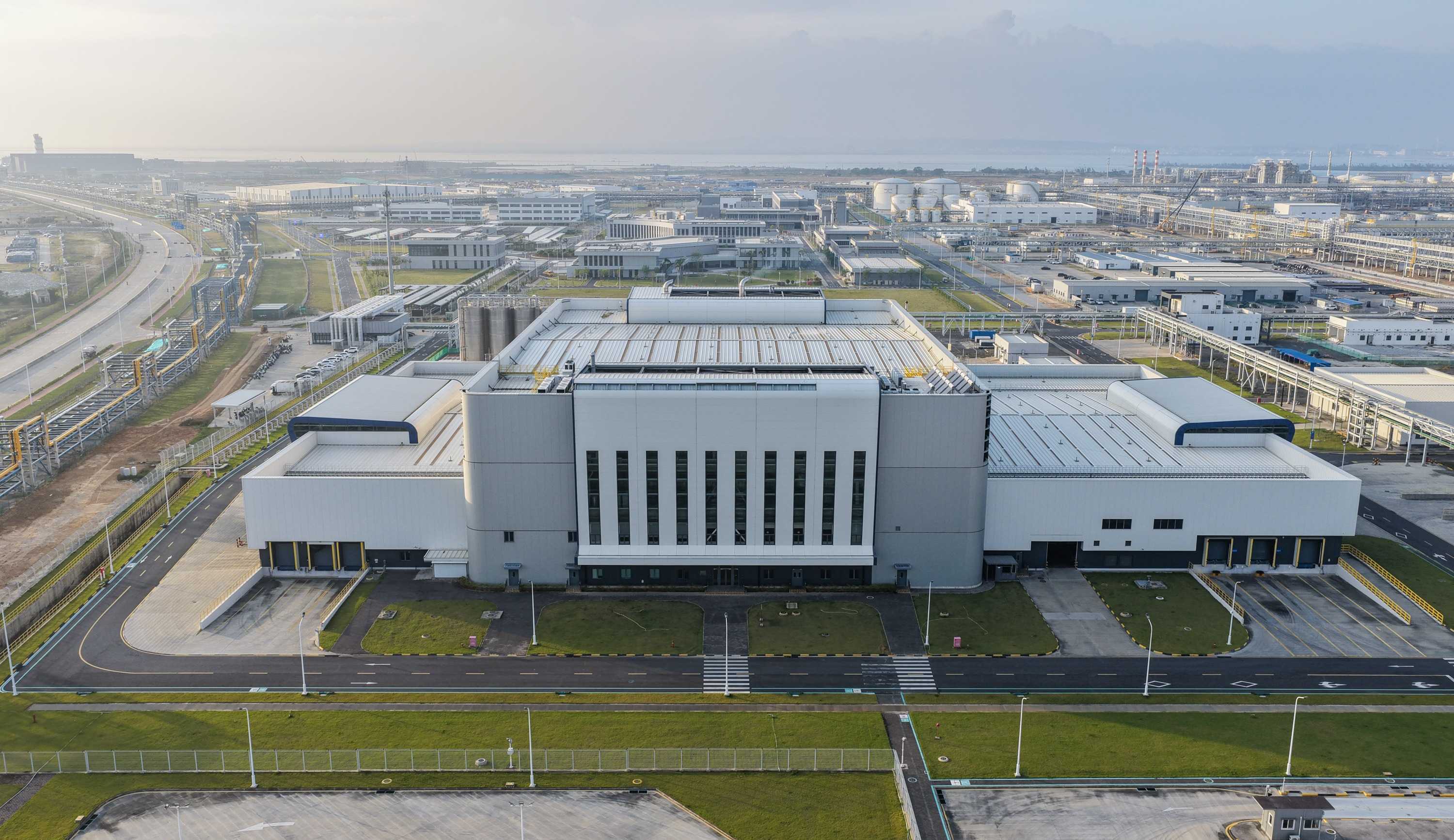
BASF is also building a new NPG plant at the Zhanjiang Verbund site in China, which is expected to be operational from Q4 2025.
Polyurethane catalyst from Chongqing Hehui Pharmaceutical
“BASF’s well-established system can help Hehui calculate our PCF more accurately, thereby achieving our carbon reduction goals. By collaborating with BASF, Hehui can gain a deeper understanding of TfS standards, while visualizing and digitizing its carbon emissions,” said Chen Liu, General Manager of Chongqing Hehui Pharmaceutical.
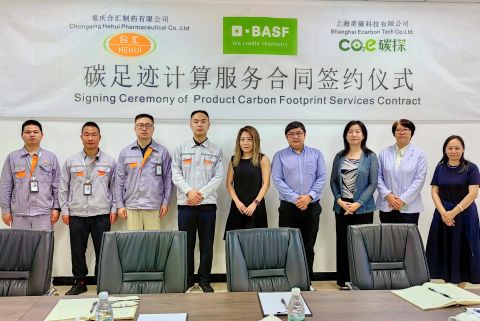
BASF and Chongqing Hehui Pharmaceutical signed PCF services contract.
The company’s targets in 2025 are to reduce total carbon emissions by 10% compared to 2024, and to achieve a 30% reduction in Scope 1 and Scope 2 emissions compared to 2023.
“Raw materials are a top priority in the entire carbon reduction supply chain. Therefore, the increasing proportion of our procurement from BASF provides strong support for Hehui’s carbon reduction initiatives,” Liu added.
Hehui is sourcing diethylenetriamine (DETA) from BASF for its polyurethane catalyst, pentamethyldiethylenetriamine (PMDETA).
DETA is used in a broad array of applications, mainly as wet-strength agents for paper, polyurethane catalysts, and curing agents. It can be used to produce PMDETA, which promotes the reaction of isocyanates with water and polyols, generating CO2 foam and forming foam-like structures that enhance thermal insulation and elasticity.
BASF is one of the world’s leading DETA manufacturers, with production plants in Nanjing, China; and Antwerp, Belgium.