















BASF launches low electrical conductivity coolants for EV battery

BASF has launched the new GLYSANTIN ELECTRIFIED low electrical conductivity coolants (LECCs) to enhance the safety and stability of battery systems in electric vehicles.
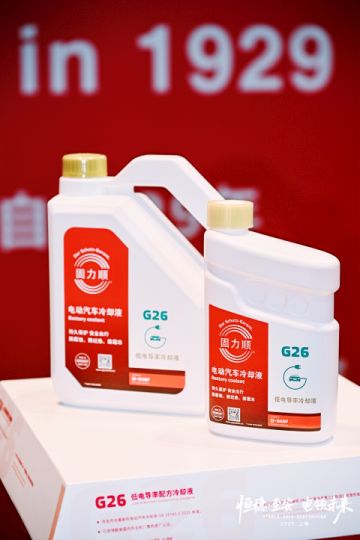
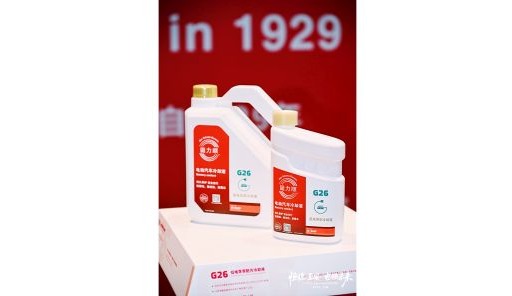
BASF’s new GLYSANTIN ELECTRIFIED low electrical conductivity coolants.
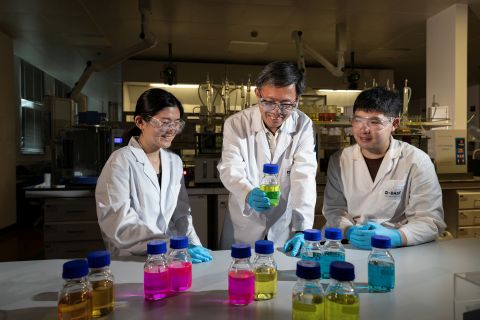
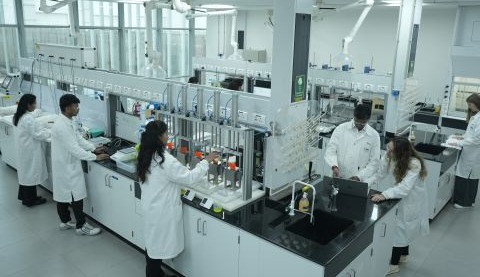
Researchers evaluate color samples of the new low electrical conductivity coolants in a BASF lab in Shanghai, China.
Complying with the new GB 29743.2-2025 standard, which comes into effect on October 1 in China, these coolants are engineered to mitigate risks associated with battery failures, thereby improving overall vehicle safety and longevity.
BASF’s LECCs maintain low and stable currents when exposed to high-voltage components, minimizing fluid decomposition and hydrogen generation. These features help prevent overheating, fire and explosion, enhancing both the safety and long-term stability of batteries.
Additionally, the new coolants offer excellent corrosion protection and compatibility with various materials, having received certification from external testing institutes such as SGS and RATTC, a subsidiary of the Ministry of Transport of China.
BASF has commenced production of the new LECCs at its Pudong site in China, the largest market for new energy vehicles. This move accelerates BASF's strategy tailored to regional and local markets and highlights the synergy between its global R&D capabilities and local operations.
“The initial launch of LECCs is focused on China, where we see primary customer interest. When this interest grows outside of China, we will continue to leverage our global presence and technical expertise to serve our customers seamlessly,” said Matthias Lang, Vice President, Business Management of Fuel and Lubricant Solutions Asia Pacific.