







GCR launches certified, high performing PCR polyolefins

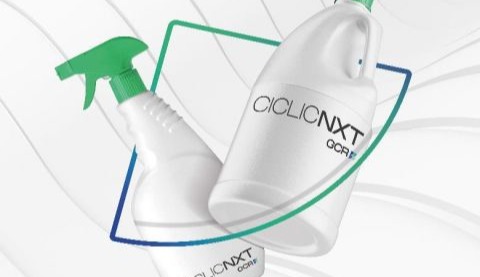
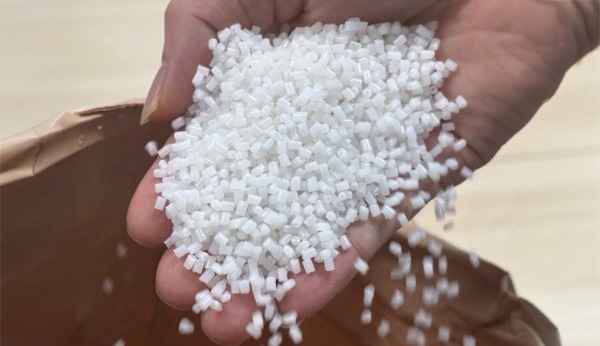
GCR launches CICLICNXT, a next-generation line of certified, high-performance post-consumer recycled (PCR) polyolefins, engineered to meet the rigorous demands of industrial-scale production without compromising on performance, reliability and sustainability.
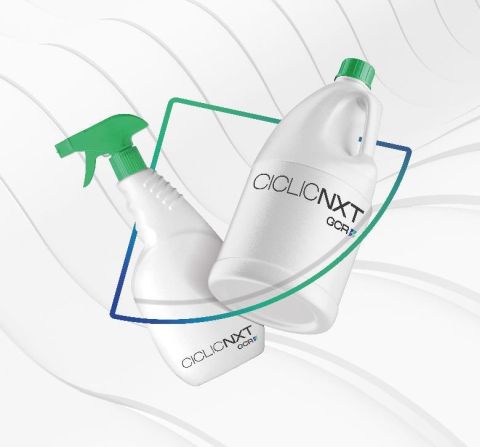
GCR launches CICLICNXT, a next-generation certified, high-performance PCR polyolefins.
CICLICNXT offers mechanical, thermal and processing properties comparable to virgin polymers, enabling companies to accelerate their sustainability goals without trade-offs in scale or technical specifications.
The brand is also approved with a portfolio of internationally recognized certifications, including:
ISO 9001:2015 – TÜV-certified Quality Management System
ISO 14001:2015 – TÜV-certified Environmental Management System
PAS 2050:2011 – TÜV-certified Product Carbon Footprint
Product Carbon Footprint – Regular Surveillance – TÜV-certified
ISCC (International Sustainability and Carbon Certification)
RecyClass Recycling Process Certification in accordance with EN 15343
OCS Europe (Operation Clean Sweep) – Certified by AENOR
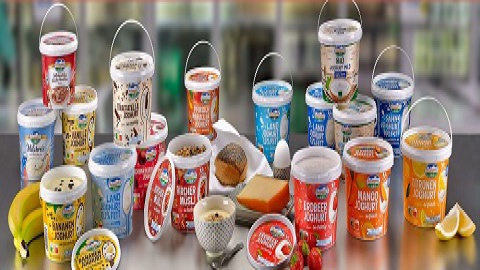
With a growing portfolio of grades, CICLICNXT supports a wide range of non-food contact applications, including:
Rigid and flexible packaging
Personal care
Household products
Building materials
Consumer goods
GCR’s recycling plant
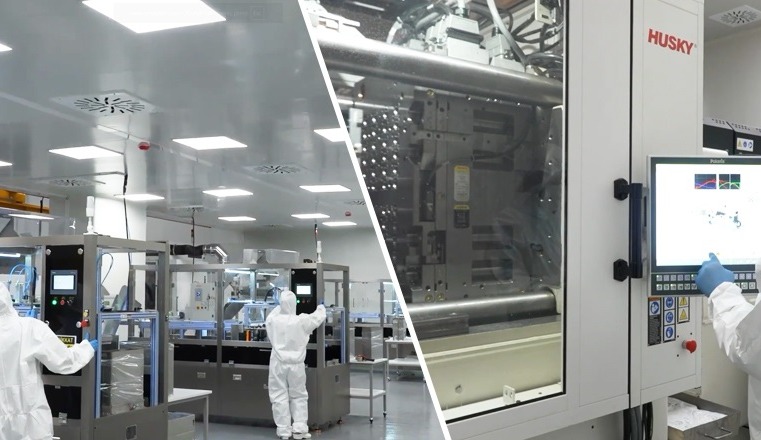
As one of Europe’s most advanced mechanical recycling plants, GCR’s facility processes 100,000 metric tons per year of post-consumer material, including 80,000 tons of rigid and 20,000 tons of flexible polyolefins.
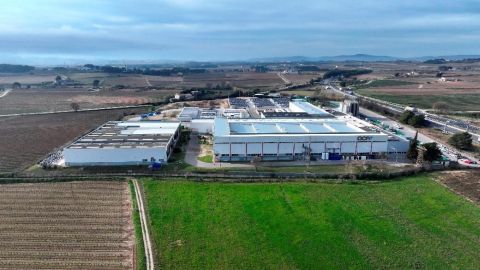
GCR Recycling Plant.
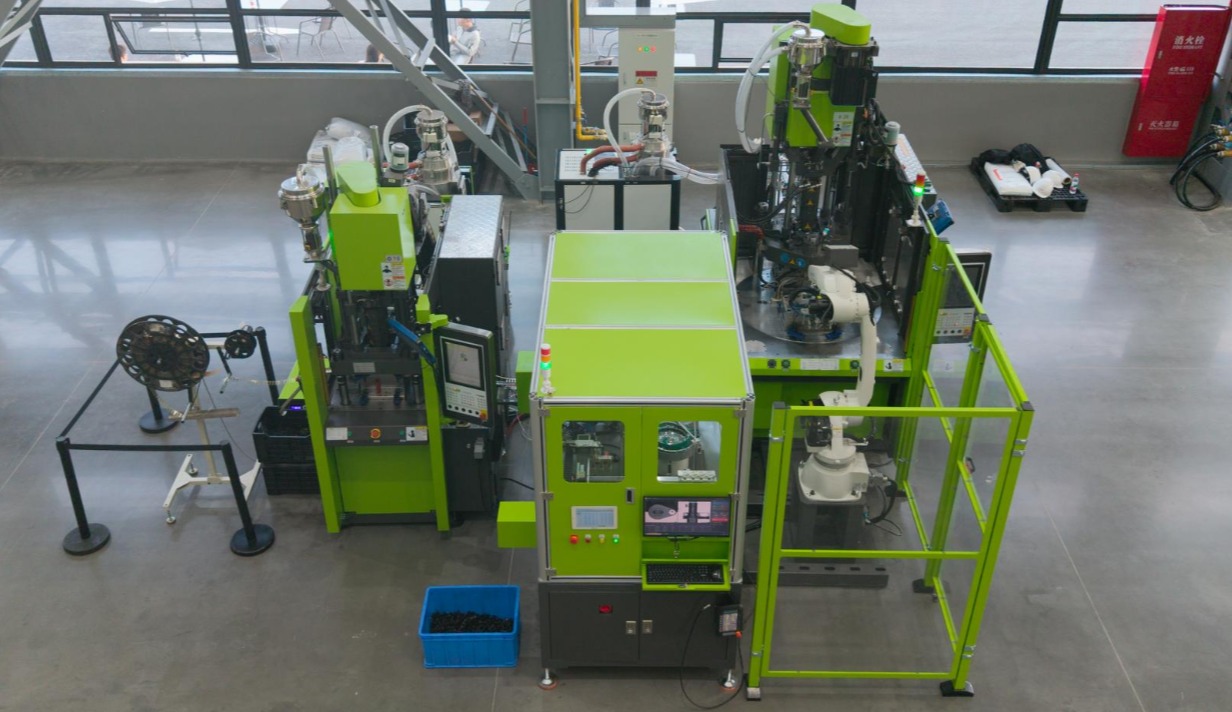
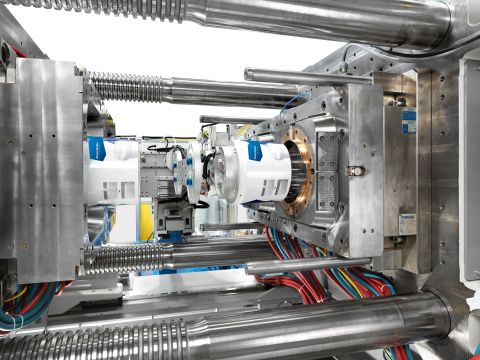
The plant integrates state-of-the-art sorting, washing, and compounding technology, low-energy processing, and a closed-loop water purification system, making it one of the most resource-efficient operations in the industry.
Additionally, GCR’s recycling plant features advanced analytical tools, including gas chromatography systems. This technology enables precise detection of VOCs (volatile organic compounds), NVOCs (non-volatile organic compounds), and other contaminants such as SOIs (substances of interest)—in recycled material streams, ensuring higher material purity, improved consistency, and safer, more reliable recycled products for customers.