























Borealis’ renewable polyolefins cut Scope 3 emissions for lab filtration devices

Cytiva, a global leader in life sciences, has introduced Borealis’ ISCC PLUS-certified renewable polyolefins Bornewables into its lab filtration devices, reducing Scope 3 emissions while maintaining the high performance required for demanding healthcare applications.
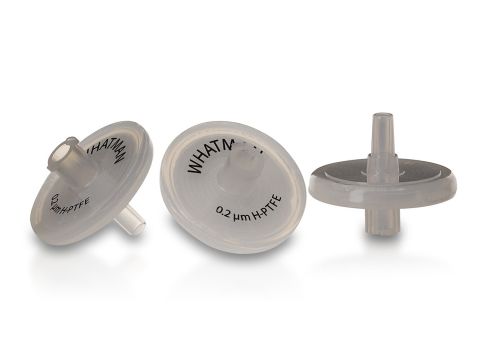
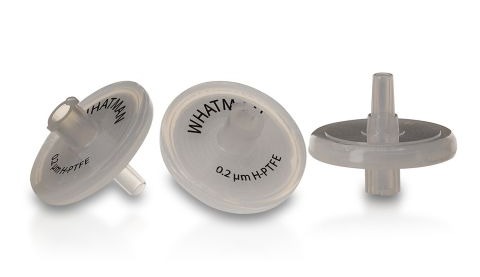
Cytiva has introduced Borealis’ Bornewables renewable polyolefins into its Whatman syringe filters.
Borealis’ Bormed portfolio, a specialized range of polyolefins developed specifically for healthcare applications, was chosen for Cytiva’s widely used Whatman Puradisc and GD/X filtration devices – sterile and non-sterile syringe filters that provide fast and efficient filtration.
The filtration device need to meet stringent performance standards, including the ability to withstand sterilization processes such as gamma irradiation. In addition, any renewable solution had to be a drop-in replacement, seamlessly fitting into existing production processes and fully compliant with the rigorous standards of the life sciences industry.
“At Cytiva, we know that the material choices we make directly influence our Scope 3 emissions. Introducing renewable resins into our filtration devices shows that we can reduce our footprint without compromising the performance and reliability our customers depend on. It’s an important step in our journey toward more sustainable laboratory solutions,” said Lacy Linney, Sustainability Product Transparency & Commercial Leader from Cytiva.
The Bornewables version of Bormed HD810MO, which is produced using renewable feedstock derived entirely from waste and residue streams, is used. The feedstock is ISCC PLUS-certified, ensuring full traceability from origin to resin, and Cytiva has achieved ISCC PLUS certification through to the final product, enabling verifiable sustainability claims.
The material also offers resistance to gamma sterilization and functions as a drop-in alternative to fossil-based resins, allowing Cytiva to maintain performance while reducing the environmental footprint of its products.
“This project is a strong example of how we collaborate across the value chain to deliver materials that combine uncompromising performance with verifiable sustainability benefits,” commented Martin Fraissler, Senior Application Marketing Manager Healthcare at Borealis.