












EU proposes new strategy to boost bioeconomy

In 2023, the EU bioeconomy had a value of EUR 2.7 trillion. With its new strategy for bioeconomy, the EU aims to further unlock the bioeconomy’s potential to help it replace fossil-based materials and products, leading the global shift to clean industries.

The EU proposes new strategy for bioeconomy.
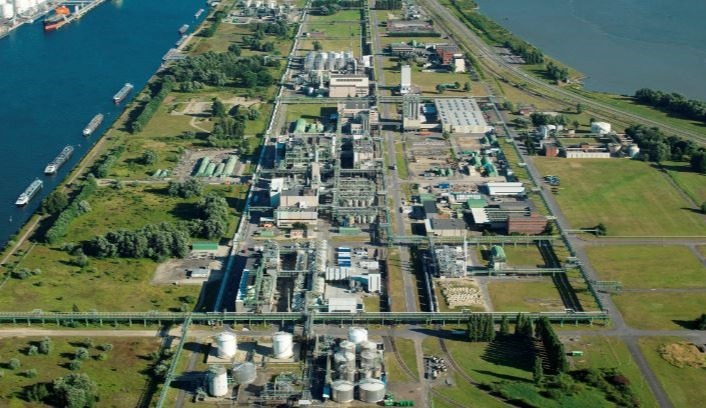
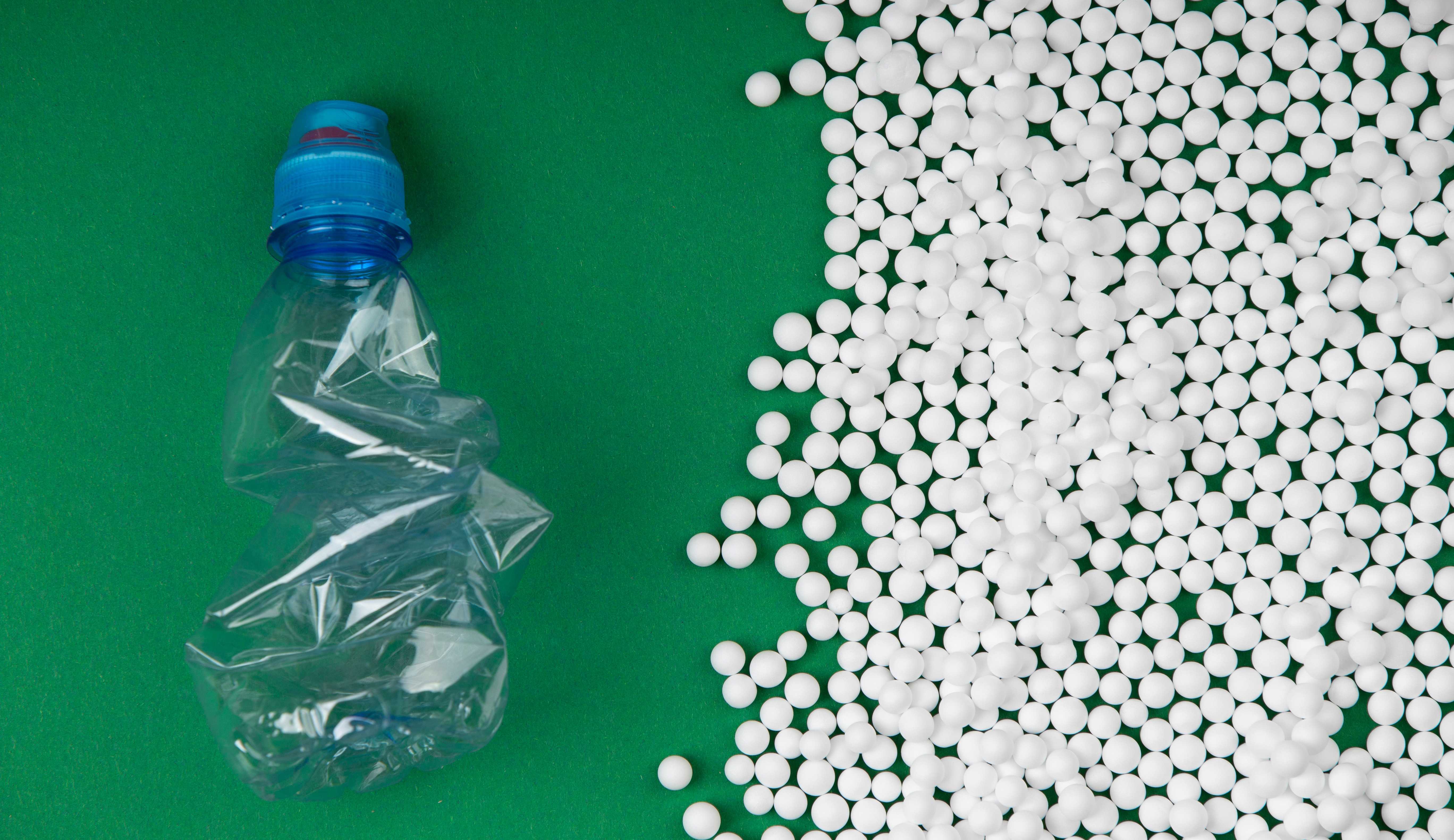
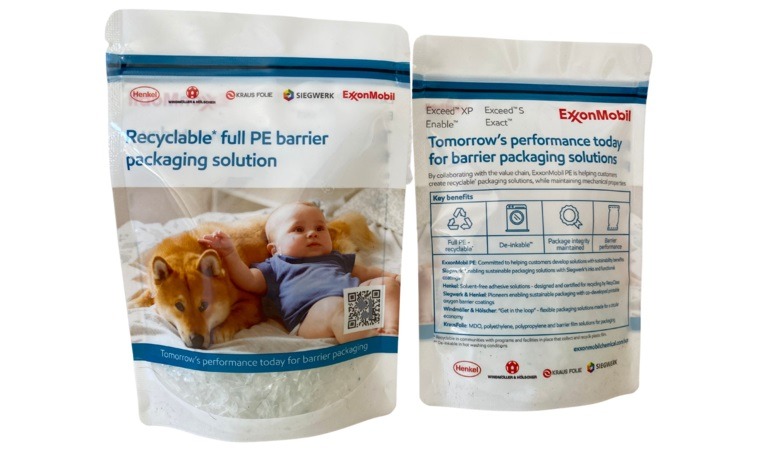
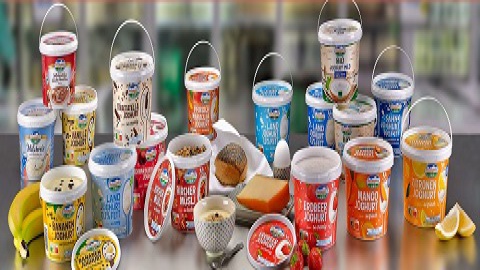
Bio-based products derive from biological resources on land and in the sea. Bio-based chemicals, for example, can be made from algae that are used to produce pharmaceuticals, personal care products and industrial applications. Bio-based plastics are used in packaging and automotive parts. And bio-based construction productions, textile fibers and fertilizers are increasingly in demand.
The proposed new Strategy will support activities that provide sustainable practical solutions and alternatives to critical raw materials using our biological resources in the following ways:
1. Make bio-based innovations a reality
scale up bio-based innovations using a combination of public and private investments, as well as a streamlined regulatory environment
ensure faster, clearer and simpler approvals for innovative solutions, especially for small businesses
invest in bio-based technologies and establish a bioeconomy investment deployment group to stimulate private investment
2. Develop lead markets for bio-based materials and technologies
boost demand for bio-based content in products, for example, by setting targets in relevant legislation
set up a bio-based Europe alliance, which would gather EU companies to collectively purchase bio-based solutions
3. Secure a sustainable use of biomass
promote circularity and enhance the value of secondary biomass, such as agricultural residues, by-products, and organic waste
set up initiatives rewarding farmers and foresters who protect soils, enhance carbon sinks and support sustainable biomass use
4. Harness global opportunities
support European industry in accessing global markets by securing partnerships that reduce vulnerability and ensuring that Europe is not dependent on a single region or a single resource
The new strategy builds on the 2012 Bioeconomy strategy and the reviews carried out in 2018 and 2022, shifting the focus towards industrial deployment, market scale-up, competitiveness and resilience.