










Chongqing Wolf Chemical launches new PPS for vehicle capacitor

In the core of electric control system in new energy vehicles (NEVs), capacitor is an electronic component that ensures stable electricity transfer and electric pressure, which is essential to vehicle performance and safety.
This application has faced long-term bottleneck in material choice – traditional PPS for capacitor housing struggles to bond well with epoxy potting material in high-temperature and high-humidity environment.
Under the 85°C/85% RH test after 1,000 hours, mainstream material used in the industry delivers only 40% adhesion. This hinders service life and reliability of capacitor.
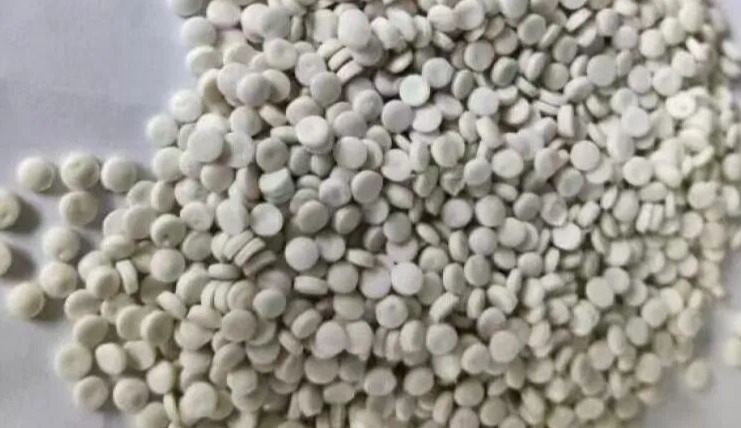
Tackling this weakness, Chongqing Wolf Chemical Co., Ltd. has recently launched specialized PPS material – Wolf-PPS HT series. Under the same test, the new series delivers over 90% adhesiveness, making a breakthrough in supporting reliable operation for vehicle capacitor.

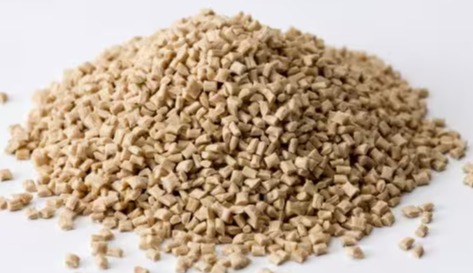
Chongqing Wolf Chemical launches new PPS material for vehicle capacitor.
Core theory
Different from traditional material which enhance compatibility through additives, the new material alters molecular structure of PPS and adds hydrolysis-resistant active group for strong bonding with epoxy potting material.
Under microscope view, traditional material is ineffective at the bonding surface (which causes epoxy to peel or delaminate from the PPS housing) while the new material is ineffective in the material body. This reflects that the interface strength is stronger than the strength of the new material, which helps overcome the peeling problem.
Features and applications
Wolf-PPS HT series features the following:
High reliability and durability: Stable performance even under long-time high-temperature and high-humidity environment
Strong bonding: Ineffectiveness transfer from interface to material itself
Outstanding processability: Maintaining excellent fluidity and stability of PPS, which is suitable for high-precision injection molding
Wide compatibility: Compatible to multiple mainstream epoxy potting materials
The new material is mainly used in demanding applications such as new energy vehicles (NEVs), photovoltaic, and railway and transport.
The launch of Wolf-PPS HT series marks a breakthrough in improving reliability of key electronic components, providing a more stable and durable key material for high-end manufacturing industries.