



















EU pilot actions to accelerate Europe’s transition to circular economy

The European Commission has unveiled a first set of pilot actions to accelerate Europe’s transition to a circular economy, with particular focus on the plastics sector.
The Commission is pursuing a two-step approach. In the first step, a set of concrete short-term actions to support circularity in particular in plastics sector, while encouraging investment and innovation more broadly. Second, in 2026, the Commission will propose a Circular Economy Act with further horizontal measures that will improve the functioning of the Single Market for secondary raw materials.
Overcoming market fragmentation
The absence of harmonized and predictable EU-wide rules for the free movement of recycled plastics has led to a fragmented market. The following measures will contribute to a more integrated market for plastics.
The Commission is presenting an implementing act to create EU-wide end-of-waste criteria for plastics under the Waste Framework Directive. Setting EU-wide standards on when recycled materials are again considered materials for re-use is a key step to establish a Single Market for recycled plastics, simplify administrative procedures for recyclers, particularly small and medium-sized enterprises, and ensure a stable supply of high-quality recyclates across Europe.
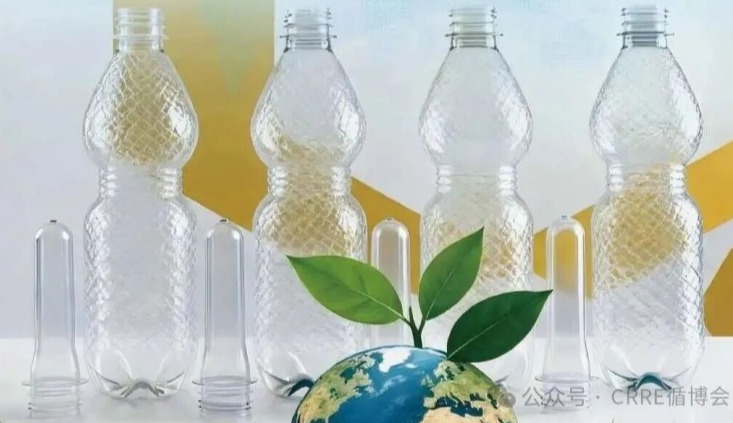
The Commission is also presenting an implementing act concerning the recycled content of PET single-use plastic beverage bottles under the Single-Use Plastics Directive. These rules could create new opportunities for chemical and mechanical recycling methods. A clearer regulatory framework is also expected to improve legal certainty, helping to unlock investment in chemical recycling across Europe.
The Commission also plans to relaunch and strengthen the Circular Plastics Alliance, reinforcing it as a structured and inclusive platform for cooperation across the plastics value chain, to identify priorities and address key challenges affecting the competitiveness and circularity of the European plastics sector.
Ensuring fair competition between EU-made and imported plastics
To ensure fair competition between EU-made and imported plastics, the Commission is creating separate customs codes for virgin and recycled plastics. This will support enforcement of EU rules on imported plastics by customs and national market surveillance authorities.
The Commission is also announcing monitoring efforts for EU and global markets for virgin and recycled plastics which will inform potential trade measures to ensure fair competition between EU-produced and imported plastics.
Encouraging investment and innovation
The Commission will step up support for circular projects, leveraging collaboration with national banks and the European Investment Bank. It will support Trans-Regional Circularity Hubs by setting up a Competitiveness Coordination Tool (CCT) pilot. The hubs will encourage smart specialization and cross border cooperation to scale up recycling and circular practices.
Evaluating the impact of the Single-Use Plastics Directive
The Commission also launched a public consultation and call for evidence to evaluate the Single-Use Plastics Directive (SUPD). This is the first step in examining how well the Directive has reduced the impact of certain plastic products on the marine environment and on human health, while promoting a circular, innovative and sustainable economy.