









Prevented Ocean Plastic used in over 1000 product lines packaging

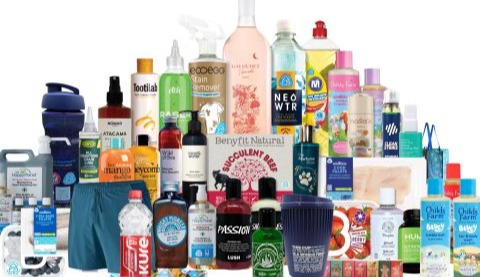
By now, over 1000 product lines have been packaged using Prevented Ocean Plastic, which helps multiple sectors to meet recycled content aim, traceability, and performance requirements.
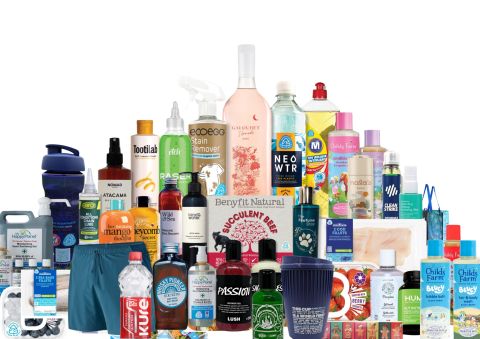
Prevented Ocean Plastic is used in more than 1000 product lines across multiple sectors.
“Reaching 1,000 products shows that responsible sourcing in recycling can continue to scale. This milestone reflects the commitment of the entire supply chain to create value for collectors, recyclers, and manufacturers, brand partners, and shoppers- working together to prove that environmental responsibility and commercial performance are not opposing forces,” said Raffi Schieir, Director of the Prevented Ocean Plastic Programme.
Launched in 2020, Prevented Ocean Plastic works with coastal communities to build infrastructure in areas that need support to prevent the flow of global ocean plastic, collecting, sorting and recycling discarded material before it reaches the water.
Five years on, the program has grown from a sustainable supply chain thought leader into a global franchise model supporting businesses and brands across multiple sectors to meet recycled content, traceability and performance requirements at scale. Prevented Ocean Plastic and its partners have helped over 3 billion plastic bottles from entering the ocean over the last five years.
Promoting sustainable packaging across multiple sectors
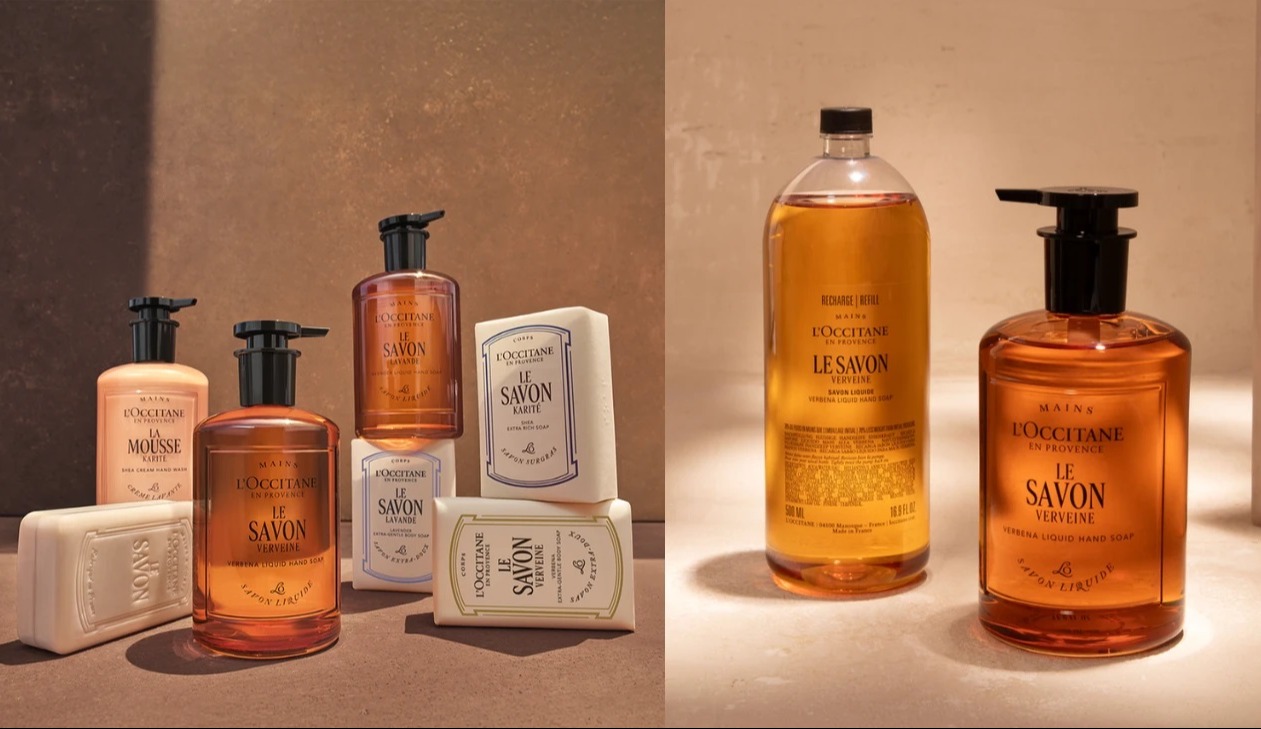
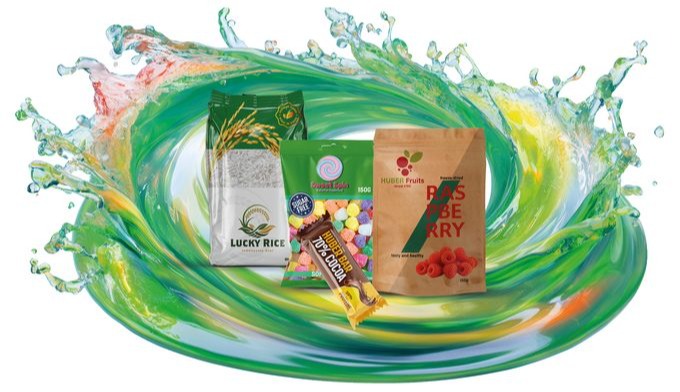
The Prevented Ocean Plastic logo first appeared on packaging for chilled fish sold in LIDL UK stores, five years ago. Today, the logo is visible across a wide range of applications including cosmetics, household and cleaning products, health and personal care, pet care, and food and drink.
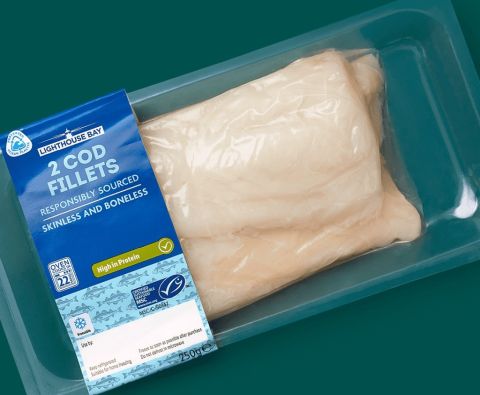
Prevented Ocean Plastic is used in packaging for chilled fish.
Early users included Sainsburys and Childs Farm, while LVMH shipped its first wine bottled in Prevented Ocean Plastic in 2023, and British cosmetics retailer LUSH began adopting the material in 2024.
LUSH first introduced Prevented Ocean Plastic bottles in the UK, then expanded across Europe, and has since rolled out across eight Asian markets, with further global expansion ongoing.
More recent adopters include Scottish Fine Soaps, Give Me Cosmetics and Salt of the Earth deodorant, reflecting continued momentum across both established and emerging brands.
Expanding food-safe rPP applications
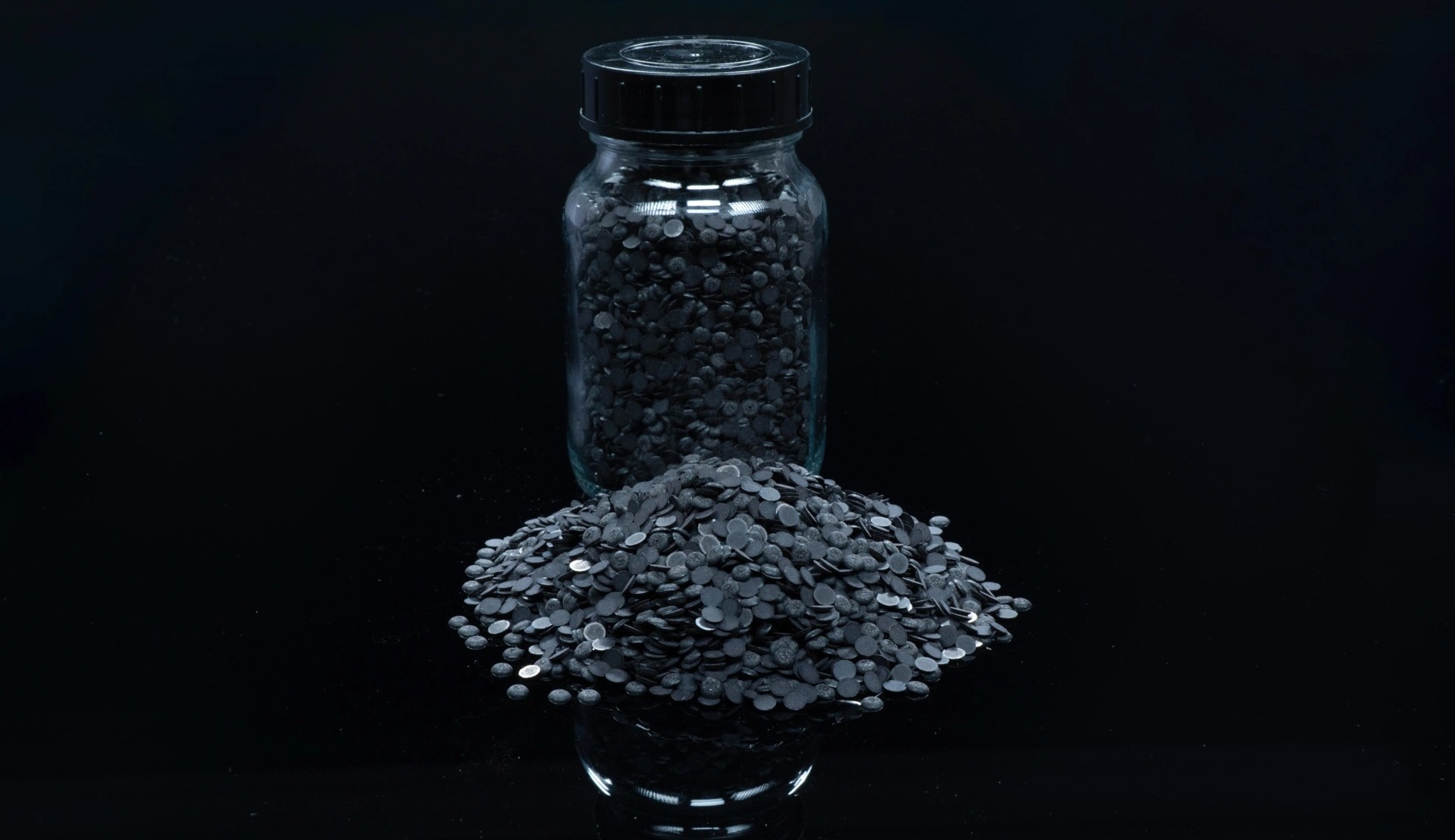
In 2025, the program announced a world-first- food-safe recycled polypropylene (rPP) produced to the European standard.
Polypropylene is one of the most widely used yet least recycled plastics globally, commonly found in cups, bottles, caps and films, with a post-consumer recycling rate of around 1%.
This breakthrough means the collection of discarded PP can be properly incentivized, and the material can finally be recycled at scale and turned into high-quality food-safe packaging for consumer use.
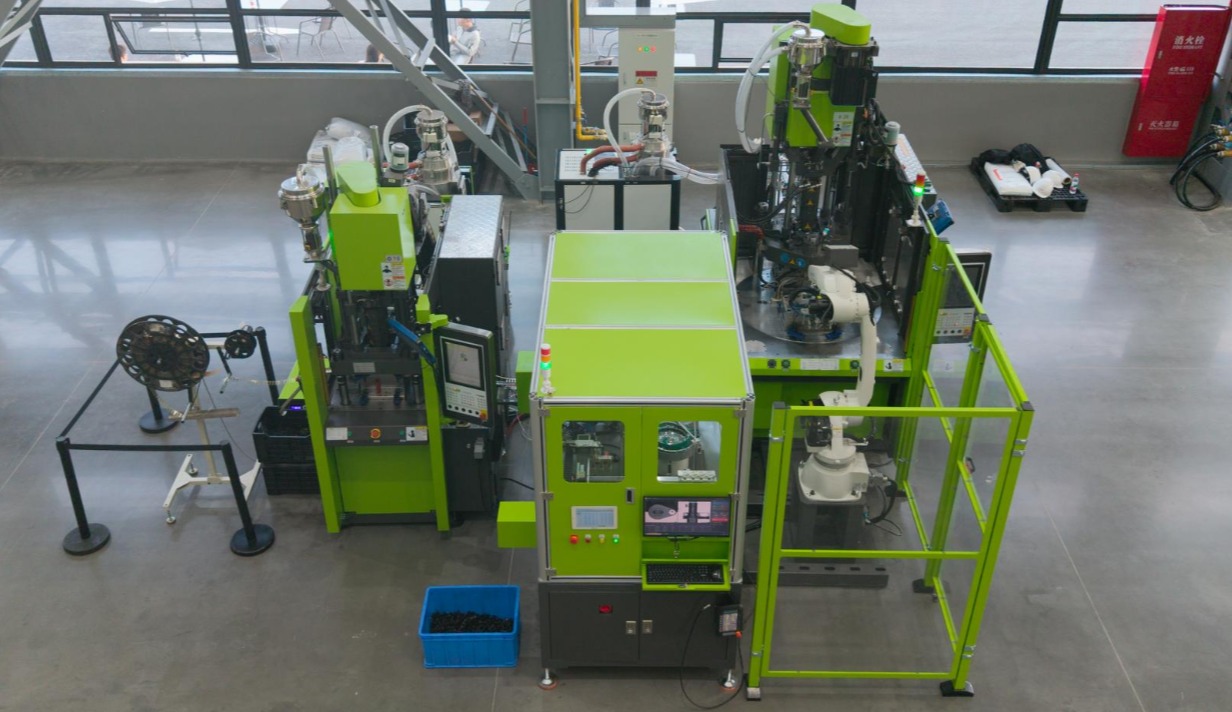
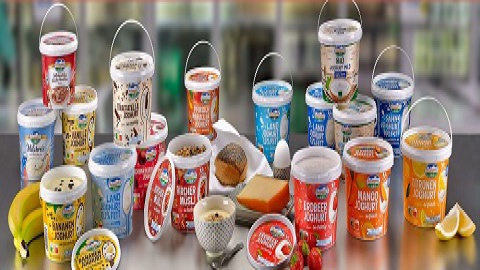
Prevented Ocean Plastic rPP products are already making their way to market in bottles, caps, trays, and film, along with two reusable coffee cups made with 50% Prevented Ocean Plastic launched by a UK manufacturer.
With recycled HDPE also in development, the range of products using Prevented Ocean Plastic is expected to continue expanding.