






Groundbreaking smart pyrolysis recycling pilot plant for PU waste recycling

Covestro and the Fraunhofer Institute for Environmental, Safety and Energy Technology UMSICHT have signed a contract to operate a 2kt per year pilot plant for smart pyrolysis of rigid polyurethane foam waste.
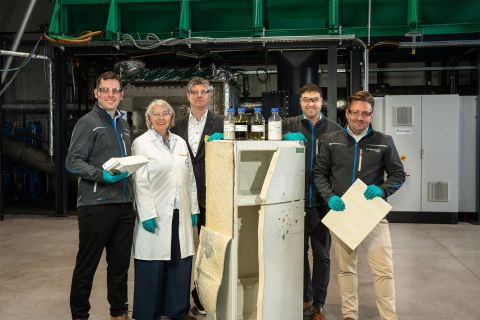
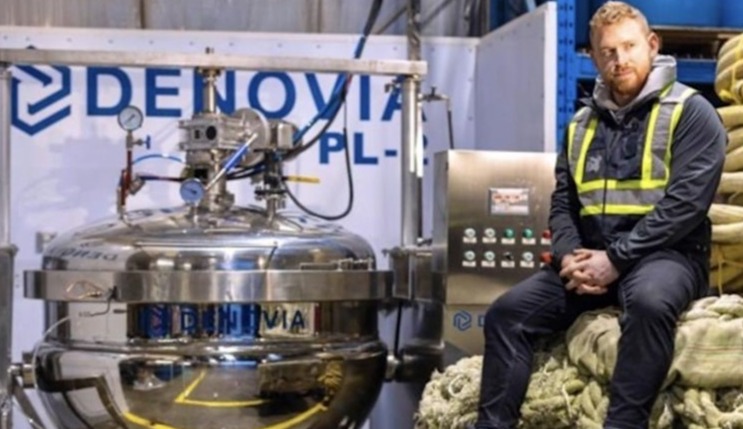
Project team from Covestro and Fraunhofer UMSICHT.
This agreement marks a significant milestone in scaling up the technology to convert insulation waste from appliance and construction into high-purity re-aniline for the production of MDI (methylene diphenyl diisocyanate).
CIRCULAR FOAM project as technological base
The chemical recycling technology developed by Covestro and Fraunhofer UMSICHT offers a viable path forward by breaking molecular bonds to recover valuable raw materials that would otherwise be lost.
The technological development builds on extensive research within CIRCULAR FOAM, an EU-funded flagship project coordinated by Covestro with Fraunhofer UMSICHT and 23 other partners across Europe. After successful laboratory and mini-plant scale demonstrations, the smart pyrolysis pilot plant represents the critical next step toward commercial implementation.
Real closed-loop: Pilot plant for commercial implementation
Under the agreement, Fraunhofer UMSICHT will draw on its pyrolysis research expertise and existing chemical recycling infrastructure to implement and scale up Covestro's proprietary smart pyrolysis process.
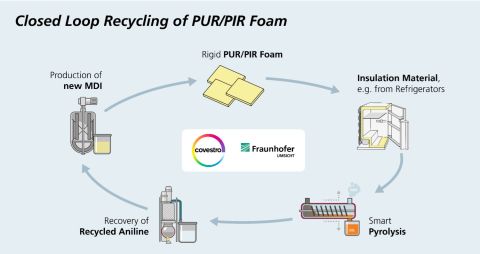
The closed loop recycling of PUR/PIR foam.
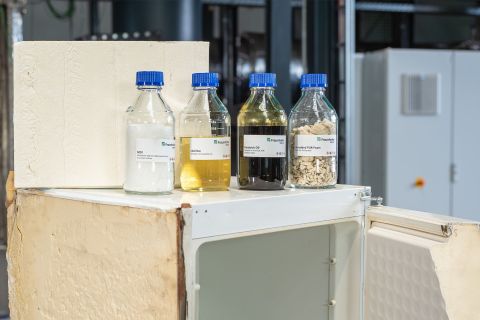
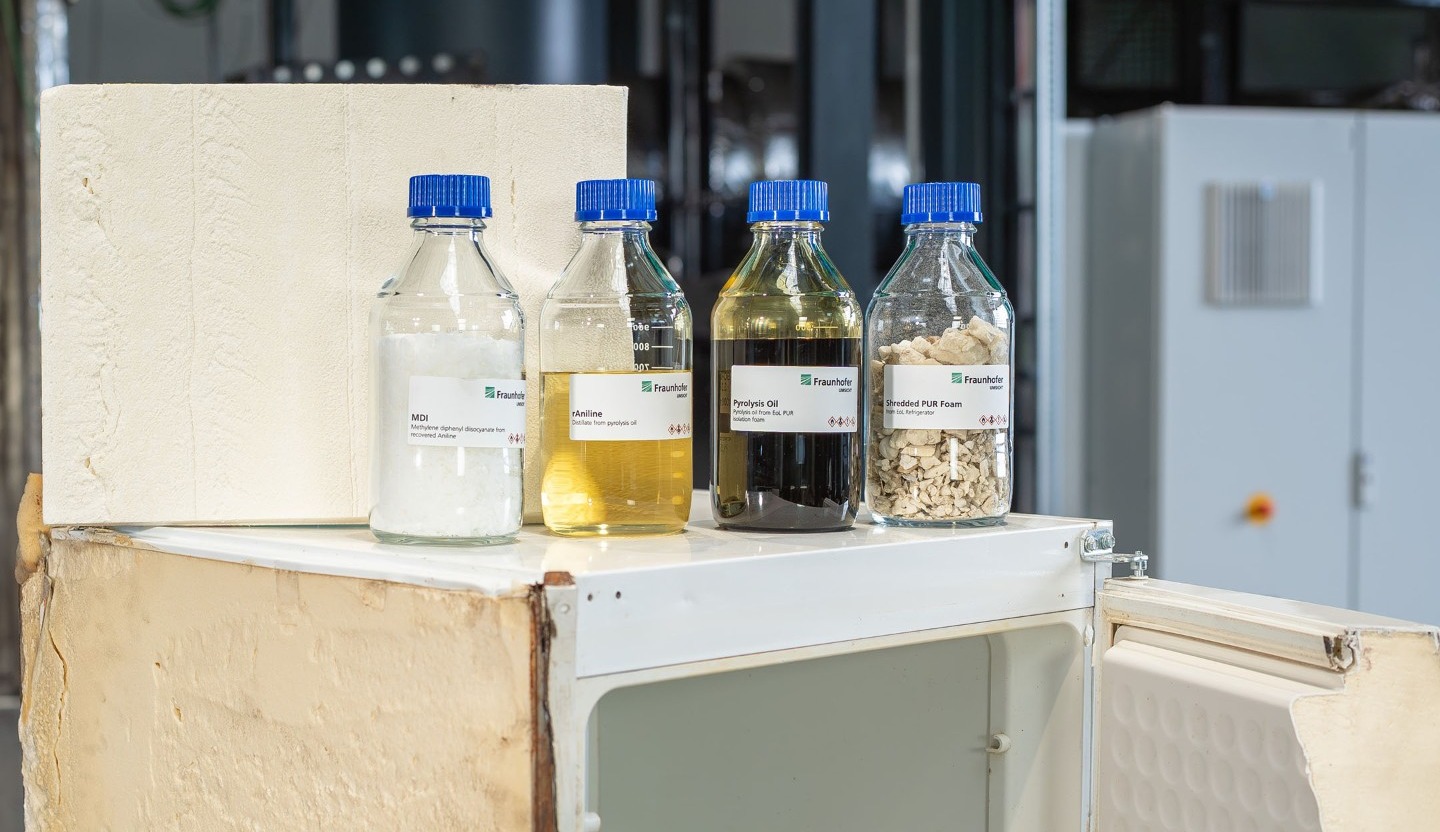
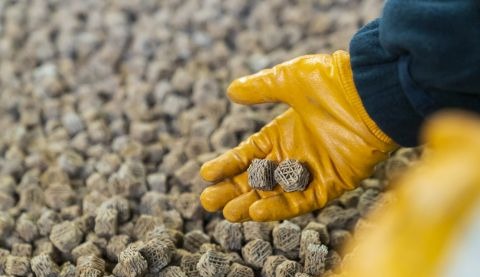
Pyrolysis oil (2nd from right) is produced from rigid foam waste (right). Aniline of high purity is extracted from this (3rd from right), which is used as a raw material for MDI. MDI is the most important raw material for polyurethane foams.
The resulting MDI meets the same purity standards as conventional MDI with up to 40% improved carbon footprint compared to conventional fossil-based production routes.
The pilot plant has an annual capacity to recycle 2kt of end-of-life foam per year. The resulting amount of aniline could be used to produce insulation for roughly 200.000 refrigerators.
The new plant is scheduled to begin operations in mid-2028 and will process rigid PUR/PIR foam waste primarily from end-of-life insulation PU materials. The technology specifically targets rigid foam because it is notoriously difficult to recycle due to its crosslinked molecular structure.