








Starlinger debuts PP*STAR pinch bottom conversion technology

"The strongest growth region at the moment is South East Asia where rising middle class consumption and export manufacturing are driving demand."
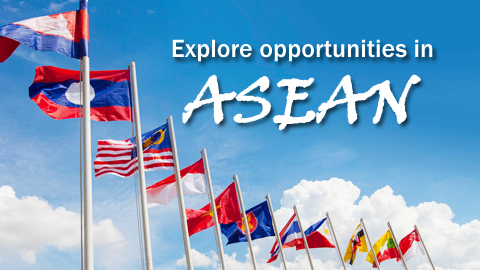
Amid a modest increase forecasted for the 2026 plastics market, China remains the dominant global demand driver and capacity hub, with robust growth expected to come from South East Asia, according to Harald Neumüller, CSO Starlinger & Co Gesellschaft m.b.H.
"Currently, the plastics market is neither in a boom phase nor in a downturn and shows modest growth," he says, explaining that current market developments are affected by factors including overcapacities from previous years, geopolitical issues such as tariffs, supply chain fragmentation and increased regionalization, as well as oil price volatility and logistics disruptions.
However, although China still remains the dominant global demand driver and capacity hub, he is wary of a continual weakening of consumer demand there. "As we see it, the strongest growth region at the moment is South East Asia where rising middle class consumption and export manufacturing are driving demand," he says.
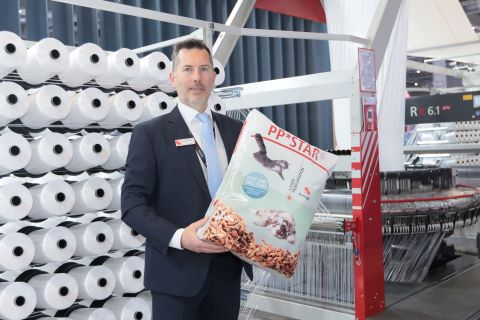
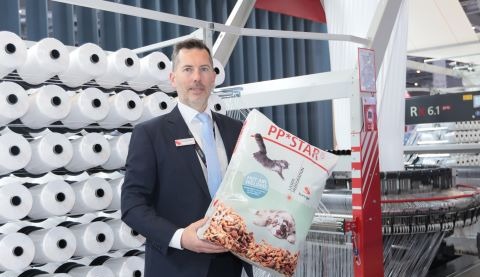
Harald Neumüller, CSO Starlinger & Co Gesellschaft m.b.H.
Key market trends and growth sectors
Neumüller points out that major growth drivers can be the recovery of the markets and the increasing demand in Asia. In particular, packaging demand and sustainability-driven innovation in the automotive and construction sectors will probably act as structural growth engines.
Especially in Asia, current politics and sustainability regulations is causing a shift towards recycling and circular economy. This can act as another booster, especially for the plastics recycling sector.
As a result of regulatory pressure in regions like the EU, China and India, as well as corporate ESG commitments with regard to recycled content, the market is also inclining towards sustainable packaging solutions. “This has become a trend that we have already witnessed in the past years, although it has been slowed down by the struggling world economy,” he notes.
Finally, he adds that rising labor costs as well as equipment modernization are paving the way for digitalization and automatization in the production sector, while high energy costs are demanding energy-efficient production equipment and resource optimization.
Developing products that cater to market needs
Starlinger, a globally leading supplier of machinery for woven plastic packaging production, plastics recycling and refinement, is developing its products and solutions according to the needs of the market.
For example, in the development of its production technology and plastic packaging solutions, Starlinger strongly focuses on sustainability and low operational costs to provide cost-efficient production machinery for its customers. This includes energy and resource efficiency as well as automation and digitalization for reduced downtime, increased output and less production waste – all of which ultimately benefit the customers.
He emphasizes that Starlinger's machines fully meet the current market trends for highly digitalized, energy-efficient production equipment that amortizes quickly due to reliable operation and high production capacities.
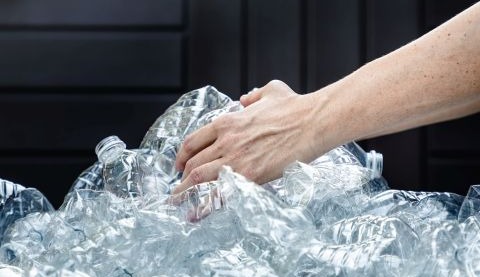
In the area of plastics recycling, Starlinger's PET bottle-to-bottle recycling technology has been approved for food-grade applications by a number of multi-national brand owners as well as national and international authorities such as the US FDA and EFSA in Europe.
"Together with our systems for post-consumer plastics recycling and refinement, plastics recyclers benefit from proven machine concepts that deliver best quality end-products which meet the highest market standards worldwide," he says.
Unveiling the latest innovations and solutions
All these features are epitomized by Starlinger's new PP*STAR® pinch bottom conversion technology, showcased for the first time at this year's CHINAPLAS.
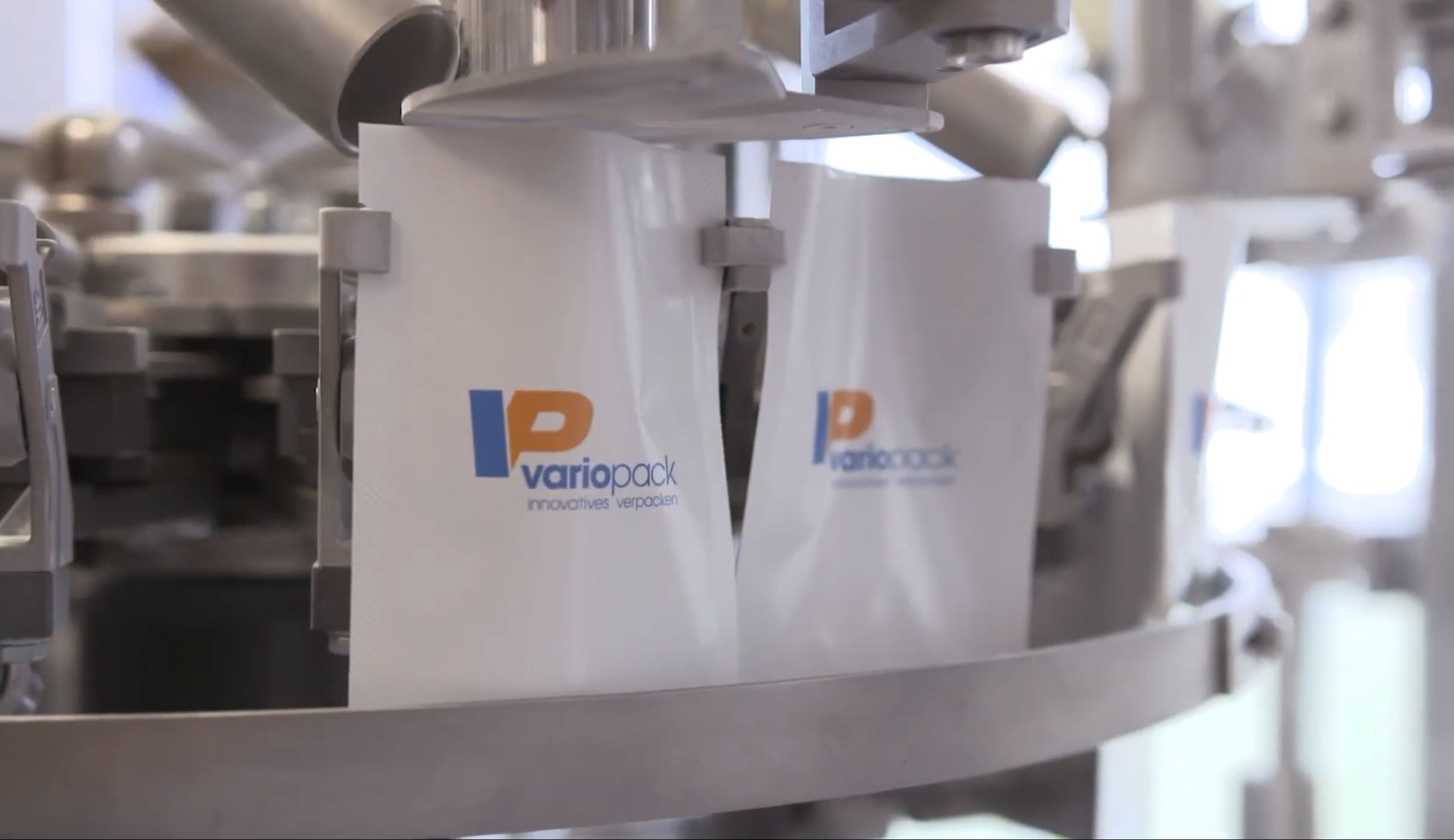
An attractive and sustainable dry bulk packaging solution, PP*STAR® pinch bottom bags are made of woven polypropylene tapes laminated with a reverse-printed BOPP film. They are a mono-material packaging and thus fully recyclable, and at the same time break-proof and lightweight.
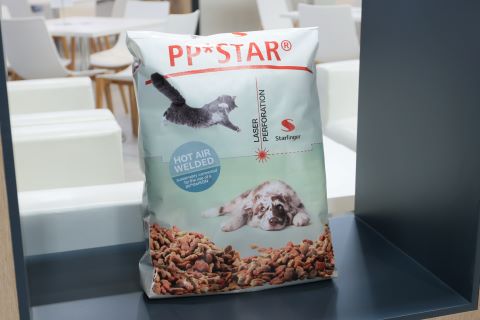
PP*STAR® pinch bottom bags.
Another highlight is the circular loom RX 6.1pro which will be in operation at the Starlinger stand during the exhibition. It produces top-quality tape fabric for lightweight sacks such as PP*STAR bags at production speeds of up to 920 picks per minute.
"As circularity of plastic packaging continues to be our main focus, we are promoting our technology solutions for closing the plastics loop – not just for woven plastic packaging, but also for many other types of plastics," he explains.
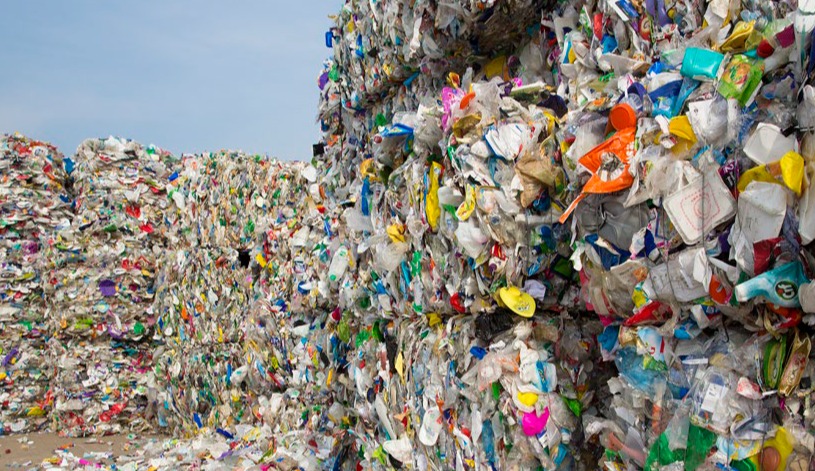
He adds that Starlinger tape extrusion lines, circular looms and other bag production equipment can process recycled PP and PET, and that Starlinger plastics recycling systems ensure that post-industrial and post-consumer plastics stay in the loop and do not end up in landfills or pollute the environment. For example, Starlinger PET sheet production lines produce sheets made of 100% rPET directly from washed bottle flakes or recycled pellets.
"Our innovative woven plastic packaging solutions enable packaging producers to enter new market segments and distinguish themselves from their competitors," he adds.
Booth: 2.1F51