












South Korean research team turns mixed plastic waste into high-purity hydrogen

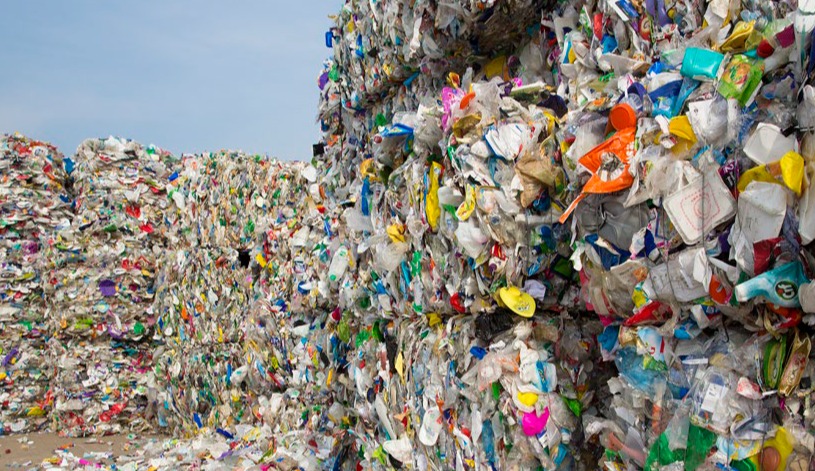
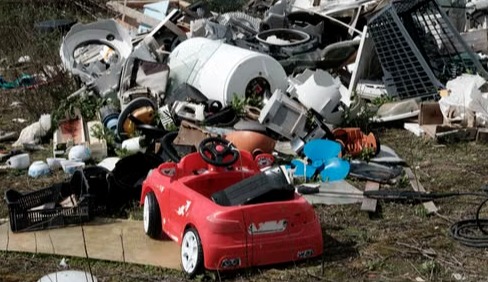
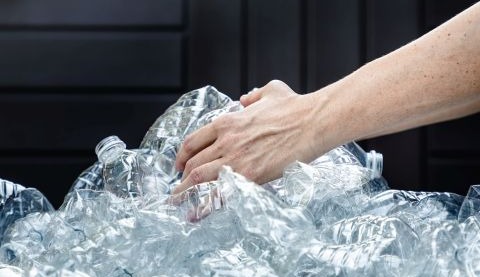
A research team at Ewha Womans University in South Korea has developed a new technology to convert mixed plastic waste into high-purity hydrogen, addressing both waste-plastic treatment and clean-energy production at the same time.
The findings were published on the Proceedings of the National Academy of Sciences (PNAS).
New “alkaline heat treatment” process
The new “alkaline heat treatment” process breaks down mixed plastic waste using alkaline substances such as sodium hydroxide and obtains hydrogen in the process. Sodium hydroxide, commonly called “caustic soda”, is a strongly alkaline substance that helps break the rigid chemical structure of plastics.
Gasification, an existing technology to convert mixed plastic waste into hydrogen, decomposes waste at very high temperature and pressures. This requires high energy consumption, stringent process conditions, and leads to significant carbon emissions.
The “alkaline heat treatment” process operates at lower temperatures and pressures than existing methods and can also cut carbon emissions.
Pretreatment step for more stable chemical structures
PE and PP have stable chemical structures and do not decompose easily. To address this, the research team added a thermal oxidation pretreatment step.
Before full processing, the plastics were oxidized to make them more reactive. The team then adjusted the thermal oxidation conditions and the ratio of sodium hydroxide to plastic to boost hydrogen production efficiency.
As a result, the research team confirmed that high-purity hydrogen can be produced not only from individual plastics but also from mixed waste plastics. The team noted that, unlike conventional gasification, there is no need to meticulously sort plastics one by one, enhancing practicality.