













Record-high visitors at CHINAPLAS: Plastics solutions for new racetracks

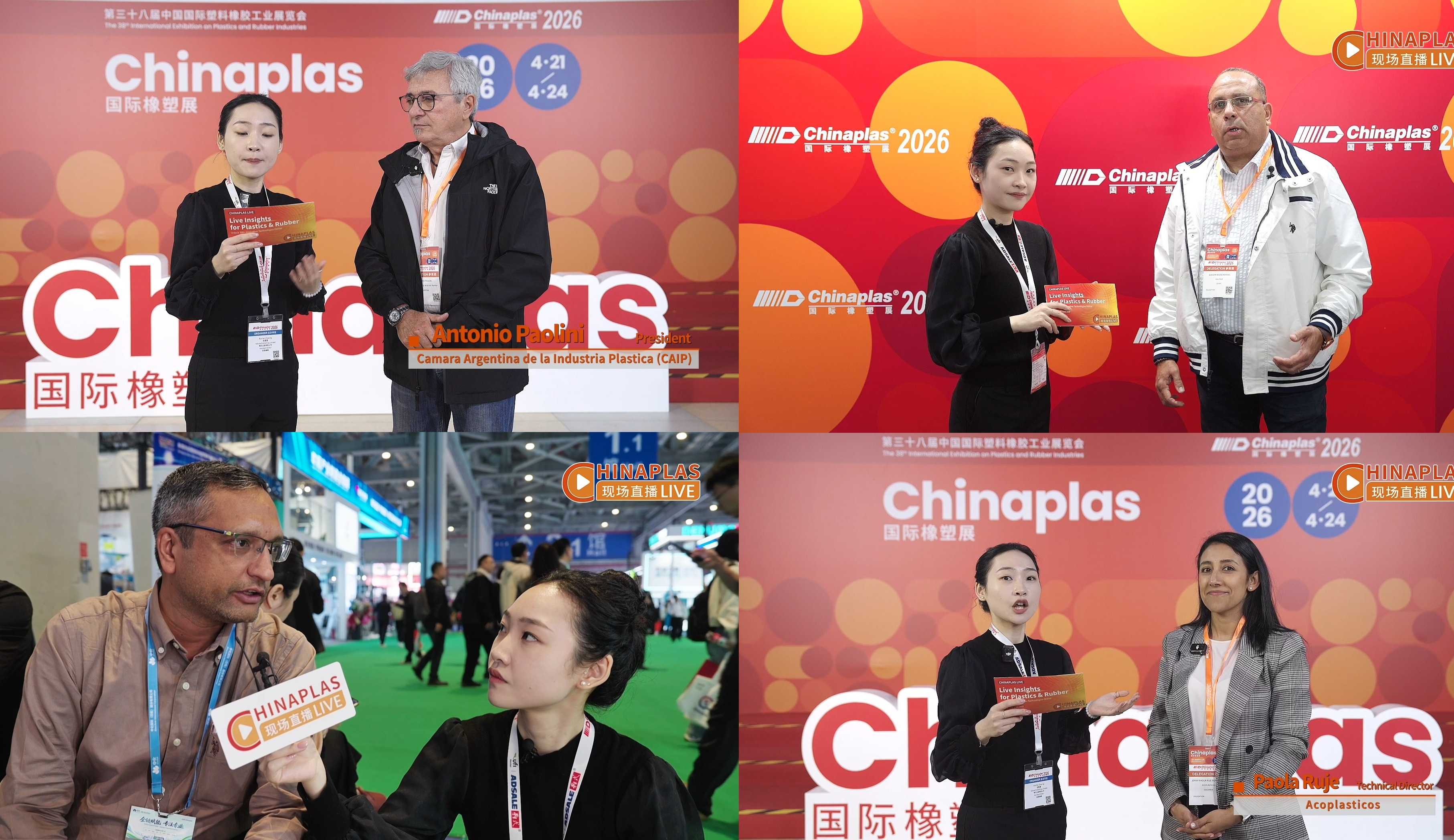
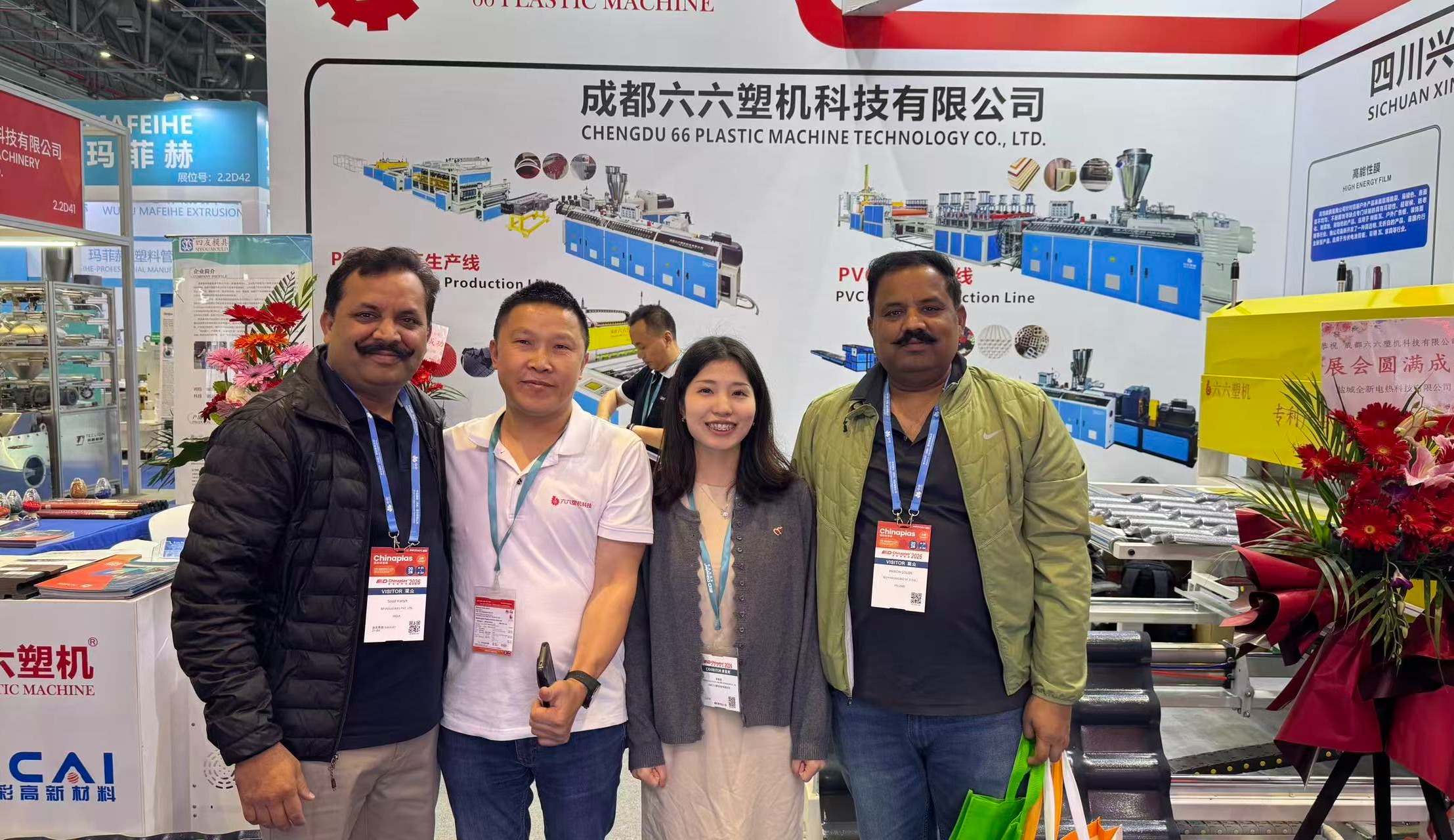
Large crowds of visitors continued to flood into the fairgrounds of CHINAPLAS. The number of visitors for the second show day is 125,448, which breaks the record for the daily number of visitors.
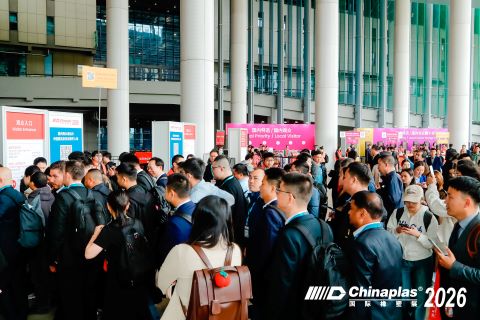
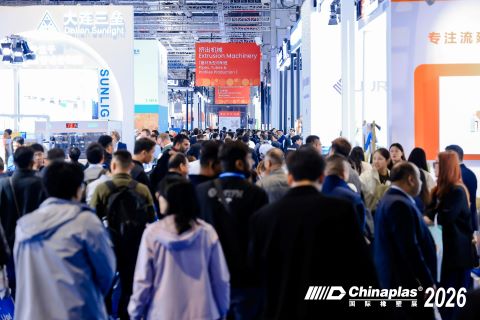
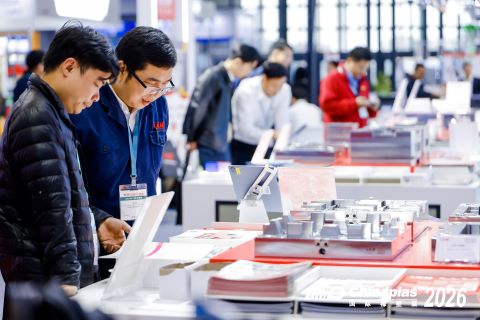
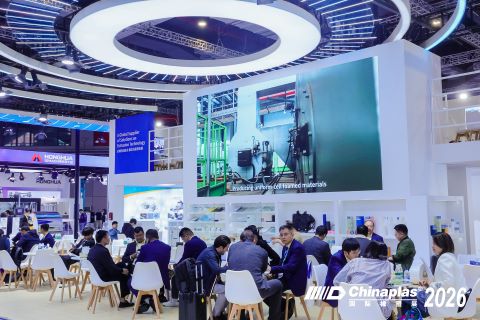
Large crowds of visitors continued to flood into the fairgrounds of CHINAPLAS.
As a prime global exhibition for the plastics and rubber industries, CHINAPLAS brings together innovative forces from around the world, establishing itself as a perfect platform for showcasing cutting-edge trends across a wide range of sectors.
This year, abundant exhibitors strategically target emerging high-growth areas, such as the low-altitude economy, humanoid robots, and renewable energy. They have introduced new plastic and rubber materials and advanced processing technologies tailored for these new "racetracks."
The showcase of these innovative solutions underscores the deep integration of the plastics and rubber industries with emerging sectors, providing essential support for technological breakthroughs and functional advancements.
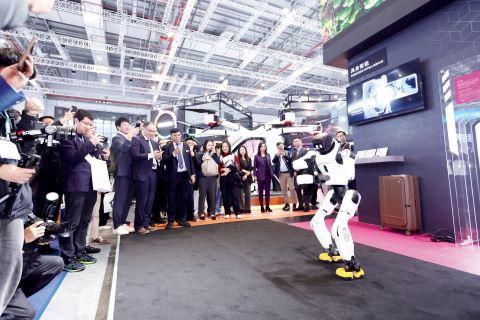
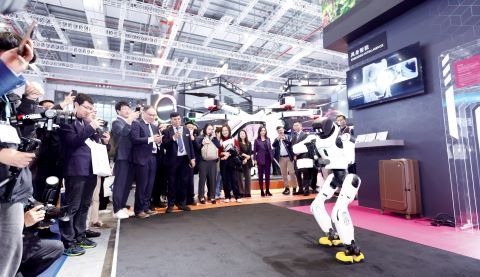
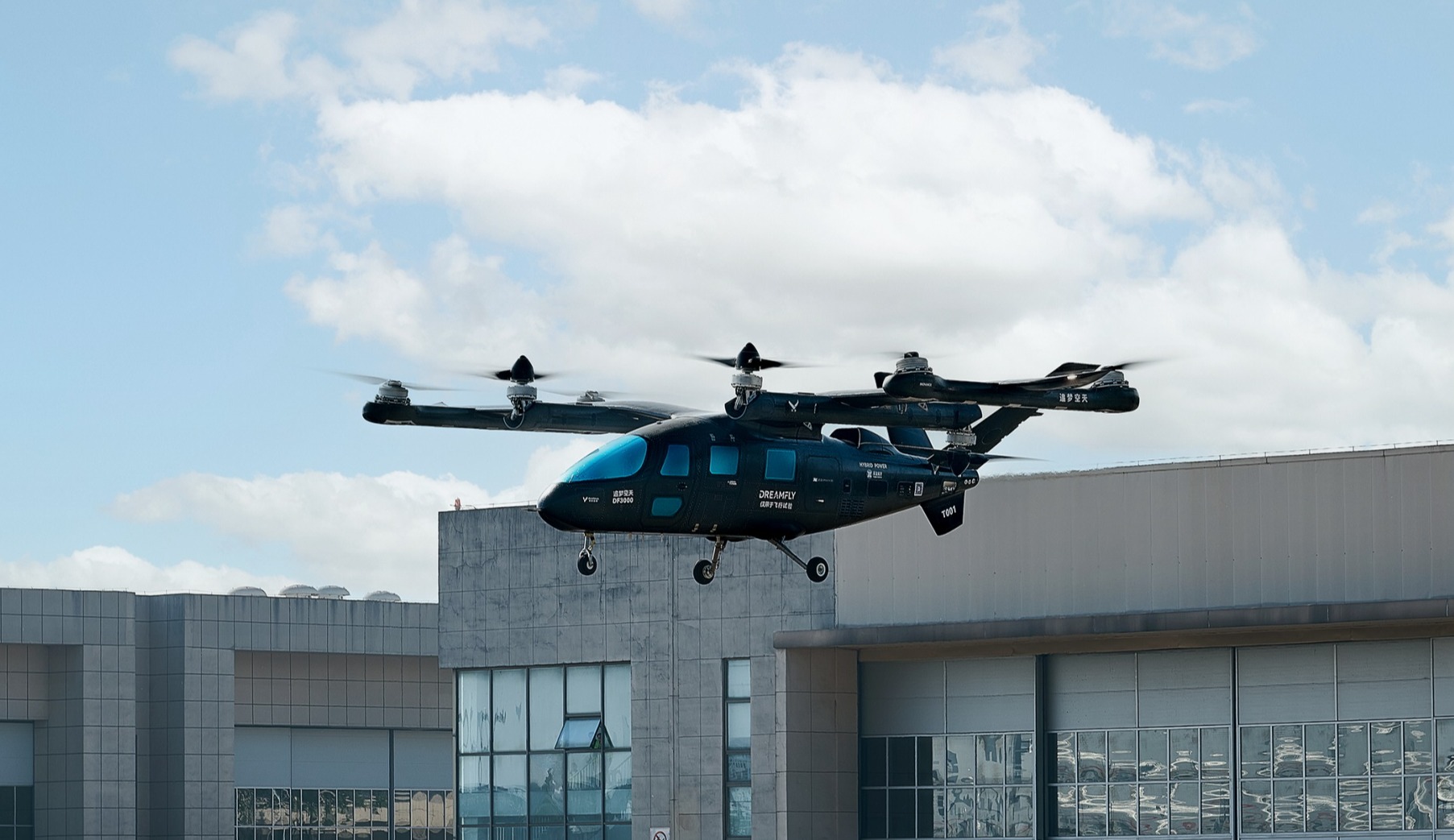
The advanced solutions for emerging sectors, such as humanoid robots and low-altitude economy, shine and draw crowds of visitors at CHINAPLAS 2026.
Supporting low-altitude aircrafts to “fly high”
Plastics and composite materials are emerging as essential strategic materials in the realm of low-altitude aircraft, thanks to their lightweight nature, high strength, excellent weather resistance, and superior fatigue and chemical resistance. These materials are extensively utilized in critical components, including load-bearing structures, internal parts, battery and thermal management systems, and various specialized components.
Among these materials, modified polyamide (PA), polycarbonate (PC), and polyether ether ketone (PEEK) thermoplastic composites are increasingly being employed in load-bearing and connecting components. Meanwhile, carbon fiber and fiberglass composites are mainly used in crucial structures such as wings, wing beams, and load-bearing skins, ensuring robustness while supporting the lightweight design and safety of aircraft.
At the exhibition, numerous exhibitors present their significant innovations in the low-altitude economy sector. Nanjing Julong Science & Technology (Booth: 7.2B30) has developed carbon fiber composites and PEEK specifically for use in drones. The company is capable of manufacturing products such as engine nacelles, outer shells, drone components, and base station equipment, offering integrated solutions for the low-altitude economy.
Orinko Advanced Plastics (Booth: 7.2C04) has launched long carbon chain nylon materials, mainly used in drone casings and key components.
Among them, LN6032GM26, a casing material developed for drone lightweighting, and LN6222CF30bk for carbon-fiber-reinforced propeller blades, reduce body weight while ensuring structural rigidity, helping to extend flight endurance.
Meanwhile, these materials deliver excellent anti-aging durability and stability, lowering manufacturing costs while meeting multiple demands including endurance, load capacity and environmental protection.
The high CTI polycarbonate from Covestro (Booth: 7.2C38) delivers reliable performance and safety in harsh electrical environments, ensuring the stable operation of electric vertical takeoff and landing (eVTOL) vehicles. Its excellent flame retardancy and thermal stability also make it well-suited for battery packaging applications.
As low-altitude aircraft prototypes transition to large-scale production, upgrading processing technology through automation is indispensable, alongside the use of high-performance materials. High-speed processing and forming techniques can significantly lower manufacturing costs and effectively shorten the time to market for these aircraft.
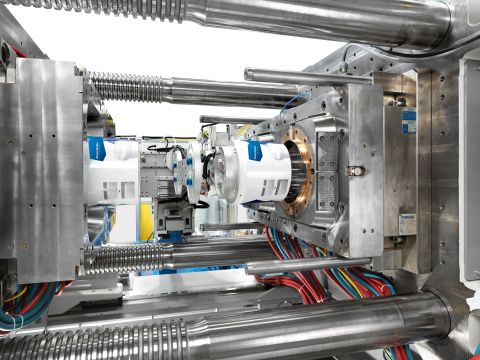
Haitian International (Booth: 5.1C32) has developed the Drone Propeller Injection Molding and Automated Integrated Solution, which combines injection molding and assembly for manufacturing drone propellers and propeller clamps. This solution features a high-speed injection process of 800mm/s, paired with an air-floating turntable.
Leveraging high-precision digital control and advanced dual-material compounding technologies, the solution ensures that products are lightweight, impact-resistant, and maintain highly stable dimensions. It boosts production efficiency by over 30% and reduces the production error rate by 5% to 8%. The dimensional deviation of the products is precisely controlled at ±0.05mm, significantly surpassing the ±0.2mm deviation standard of traditional processes.
KraussMaffei (Booth: 4.1D56) has introduced its FiberForm technology, which combines the thermocompression molding of continuous fiber organic sheets with secondary injection molding. This innovative process reduces manufacturing time from over 100 hours for traditional metal rib structures to just about 2 minutes, while still maintaining comparable structural strength and safety. Such advancement provides efficient support for the mass production of low-altitude aircraft.
To fully capitalize on the growth potential of the low-altitude economy, the plastics and rubber industries must engage in collaborative efforts to tackle key challenges, including technological innovation and infrastructure development.
Expanding the real-world application of humanoid robots
Humanoid robots are emerging as a highly promising sector, rapidly advancing toward large-scale applications that could lead to explosive growth. Thanks to their superior performance characteristics, plastics and composite materials are increasingly utilized in critical components such as robot chassis and sensing systems, paving the way for vast market opportunities as the sector evolves.
Currently, plastic materials have become integral to two core components of robots: sensing and movement. In sensing applications, flexible substrates for electronic skin heavily rely on various plastics, with polyimide (PI), polydimethylsiloxane (PDMS), and polyethylene terephthalate (PET) being the most commonly used.
For movement, specialty engineering plastics like PEEK and fiber-reinforced composites are widely employed in structural components like hands, effectively balancing lightweight design with structural strength.
Traditional robots often rely on aluminum and titanium alloys for their bodies, which significantly increases manufacturing costs. Consequently, manufacturers are increasingly turning to reinforced composite materials, which provide weight reduction without compromising structural integrity.
For instance, integrating PEEK with a carbon fiber composite framework can lower body weight by over 30% while enhancing endurance by approximately 40% under load conditions. This combination also allows for stable operation in extreme temperatures, ranging from -30°C to 120°C, making the robots suitable for diverse applications.
Chinese material companies are making substantial advances in the humanoid robot sector. Guangzhou Lushan New Materials (Booth: 6.2A38) has introduced an electrostatic dual-mode electronic skin that boasts high sensitivity and a wide operational range, conforming well to complex surfaces. The company has also developed flexible display and touch integration materials designed for robot faces and joints, significantly enhancing the robots' perception capabilities.
Wankai New Materials (Booth: 7.2A96) has achieved key breakthroughs with its lightweight polyester structural materials and precision injection molding technology. The company will supply lightweight components for humanoid robot arms and provide assembly services, thereby extending its PET business into higher-value-added applications.
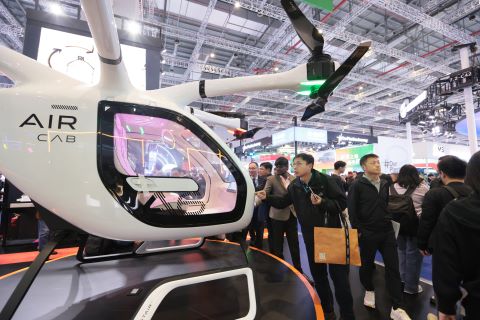
Plastics and composite materials are becoming essential in the applications of low-altitude economy.
Advancing quality upgrades in the new energy sector
In the new energy sector, the growth of electric vehicles (EVs) remains robust, with battery safety becoming one of the industry's primary concerns. To meet the fire-retardant requirements for EV batteries, manufacturers need solutions that effectively tackle thermal runaway and fire challenges.
SABIC (Booth: 6.2C42) offers flame-retardant polypropylene (PP) modified materials that, when exposed to flames, develop a protective expanding char layer. This provides dual protection for battery pack covers against both physical and thermal risks. When compared to traditional metal solutions, this material can achieve up to a 40% weight reduction, extending vehicle range while lowering costs.
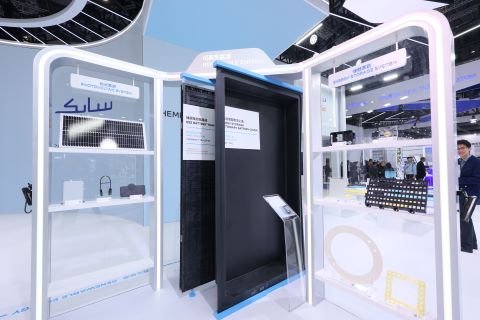
SABIC's materials enhance both fire retardancy and weight reduction for renewable energy.
In addition to battery materials, improving the efficiency of battery separator production has become a major focus for the industry. Brückner (Booth: 2.1G54) has introduced a new high-efficiency battery separator production line capable of producing over 500 million square meters annually. This line is specifically designed for manufacturing films with high mechanical performance, meeting the scalability and quality requirements of the new energy vehicle sector.
In the photovoltaic sector, technological innovations and cost control continue to create a positive outlook for long-term demand. The polyolefin elastomer (POE) of Wanhua Chemical (Booth 7.2C42) stands out as a pivotal product in this field. The photovoltaic encapsulation films made from the POE feature high water vapor barrier rates, excellent weather resistance, outstanding transparency, and strong performance against potential induced degradation (PID). These attributes effectively enhance the power generation efficiency and operational reliability of photovoltaic modules while significantly extending their lifespan.
At CHINAPLAS 2026, exhibitors addressed the growing demands of emerging sectors through technological innovation, fostering industry integration with a variety of solutions. As plastics and rubber technologies continue to evolve, they will enhance the high-quality development of these sectors for the road ahead.