














Recycling production waste from diaper manufacturing

At the SKZ Plastics Center, a founding team at LaMa Recycling is carrying out an innovative research project to recycle previously unusable production waste from diaper manufacturing.
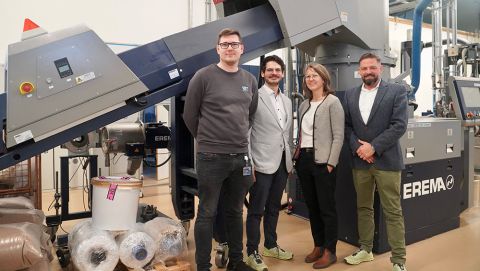
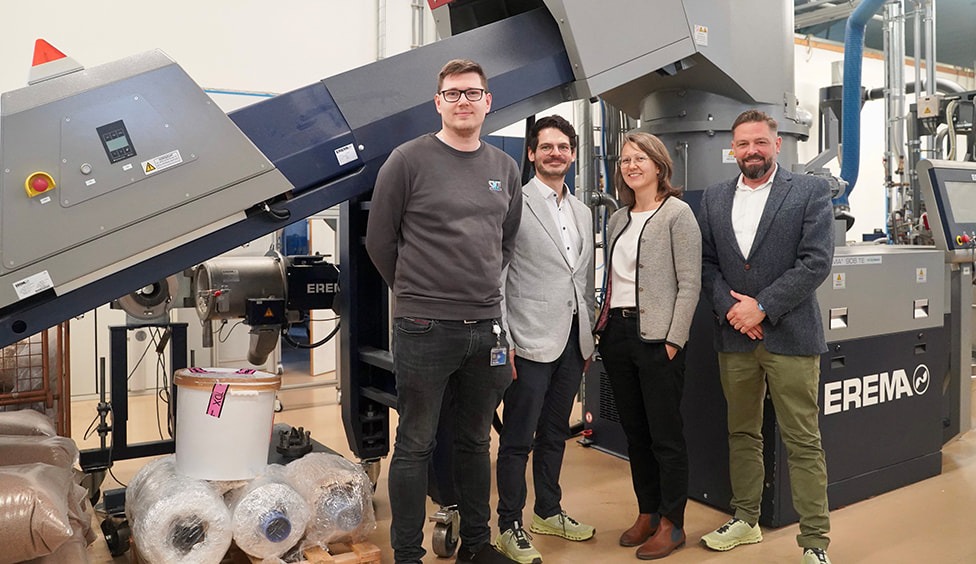
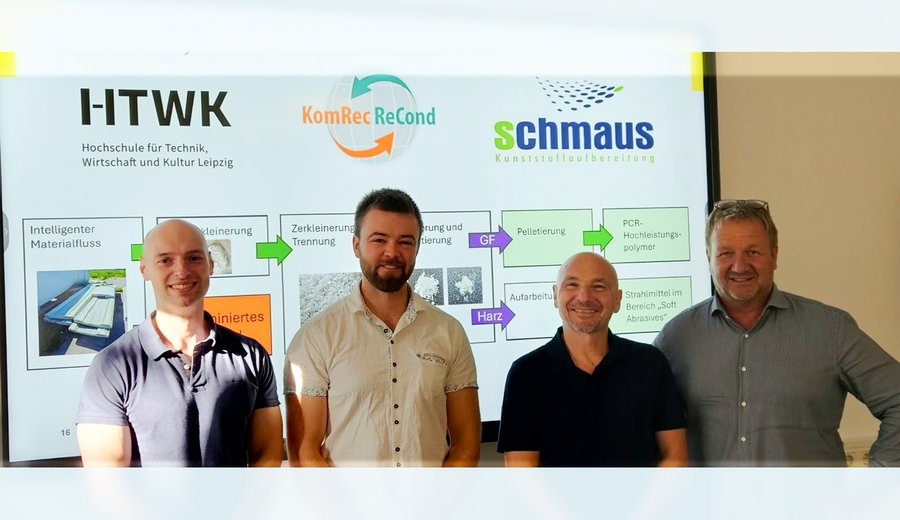
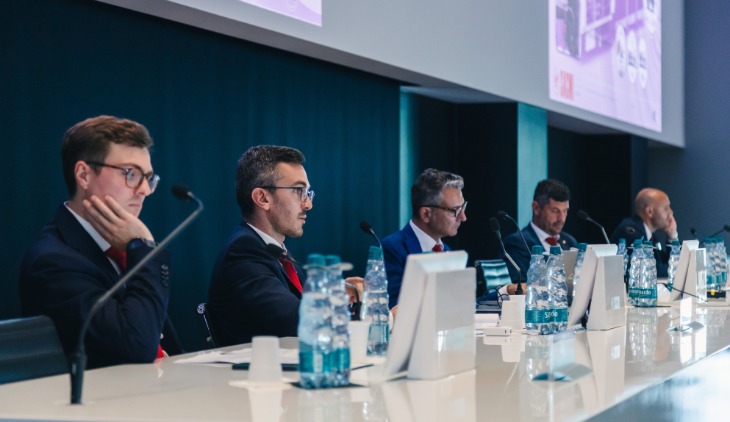
The LaMa Recycling project team.
The goal of the research project is to develop an industrially viable process that returns previously non-recyclable production residues back into the raw material cycle. Instead of being incinerated, cellulose, plastics, and superabsorbents can be separated, processed, and returned to the raw material cycle.
“Around six billion diapers for children and adults are produced in Germany each year. About three percent of these, roughly 15,000 tons, are production waste that has previously been entirely incinerated,” explained Dr. Marieluise Lang. “This results in the loss of valuable raw materials, while at the same time, thermal recycling significantly impacts the carbon footprint.”
A major obstacle to the recycling of diaper production waste is so-called superabsorbents—highly absorbent polymers that enable diapers to absorb liquids. Their chemical properties have made recycling them costly or economically unviable until now.
Since September 2025, the interdisciplinary team at LaMa Recycling Technologies has been working at full strength. In the current project phase, the work focuses on the technical scaling of the process.
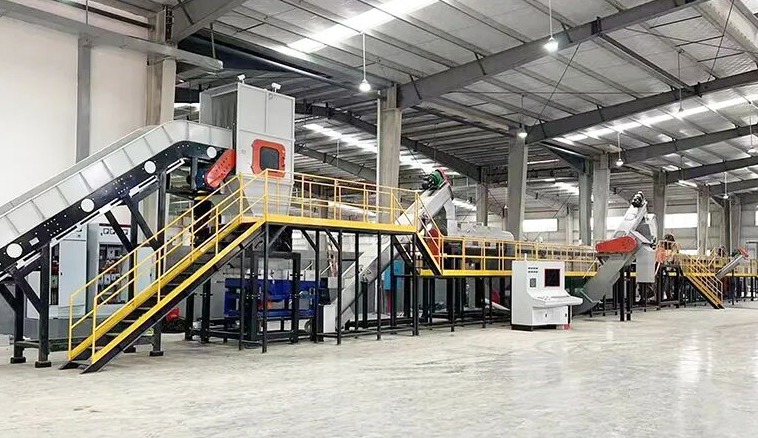
The goal is to establish a stable and scalable recycling process with a processing capacity of at least 500 kilograms per hour by the end of the project—an important step toward the industrial application of the technology.