








Kurtz Ersa: Returning to the Core of Foam Molding Machines

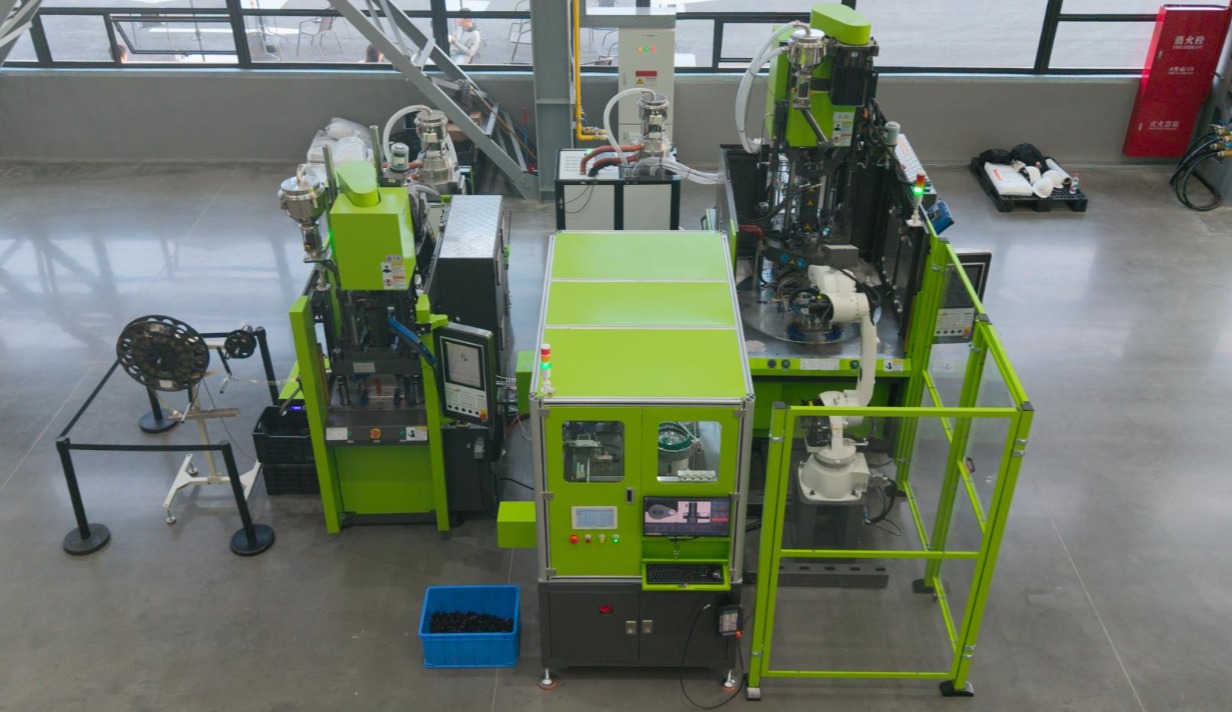
Kurtz Ersa, with almost 250 years of industry heritage, is presenting at CHINAPLAS 2026. As a major global event for the plastics industry, the exhibition brings together experts and customers from across the rubber and plastics sector. Taking this opportunity, we revisit the fundamentals of the foam molding industry.
The plastics industry today faces an increasingly complex environment shaped by geopolitical factors and structural transitions. Against this backdrop, foam molding companies need to return to fundamentals, focusing on two key priorities: cost reduction with efficiency gains, and stable product quality. Small and medium-sized enterprises, in particular, face challenges such as complex processes, low efficiency, and inconsistent quality. The key to addressing these issues lies in going back to basics and focusing on core elements.
Based on on-site discussions at the exhibition and years of industry experience, we believe the core development logic for foam molding companies centers on three pillars: stability, efficiency, and ease of operation. Stability is the baseline of production—equipment consistency and precise, controllable process parameters are essential to ensuring uniform product quality and reducing waste. Efficiency directly impacts production costs and capacity utilization, while ease of operation lowers implementation barriers. These three elements form the foundation for sustainable production and provide critical support during periods of industry adjustment.
Returning to fundamentals also means clearly aligning equipment with production needs. This involves adapting to different production scenarios, meeting diverse downstream requirements, optimizing energy consumption, and simplifying operational processes to further reduce costs and improve performance. At the same time, ensuring process compatibility so that every production step aligns with actual needs is both a fundamental principle of industry development and a key factor for companies to move forward steadily during times of transition.
Interview with Kurtz Ersa:
https://www.adsalecprj.com/en/live_project/project_live/152/1115.html