













OCEANZYME project explores new enzymatic recycling solutions for marine litter

To provide an effective alternative for recycling marine waste, OCEANZYME project is investigating new enzymatic recycling solutions for marine litter.
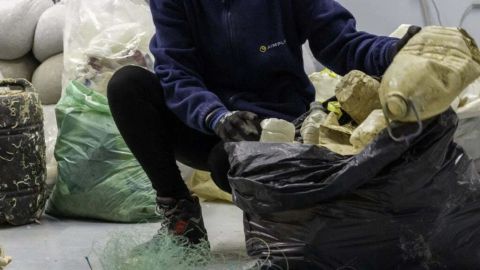
A new OCEANZYME project is exploring how new enzymatic recycling solutions for marine litter.
The initiative, which will run from 2026 to 2028, is being carried out by a consortium comprising the Plastics Technology Centre AIMPLAS, the Institute of Marine Sciences, and the Institute of Advanced Chemistry of Catalonia of the CSIC and is coordinated by the Vertidos Cero Association.
The project started at the end of January 2026 and is being developed in collaboration with the Biodiversity Foundation of the Spanish Ministry for Ecological Transition and Demographic Challenge through the Pleamar Programme. It is also co-funded by the European Union through EMFAF (European Maritime, Fisheries and Aquaculture Fund).
The project brings together the expertise of all participating organizations in waste removal protocols, marine microorganism studies, molecular simulations and plastic recycling.
An integrated approach to tackle marine litter
OCEANZYME adopts an integrated approach combining metagenomic analyses, enzymatic characterisation and molecular simulations, together with the isolation of bacteria with functional degradation capabilities.
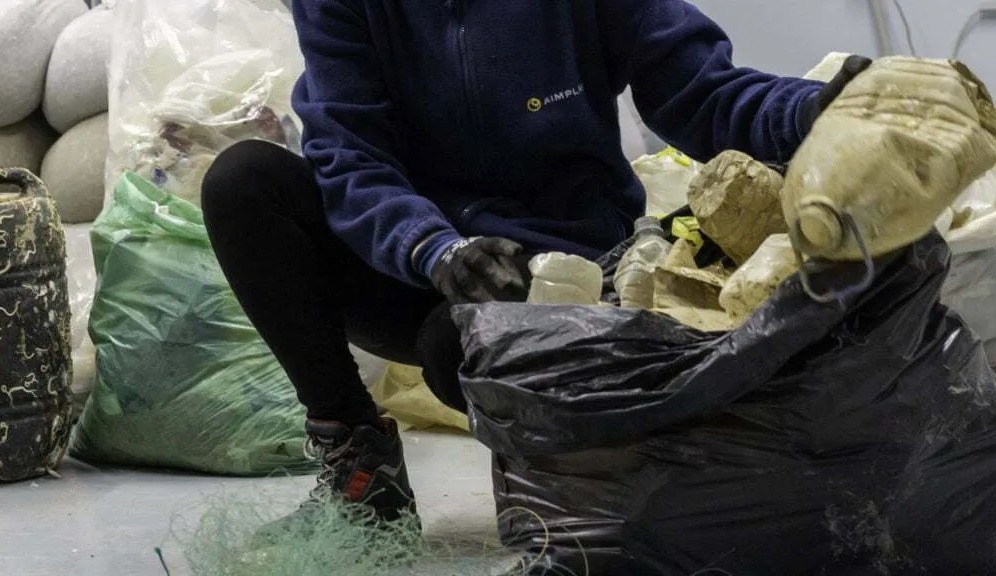
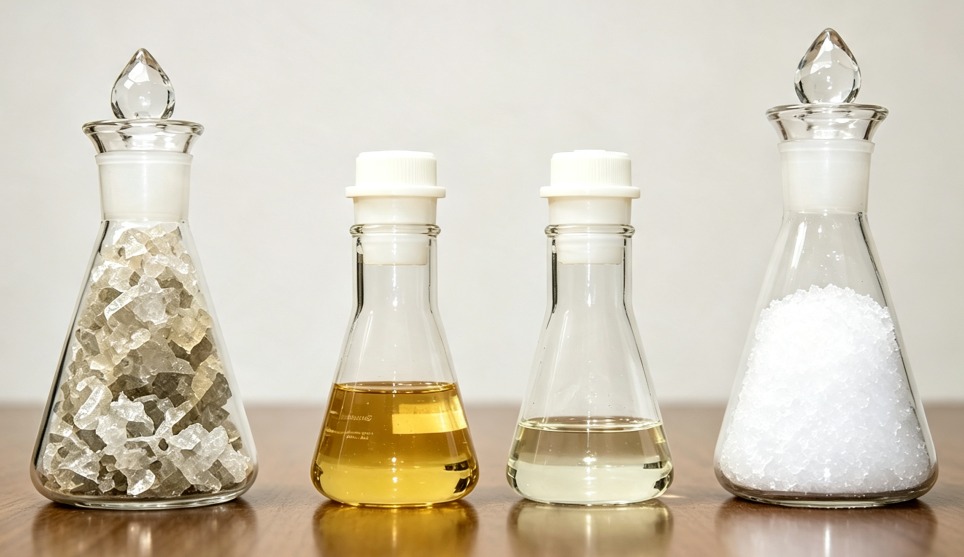
The aim is to valorize marine litter collected by fishers through enzymatic recycling and to explore the application of the resulting products in sectors such as fisheries and aquaculture.
Passive fishing campaign to collect marine litter
To this end, passive fishing campaigns will be carried out in two of Spain’s five marine regions, the North Atlantic and the Levantine-Balearic regions, in order to remove marine litter.
The plastic waste collected will be characterized to analyses its associated microbial communities through metagenomics. At the same time, pure culture isolations of bacteria with the potential to degrade different plastic compounds will be carried out.
In addition, enzymes with degradation potential will be identified, modelled in 3D together with the plastic substrates, produced and tested to validate their possible use in enzymatic recycling applications.
OCEANZYME promotes the circular economy, the protection of the marine environment and technology transfer through a strong communication and dissemination strategy.