









Evonik and Japanese partners launch polyurethane recycling initiative in Japan

Evonik has partnered with Toyotsu Chemiplas Corporation and Sanyo Chemical Industries, Ltd. to develop a recycling model for polyurethane foam in Japan for Japan.
The partners aim to convert discarded foam into recycled polyols and amines for use in new polyurethane products. The partners will also evaluate the process, with the aim of commercializing the recycling model in Japan.
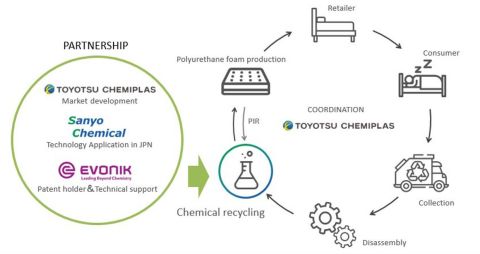
Proposed recycling model for polyurethane foam in Japan.
The initiative also forms part of Evonik’s wider efforts to scale polyurethane recycling through collaboration across the value chain.
Challenge in recycling polyurethane foam
Polyurethane foam is widely used in everyday products, including automotive seats, mattresses, and furniture. However, used foam is frequently incinerated or sent to landfill, while conventional mechanical recycling generally restricts its use to lower-value applications.
Chemical recycling offers the potential to recover important raw materials, such as polyols and amines, and thereby help close the loop in flexible polyurethane foam production.
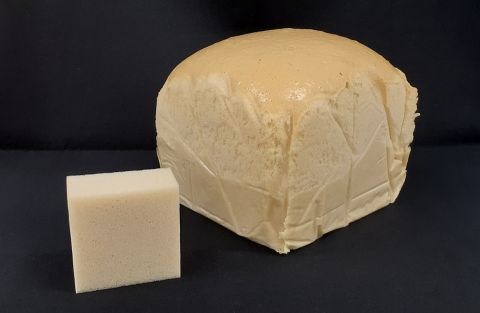
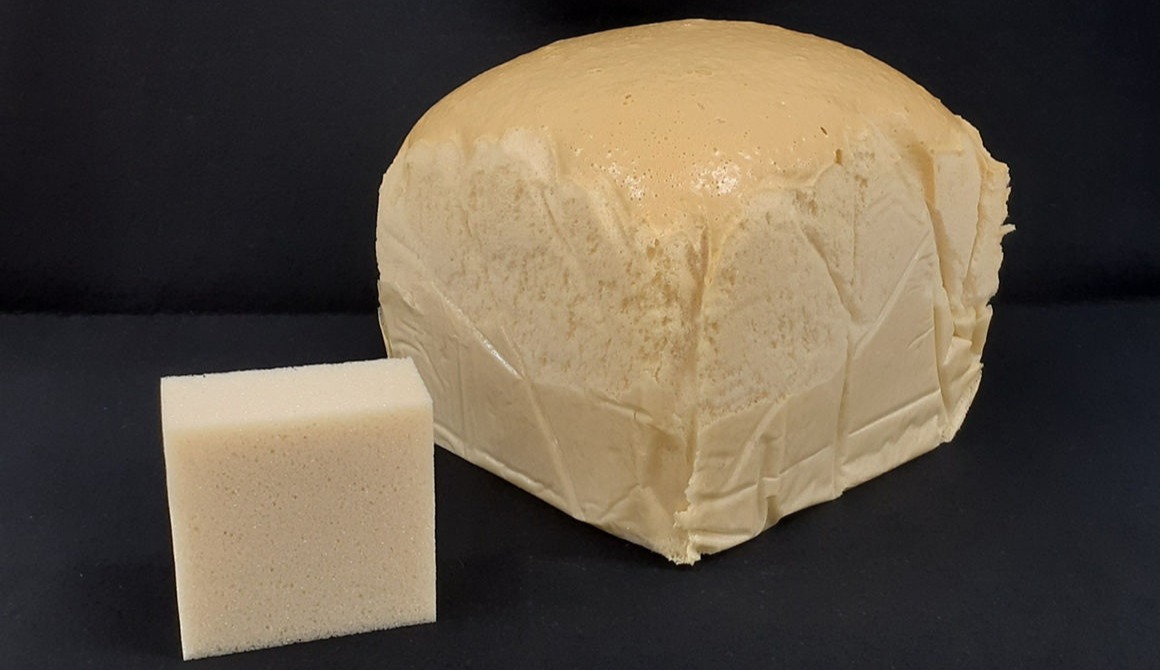
Polyurethane foam made with 100% recycled polyol using Evonik’s chemical recycling process.
Collaboration in collection, logistics, and chemical recycling
The partners plan to develop a system for collecting both post-consumer polyurethane foam and post-industrial scrap. The collected material will be chemically recycled into high-purity polyols and amines, intended for reuse as raw materials in the manufacture of new polyurethane products.
Within the partnership, Toyotsu Chemiplas will coordinate the initiative and contribute its collection network and logistics expertise. Sanyo Chemical will provide its expertise in polyol development and process technology, while Evonik will contribute its proprietary hydrolysis-based chemical recycling process and technical expertise.
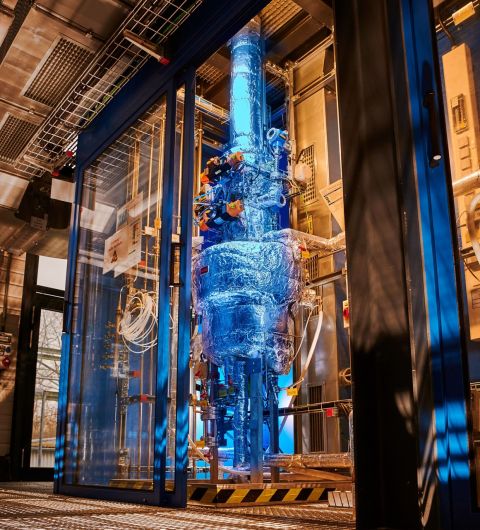
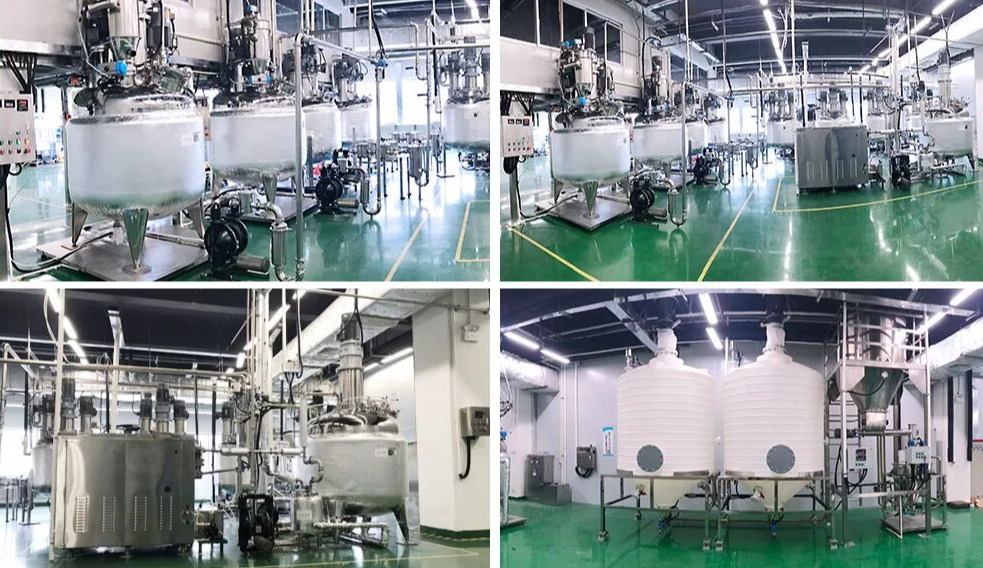
Evonik’s pilot plant for PU recycling in Hanau, Germany.
Evonik’s hydrolysis-based chemical recycling process is designed to produce recycled polyols with high purity and consistent quality. The process is a drop-in solution for polyurethane foam manufacturers, and can significantly reduce carbon footprint compared to virgin materials. New polyurethane foam has already been successfully produced using 100% recycled polyol derived from the process.
Evaluation for scale up in the future
The three companies will jointly evaluate the entire process, from collection and sorting to the production of recycled polyols and the manufacture of new polyurethane products.
This work will include quality assessments and further updates to Evonik’s existing life cycle assessment to reflect the proposed value chain in Japan. The objective is to commercialize the technology and establish a scalable recycling model for polyurethane foam in Japan.