




In-mold coating taking automotive component manufacturing to “new plain”

Polyurethane (PUR) in-mold coating (IMC) has been increasingly adopted in new automotive projects recently. Li Auto has completed mass-production validation for ultra-large exterior components, while Geely has launched new large-size exterior trim programs.
Equipment suppliers including KraussMaffei, Haitian International, Yizumi, and ENGEL continue to expand their presence in polyurethane IMC, while material suppliers such as Wanhua Chemical, Covestro and SABIC are also accelerating related application development.
This momentum is no coincidence. As new energy vehicle (NEV) designs continue to evolve toward greater integration, larger component sizes and more personalized styling, conventional coating processes are facing mounting pressures in terms of cost, efficiency and environmental compliance. Automakers are actively seeking new manufacturing solutions, and polyurethane IMC is emerging as a technology well aligned with this industry shift.
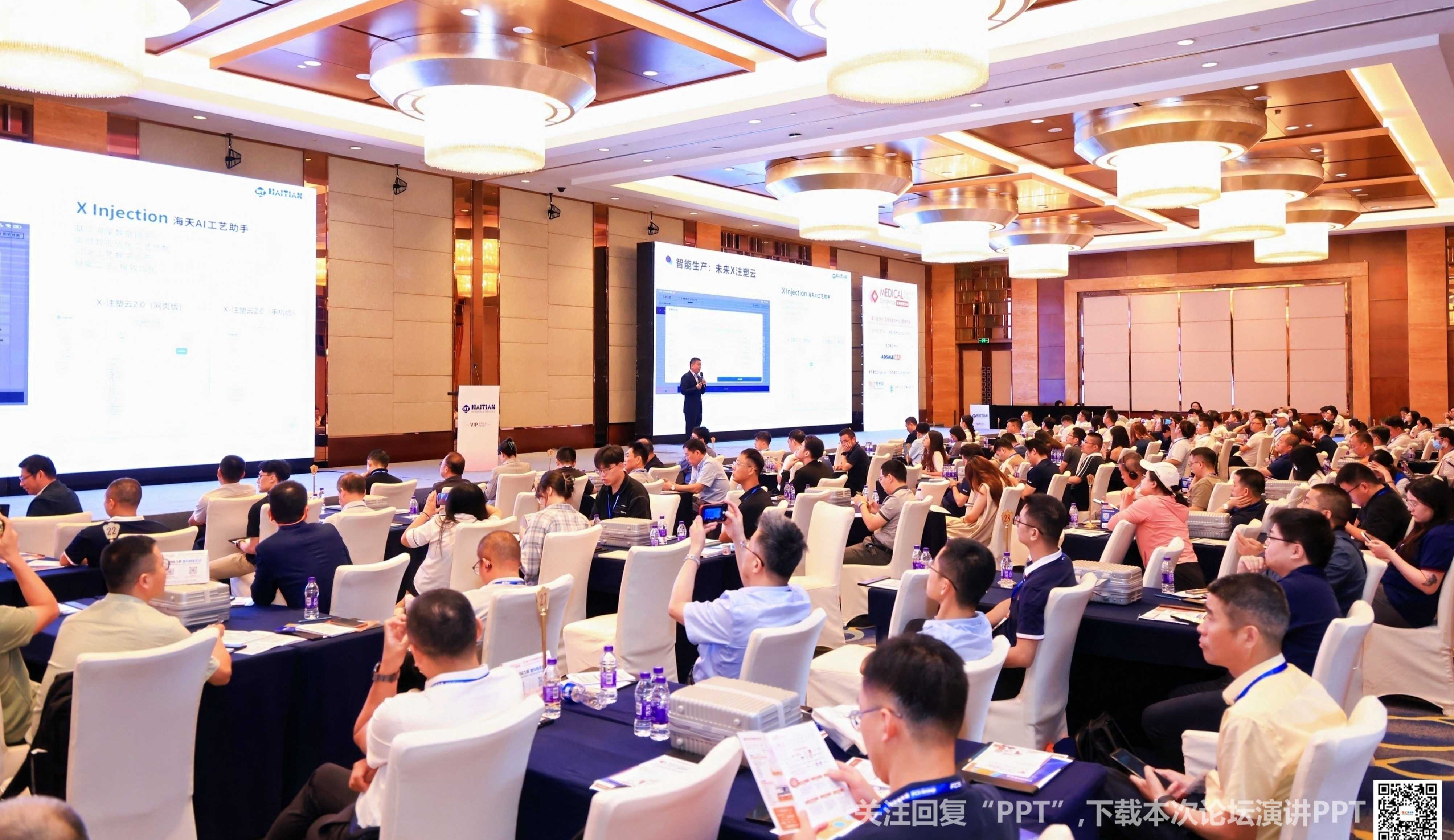
[Register for Webinar] HAITIAN: PUR In-Mold Coating for the Automotive Industry: The Future of Coating & Painting Molded Components
What are the benefits of in-mold coating?
Polyurethane IMC is a manufacturing process that integrates molding and surface coating within the mold cavity. After the plastic substrate is injection molded, a PUR system is introduced into the mold, where it reacts and cures to form a coating layer on the part surface. Upon mold opening, the finished component emerges with its final surface finish.
This process integrates conventional coating operations into the molding cycle, eliminating the need for separate coating lines.
The technology is primarily applied to automotive plastic exterior components, including bumpers, grilles, decorative trims and other parts with complex geometries.
Compared with conventional processes, IMC technology offers several benefits:
‧ It streamlines production workflows and eliminates dedicated coating lines, cutting floor space and equipment investment.
‧ It improves surface quality by addressing common coating defects such as sagging and color variation.
‧ It reduces the consumption of coatings and organic solvents, easing subsequent environmental treatment requirements.
In essence, the technology addresses the automotive component industry's demand for improving efficiency, enhancing product aesthetics, and reducing carbon emissions.
Nevertheless, to fully realize the advantages of IMC in mass production, targeted optimization is required across machine architecture, PUR delivery systems and dedicated material formulations. This has driven the emergence of multiple technical approaches.
KraussMaffei: Validation of large-size exterior applications
KraussMaffei, together with partners including Li Auto, Changchun FAWAY Tong Yang Automobile Plastic Components, and Zhejiang Wanlong Mould Co. Ltd., successfully achieved the production of China’s first large-size ColorForm in-mold coated exterior component at its Jiaxing manufacturing base.
The newly produced exterior part achieved multiple industry breakthroughs, marking the expansion of ColorForm in-mold coating technology from interior components and small exterior parts to large-size and complex-structure exterior applications. The key foundation behind this breakthrough is KraussMaffei’s 3,200-ton ColorForm injection system.
The project addressed several long-standing application challenges of ColorForm technology. It not only expanded the applicable substrate range to PP materials, but also improved coating uniformity and interlayer adhesion on complex geometries.
The process capability was extended from small parts measuring 0.5 m x 0.5 m to ultra-large exterior components, while overcoming sealing challenges for parts with deep stepped features and internal parting lines.
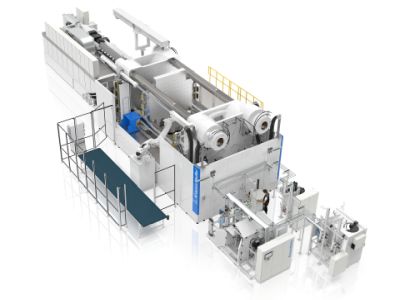
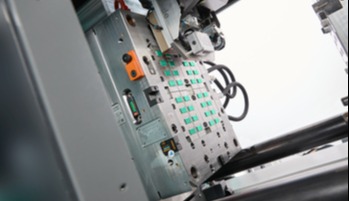
Coating in the mold with ColorForm system from KraussMaffei.
ENGEL: High surface quality and functional integration
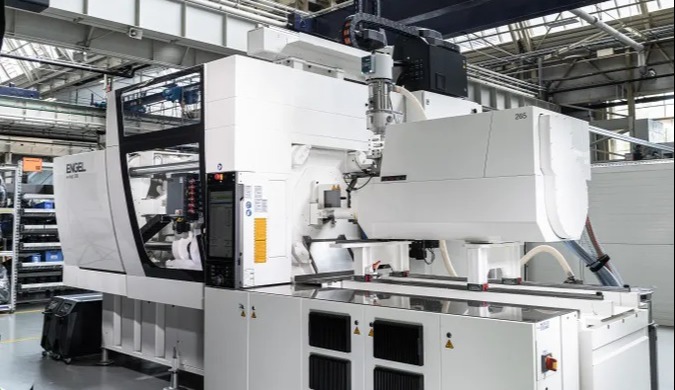
ENGEL’s clearmelt technology is also designed for applying a PUR coating layer onto plastic components inside the mold, replacing conventional painting or coating processes. Recently, ENGEL has further upgraded this technology.
The new design eliminates the standard injection unit on the side of the fixed platen and replaces it with a PUR unit. The thermoplastic component is injected from the moving side of the machine, while the PUR mixing head is arranged on the fixed platen. This configuration brings the PUR technology closer to the mold, shortening PUR feed lines while making the overall system more compact, easier to operate, faster for changeovers and more cost-efficient.
The upgraded solution delivers several advantages:
‧ Significantly shortened PUR supply line length;
‧ Up to 25% reduction in required footprint, generating substantial cost savings;
‧ Enhanced system flexibility;
‧ Reduced investment in installation, operation and maintenance for processors.
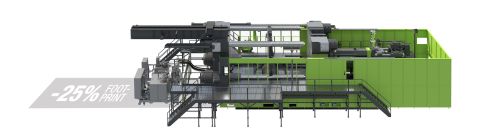
ENGEL’s new system concept for clearmelt technology requires around 25% less floor space.
Haitian and Hennecke: Integrated injection molding and PUR system
To address the challenges of conventional “injection + post-molding coating” processes, including high investments, high emissions, and unstable yield rates, Haitian and Hennecke have joined forces to combine injection molding equipment expertise with core technologies in PUR high-pressure mixing and precision metering.
Together, they have achieved full-process system integration and overcome challenges to mass production of large-size automotive exterior components.
Successful implementation of the complete process requires coordinated integration among injection molding machines, reaction injection molding (RIM), molds, raw materials and automation solutions.
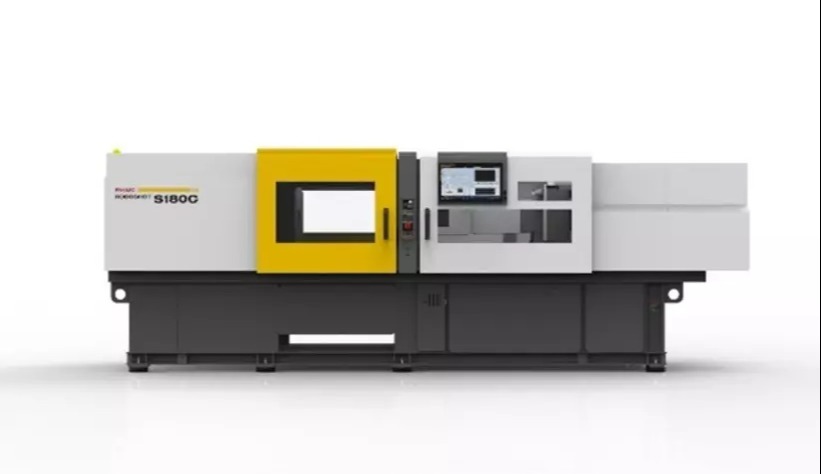
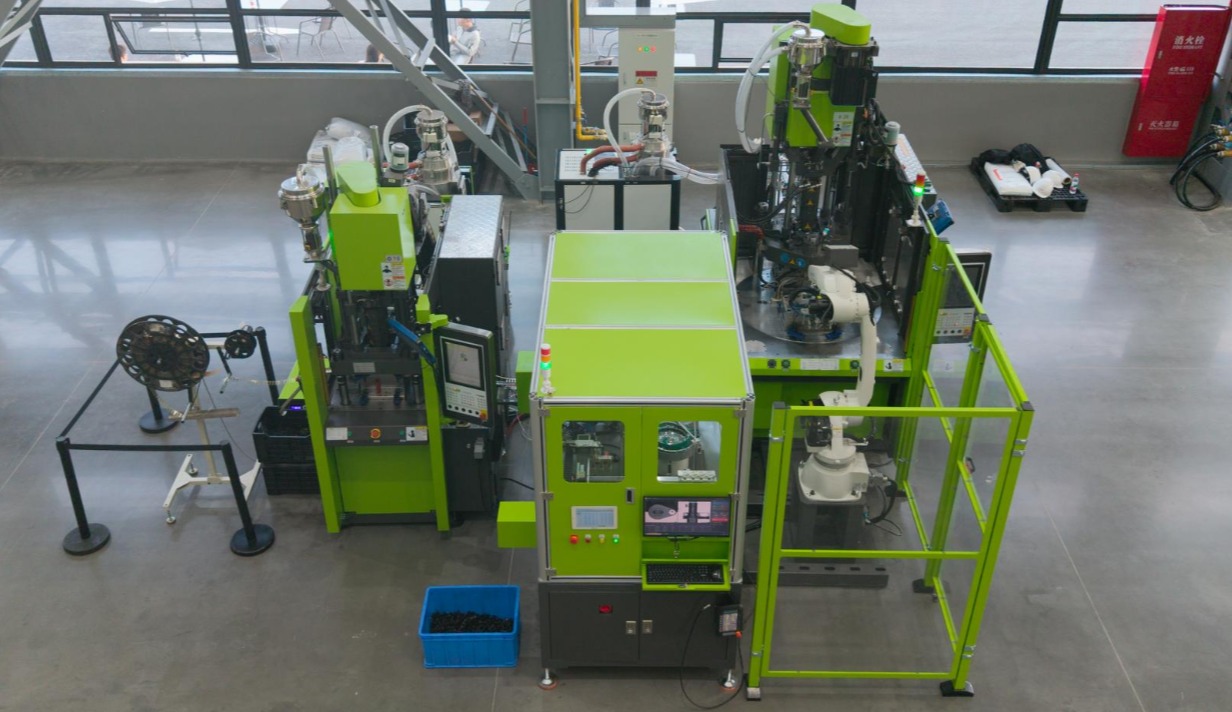
Haitian’s JU7500M/2400 dedicated in-mold coating solution for automotive grilles has been specifically optimized for front grille applications, improving production efficiency while reducing investment in standalone coating lines and environmental treatment equipment.
Hennecke has provided comprehensive support covering the whole process, including raw material feeding, precise metering, high-pressure impingement mixing, atomized spraying, temperature control, and automated production line integration. These technologies ensure the consistency of PUR-coated parts, material utilization efficiency, environmental performance, and production line stability.
The two companies have addressed the challenges of large-size exterior components production, meeting the demands of NEVs for personalized styling and low-carbon manufacturing.
Yizumi and Wanhua Chemical: Collaboration between localized equipment and materials
Over the past two years, Yizumi and Wanhua Chemical have established deep collaboration across multiple projects, jointly presenting customers with integrated process solutions.
Yizumi has introduced the ReactPro technology, focusing on equipment integration for in-mold reaction molding processes.
Meanwhile, Wanhua Chemical has developed the Surface-form Pro material system, with targeted optimization in scratch resistance, weatherability and surface appearance stability.
The partnership focuses on the co-development of equipment and materials. The two companies are shortening process industrialization cycles and improving the compatibility of local supply chains.
This collaborative model primarily targets large-scale applications of automotive exterior components in the Chinese market.
Covestro: Direct Coating based on PC system
Covestro’s Direct Coating technology integrates injection molding and coating within the same production cycle, eliminating the need for subsequent baking processes.
The chemical company’s Makrolon IMC2477 polycarbonate material has been specifically developed and optimized for IMC processes, delivering excellent adhesion performance with PUR coatings.
Due to equipment variations, conventional coating processes typically achieve coating utilization rates of only 40%-65%, while IMC can exceed 95%. IMC also enables zero VOC emissions through 100% solids formulations and significantly reduces scrap rates. Although material costs would be higher, it offers clear advantages in overall production costs.
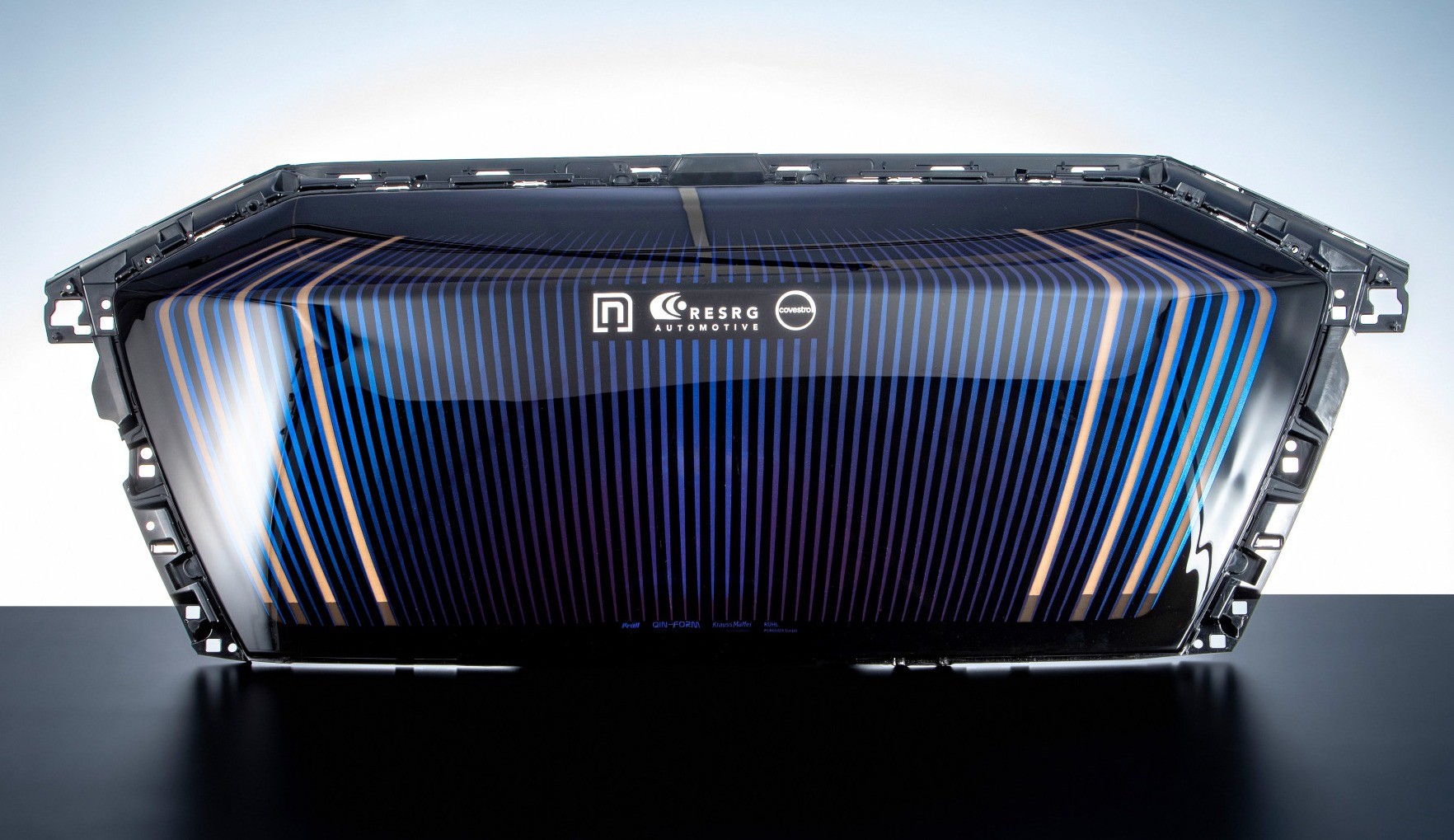
This system has already been applied in selected automotive exterior and functional components, including illuminated grilles, smart exterior components and parts featuring integrated functional display structures.
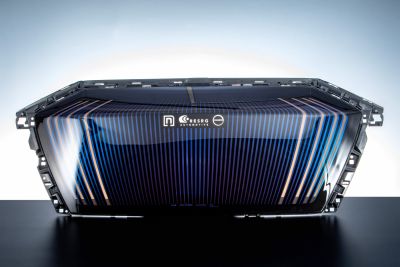
Covestro’s Direct Coating is a modified 2-shot molding process combining injection molding with reaction injection molding in a single mold.
SABIC: Customized material solutions for IMC program
Geely, together with SABIC and Minth Group, recently held a strategic project meeting for an IMC program at the Geely Automobile Research Institute.
The project marks the successful validation of large-size exterior component manufactured using advanced IMC technology, with mass production scheduled to begin soon.
Reshaping the manufacturing landscape
While the traditional “injection + post-molding painting” model has been the industry standard for years, it increasingly struggles to meet the stringent demands of NEVs for carbon reduction, cost optimization, and quality improvement.
The ongoing exploration and adoption of IMC technology is reshaping manufacturing approaches for automotive plastic exterior components. By deeply integrating material formulations, equipment engineering, mold designs, and coating processes, IMC establishes a fully integrated manufacturing system.
Notably, this front-end process integration, backed by full-chain collaboration, is expected to expand beyond the automotive sector and find widespread application in other industries, such as home appliances and consumer electronics.
Click "HERE" to read the Plastics Sourcing Guide (Book B, 2026)